
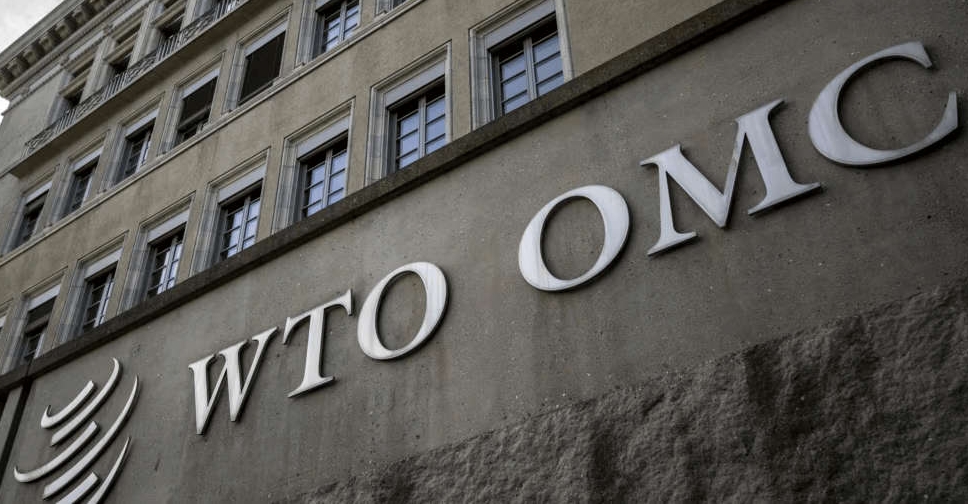
WTO pushes forward pioneering digital trade rules amid resistance
On Saturday, members of the World Trade Organization (WTO) reached a significant agreement to bypass traditional adoption obstacles for the inaugural set of baseline rules governing digital trade. This move enables the agreement to be implemented among participating nations willing to commit, signaling a pivotal moment in global trade policy.
The Breakthrough in Digital Trade Regulations
The consensus among WTO members marks a historic step forward in establishing a framework for digital commerce. Traditionally, reaching a universal agreement requires extensive negotiation and consensus around multiple issues. However, the recent decision allows nations that are ready to adopt these digital trade rules to do so without waiting for full consensus among all members. This pragmatic approach aims to facilitate smoother trade flows and promote innovation in the digital marketplace.
Benefits of the New Framework
Implementing these baseline digital trade rules offers numerous advantages. For one, it creates a more predictable and transparent environment for businesses operating online, which is crucial in a fast-evolving digital economy. Additionally, the rules are designed to reduce trade barriers such as data localization requirements and unjustified restrictions on cross-border data flows. As businesses increasingly rely on digital platforms for operations and transactions, this new framework will empower them to engage globally with more confidence.
Moreover, smaller businesses and startups, which often struggle to overcome barriers in international trade, stand to benefit significantly. The new digital trade rules are intended to level the playing field, providing opportunities for smaller entities to participate competitively in the global market without facing overwhelming regulatory challenges.
Next Steps for Implementation
Looking ahead, the WTO will focus on the implementation of these rules among the countries that choose to adopt them. The organization plans to conduct comprehensive outreach efforts to encourage more countries to join in embracing the new framework. Participation in such agreements can catalyze economic growth and enhance international cooperation on digital issues.
Additionally, countries that have adopted the baseline rules may begin sharing their experiences and best practices. This collaborative approach can lead to further enhancements and refinements of the rules over time, ultimately contributing to a more robust global digital trade environment.
Conclusion: Shaping the Future of International Trade
In conclusion, the recent agreement among WTO members to facilitate baseline digital trade rules is a groundbreaking development. It represents a proactive approach to international trade regulation, acknowledging the realities of today’s digital economy. By allowing participating nations to implement these rules independently, the WTO is setting the stage for a more integrated and efficient global marketplace. As digital trade continues to expand and evolve, the ripple effects from these foundational rules will likely resonate throughout the global economy for years to come.