
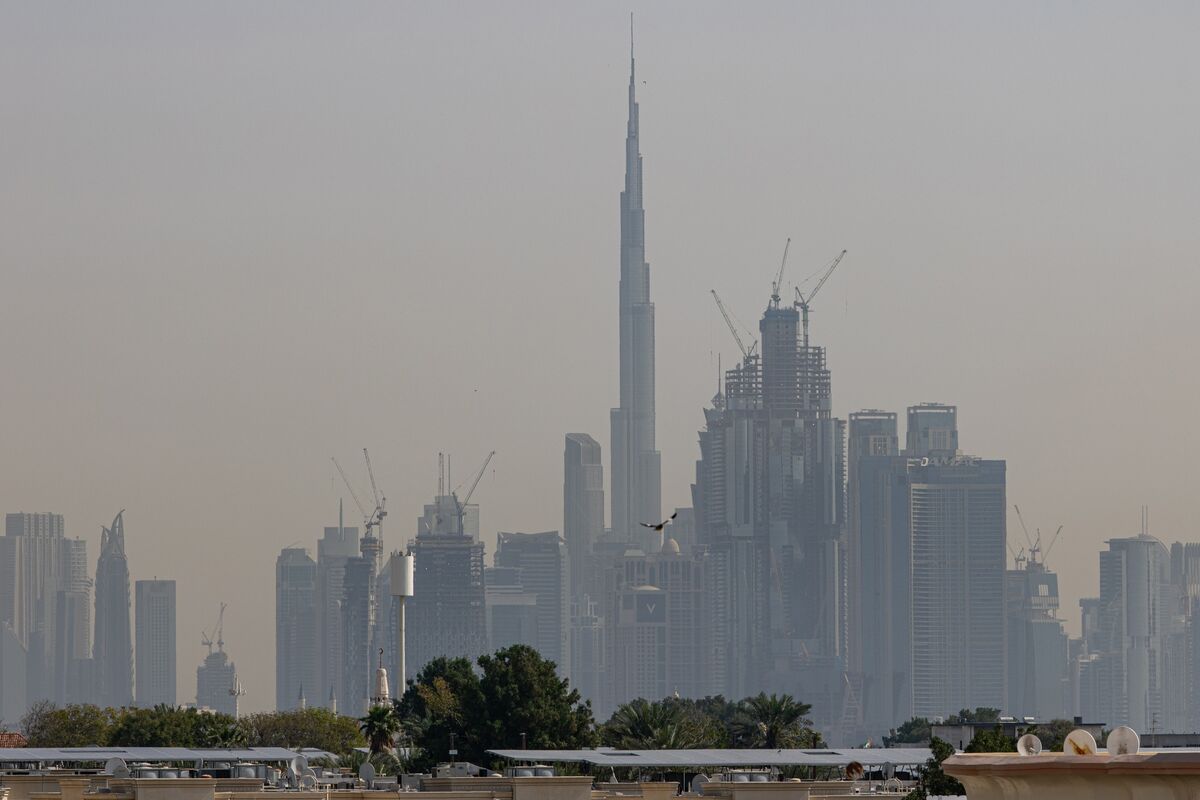
Wealthy Asians Compare Singapore and Hong Kong in Dubai
The ongoing conflict involving Iran has sparked discussions about the attractiveness of the wealth hub. Economic ramifications and geopolitical tensions come into play, prompting investors and businesses to reassess their positions and strategies in this complex environment.
The Economic Impact of the Iran Conflict
As the war in Iran unfolds, its effects on the local and global economies are becoming increasingly evident. Investors are worried about instability in the region, which could lead to fluctuations in oil prices and supply chains. Iran is a significant player in the oil market, and disruptions could trigger a surge in prices, affecting not only regional economies but also global markets. Companies that rely heavily on oil imports might face increased costs, leading to a cascading effect across various sectors.
Furthermore, the conflict has the potential to disrupt foreign investments. As uncertainty looms, businesses may hesitate to enter or expand in the Iranian market. This caution stems from a fear of long-term repercussions, including sanctions and geopolitical backlash. Many financial institutions are also tightening their lending criteria due to increased risk, posing additional challenges to economic growth within and around Iran.
Shifting Investment Strategies
In light of the current situation, investors are reevaluating their strategies. Traditional wealth hubs are being reassessed as businesses look for safer alternatives. Financial markets are experiencing volatility, with many organizations opting to diversify their portfolios to minimize risk. This shift highlights the need for a more proactive and adaptable investment approach.
Additionally, the rising interest in alternative markets illustrates a willingness among investors to explore regions that may offer more stability and growth potential despite the turmoil. Emerging markets in Asia and Africa could become attractive destinations for businesses seeking to mitigate exposure to the chaos surrounding Iran.
The Future of Wealth Hubs
The ongoing conflict may alter the landscape of wealth hubs worldwide. As the allure of traditional financial centers diminishes, new opportunities may arise in unexpected locales. Investors are likely to prioritize political stability and transparent governance when deciding where to allocate their resources. Cities that can provide a secure environment will attract greater attention from businesses looking to thrive even amidst global uncertainty.
Ultimately, the long-term implications of the Iran conflict could redefine the dynamics of wealth management and investment strategies. As traditional powerhouses face challenges, innovative strategies and new markets may gain prominence. It remains to be seen how current events will shape the future, but adaptability and foresight will be crucial for investors and businesses alike.
In conclusion, the war in Iran is stirring discussions about economic stability and investment avenues. The potential for disruption poses challenges, but with those challenges come opportunities for diversification and strategic realignment. The landscape of wealth hubs is likely to evolve, making it essential for stakeholders to stay informed and agile in an ever-changing global environment.