
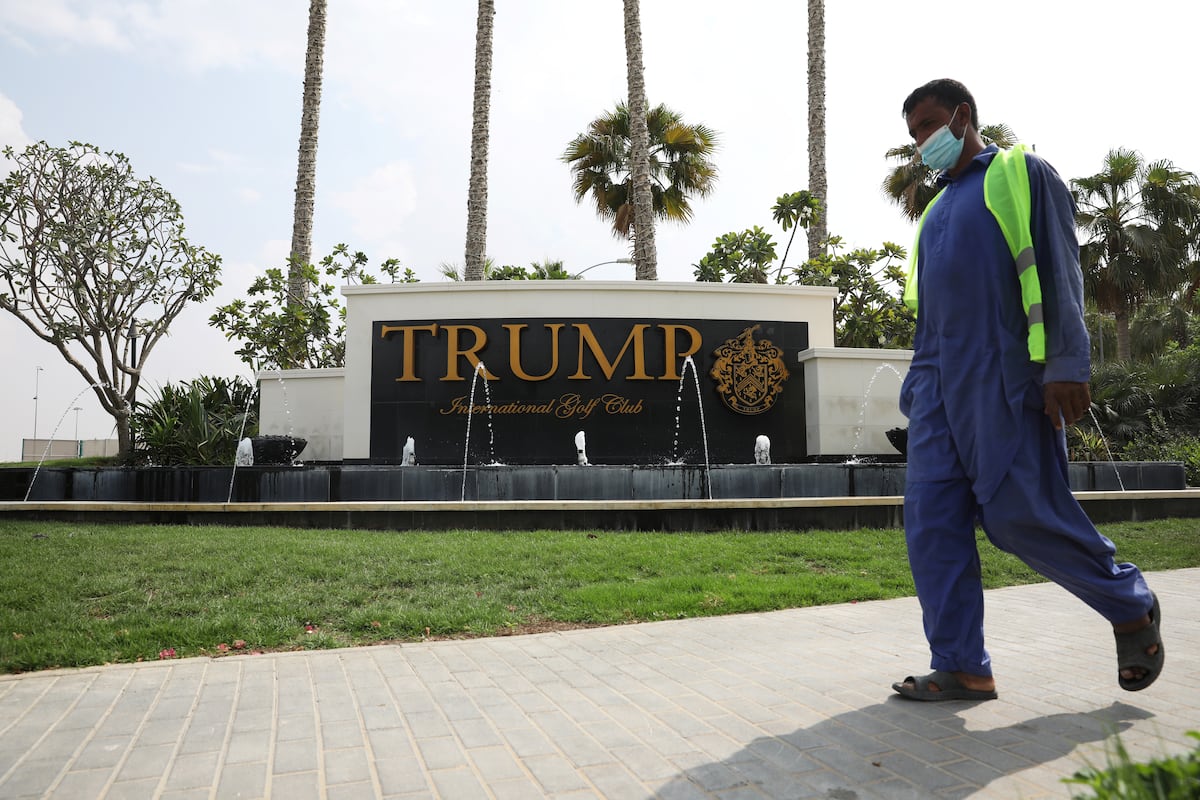
The Persian Gulf: A Prosperous Venture for Trump’s Family
The current administration has rekindled strong ties with various Middle Eastern entities and officials, marking a significant shift in diplomatic and economic relations since the Republican returned to the presidency. This renewed engagement with the region highlights the intricate nature of international partnerships and the strategies employed to foster collaboration.
Strengthening Diplomatic Relations
One of the most notable aspects of the administration’s foreign policy is its commitment to strengthening diplomatic relationships with Middle Eastern nations. By actively engaging with regional leaders and stakeholders, the administration aims to create a stable environment conducive to trade and mutual benefits. Continued dialogue and collaboration signify a united approach to addressing common challenges, such as security threats and economic stability. This re-engagement has been well-received in many areas, suggesting a positive trajectory for U.S. interests abroad.
Economic Opportunities in the Middle East
As part of this renewed focus, the administration is actively exploring economic partnerships to leverage market potentials in the Middle East. These endeavors aim to create job opportunities, boost trade, and stimulate economic growth for both American and Middle Eastern enterprises. The emphasis on mutually beneficial agreements highlights the administration’s forward-thinking strategy to enhance economic ties. Investing in growth sectors such as technology, energy, and infrastructure can lead to sustainable prosperity for all parties involved.
The Role of Family Influence
The president’s family plays a significant role in the overall engagement with regional partners. Their involvement in various business initiatives and philanthropic projects has facilitated smoother interactions with local entities. This unique dynamic exemplifies the intricate ties between personal connections and political interests. By fostering relationships that extend beyond traditional diplomacy, the administration is positioned to navigate complex negotiations and foster trust among key stakeholders.
Future Prospects for U.S.-Middle East Relations
Looking forward, the prospects for U.S.-Middle East relations remain promising, provided the administration maintains its focus on collaboration and mutual understanding. Emphasizing shared goals and interests can help pave the way for lasting partnerships that benefit both the United States and Middle Eastern nations. By prioritizing diplomatic engagement and economic cooperation, the administration sets the stage for a robust and dynamic relationship that can adapt to evolving global challenges.
In conclusion, the renewed emphasis on building relationships in the Middle East underscores a strategic approach to foreign policy. The administration’s focus on engagement, economic opportunities, and family connections enriches the fabric of international relations, creating a foundation for future prosperity and security. As these ties continue to develop, they hold the potential to reshape the landscape of U.S. foreign policy in ways that align with current global demands.