
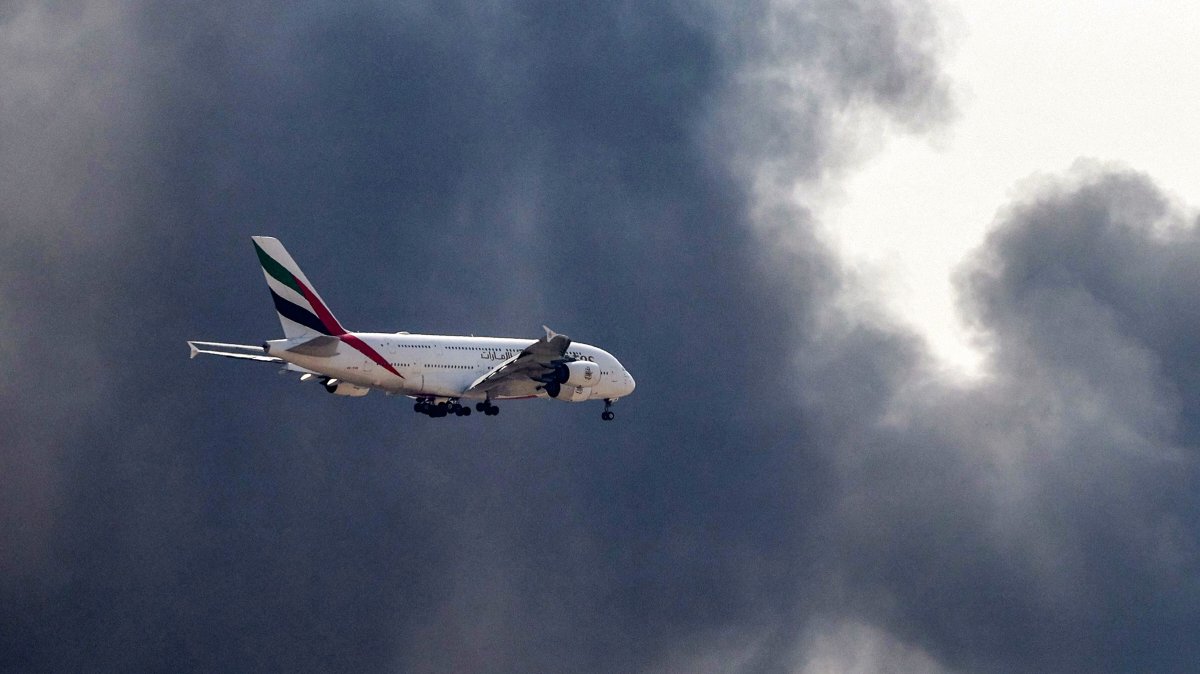
Strikes harm Emirates, Saudia planes at Dubai airport
On March 22, 2026, a notable incident occurred at Dubai International Airport when two civilian aircraft sustained damage during assailants associated with Iran. This event highlights ongoing geopolitical tensions and raises concerns about aviation safety in volatile regions.
Overview of the Incident
An Emirates Airbus A380 and a Saudia Airbus A321 were among the aircraft affected. The attack has sparked widespread debates regarding the vulnerability of commercial air travel to international conflicts. As travelers increasingly rely on global air travel, incidents like these underscore the need for enhanced security measures.
Impact on Aviation Security
In the aftermath of the attack, aviation security protocols are likely to come under scrutiny. Airport authorities may need to bolster existing safeguards to ensure passenger safety and protect aircraft from similar threats. Enhanced surveillance technology, heightened screening processes, and increased cooperation with international security agencies could all be pivotal in fortifying air travel safety. The incident may serve as a wake-up call for the aviation industry, prompting stakeholders to reassess risk management strategies.
Potential Ramifications for Airlines
The repercussions of this attack may extend beyond immediate safety concerns. Airlines might face heightened insurance premiums, as risks associated with operating in conflict-prone areas elevate. Furthermore, public perception could shift, with travelers becoming more cautious about flying through regions perceived as risky. Such changes may influence flight routes, scheduling, and overall demand, prompting airlines to adapt their strategies accordingly.
Geopolitical Context
The attack at Dubai International Airport is not an isolated event but part of a broader geopolitical landscape. Ongoing tensions between Iran and various nations have heightened the risk of spillover effects into sectors like aviation. Observers argue that increased instability in the region could lead to more frequent incidents impacting global air travel. Understanding the intricacies of these geopolitical dynamics is essential for stakeholders in the aviation sector, as they devise strategies to navigate potential challenges.
As the aviation industry responds to this recent incident, ongoing evaluations of security measures and international cooperation will be critical in establishing a safer travel environment. The focus must remain on fostering resilience in the face of emerging threats, ensuring that air travel continues to remain a reliable mode of transportation for individuals around the world.