
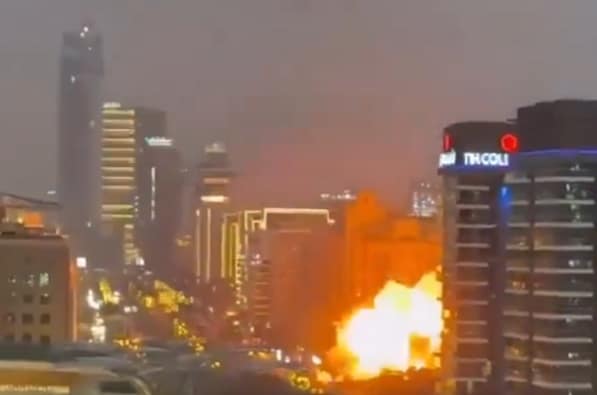
Missile Warning in Dubai: UAE Thwarts Major Iranian Assault
Overview of the Rising Tensions in the Middle East
The geopolitical atmosphere in the Middle East is becoming increasingly volatile, particularly in light of recent Iranian military actions. The United Arab Emirates (UAE) has responded by activating its air defense systems over major urban areas, signaling a serious concern about the implications of regional threats. These developments warrant closer examination, as they pose substantial risks not only for local populations but also for global stability.
The Iranian Military Offensive
Iran has ramped up its military posturing, causing shockwaves across the region. Recent strikes have demonstrated the country’s willingness to project power beyond its borders, which has sparked fears among its neighbors. The Iranian government claims these actions are defensive, aimed at safeguarding its sovereignty. However, many countries view them as aggressive provocations that destabilize an already precarious balance in the area.
UAE’s Air Defense Measures
In light of the heightened tensions, the UAE has taken proactive measures to fortify its air defense capabilities. By activating these systems in major cities, the UAE aims to reassure its citizens and deter potential threats. The decision underscores the urgent need for regional security and collaboration among Gulf states to counteract Iranian advancements. The UAE’s action represents a pivotal moment, showcasing their resolve to protect their national interests and maintain domestic stability.
Implications for Regional Stability
The ripple effects of these developments can profoundly impact the Middle East’s stability. As nations ramp up military readiness, the likelihood of conflict increases, creating a dangerous cycle reminiscent of past hostilities. The ongoing tensions could also disrupt economic activities and deter foreign investment, which many countries in the region rely on to sustain growth. Furthermore, the situation could invite intervention from global powers, adding an extra layer of complexity and risk to the already delicate dynamics.
The Role of Global Powers
The international community’s approach to this escalating situation will be crucial in shaping the future of Middle Eastern stability. Major powers have historically tried to mediate conflicts, but as tensions rise, the scope for diplomacy diminishes. The United States, for example, has interests in both the UAE and Iran, making its position extremely complicated. European nations, too, must navigate their relationships carefully, balancing the need for security with the desire for diplomatic resolutions.
In conclusion, the Iranian military strike wave has significantly altered the security landscape in the Middle East. The UAE’s activation of air defense systems is a clear response to these growing threats, emphasizing the urgent need for a coordinated regional security strategy. As the situation evolves, the potential for conflict looms large, making it imperative for global powers to engage thoughtfully and effectively. With the stakes higher than ever, the quest for a lasting resolution will require careful diplomacy and strategic foresight.