
Majority of Business Leaders Anticipate Ongoing Disruption from AI and Trade Dynamics
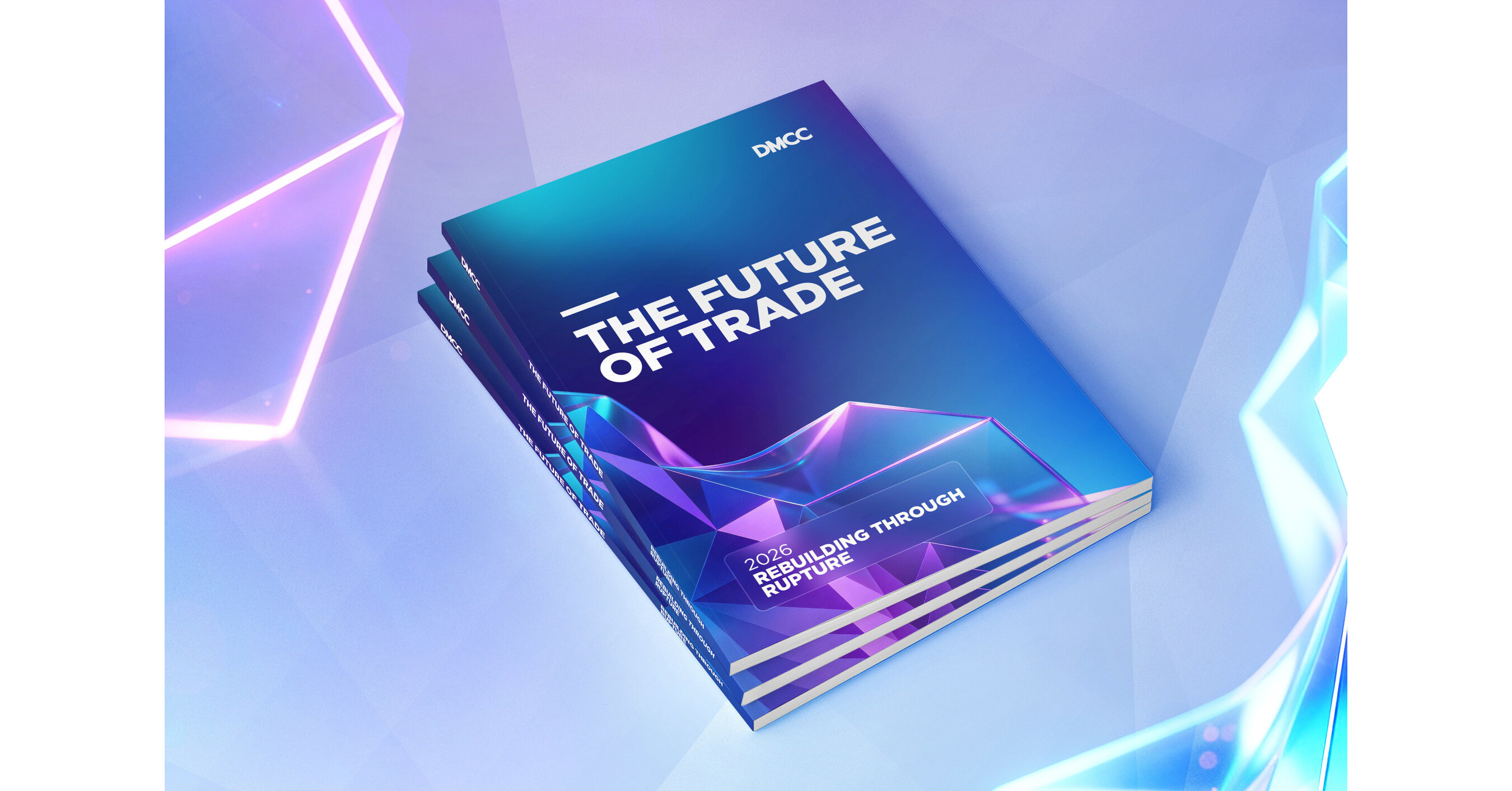
The DMCC has unveiled its anticipated Future of Trade 2026 report, pinpointing the multifaceted changes shaping global trade. With insights suggesting that artificial intelligence (AI), tariffs, critical minerals, and clean technology competition will significantly influence commerce, this report sheds light on the evolving landscape traders must navigate.
Key Findings and Expectations
According to the report, over 80% of global trade leaders forecast sluggish trade growth, primarily due to continuous disruptions. Just 4% foresee a best-case scenario for the near future. Alarmingly, nearly 20% of goods imports are currently affected by tariffs or similar restrictions. This increase from 12.6% just a year prior indicates rising uncertainties in global trade dynamics. Meanwhile, South-South trade—exchanges between developing economies—now makes up around 35% of global trade, surpassing traditional North-North flows. This shift reflects a notable rebalancing of international commerce.
AI’s role in trade has surged, with AI-related goods contributing a striking 43% to global merchandise trade growth in the first half of 2025. In stark contrast, non-AI goods only witnessed a growth of less than 4%. Currently, AI goods constitute about 15% of global trade by volume but represent a critical component for future growth. DMCC’s report projects merchandise exports to slow to 1.9% in 2026 from 4.6% in 2025, with a slight recovery expected at 2.6% in 2027.
Challenges Ahead for Global Trade
One of the report’s main concerns is the deterioration in predictability regarding trade. Business leaders are wary of a landscape defined by geopolitical volatility and economic fragmentation, with many industry players emphasizing the need for resilience amid these challenges. DMCC’s research highlights a widening gap between businesses that prioritize AI as a strategic asset and those that do not. With AI-driven technologies taking over operational decisions, companies that lag in implementation may find themselves at a significant competitive disadvantage.
The unravelling of a stable tariff framework poses another critical challenge. Recent shifts in U.S. trade policy have disrupted existing frameworks and accelerated a trend toward more regional trade agreements, signaling a move away from multilateral solutions. This transition places additional pressure on businesses to navigate a fragmented regulatory environment, complicating trade processes further.
The New Era of Trade and Recommendations
As global landscapes evolve, the DMCC report emphasizes the necessity of operational resilience among businesses. Many organizations are already adopting diversified strategies by onshoring or nearshoring to mitigate risks associated with international supply chains. The analysis suggests that businesses should actively invest in technology, especially AI, to enhance efficiency in customs, compliance, and trade finance. Companies must also treat data as a valuable asset, establishing clean and interoperable systems while preparing for data localization and privacy regulations in crucial markets.
For governments, the report outlines strategies to support trade resilience. Recommendations include utilizing trade agreements to set practical digital standards and accelerating the adoption of paperless trade to bridge the digital divide. Furthermore, policies aimed at improving access to trade finance can provide necessary support for small and medium-sized enterprises, which often face significant barriers.
As the Future of Trade 2026 report delineates, understanding these emerging dynamics will be paramount for businesses and policymakers alike. The intricate interplay of technology, geopolitical shifts, and evolving trade policies suggests that companies and nations must adapt proactively to thrive in this complex landscape. For more insights, the full report can be accessed at www.futureoftrade.com.