
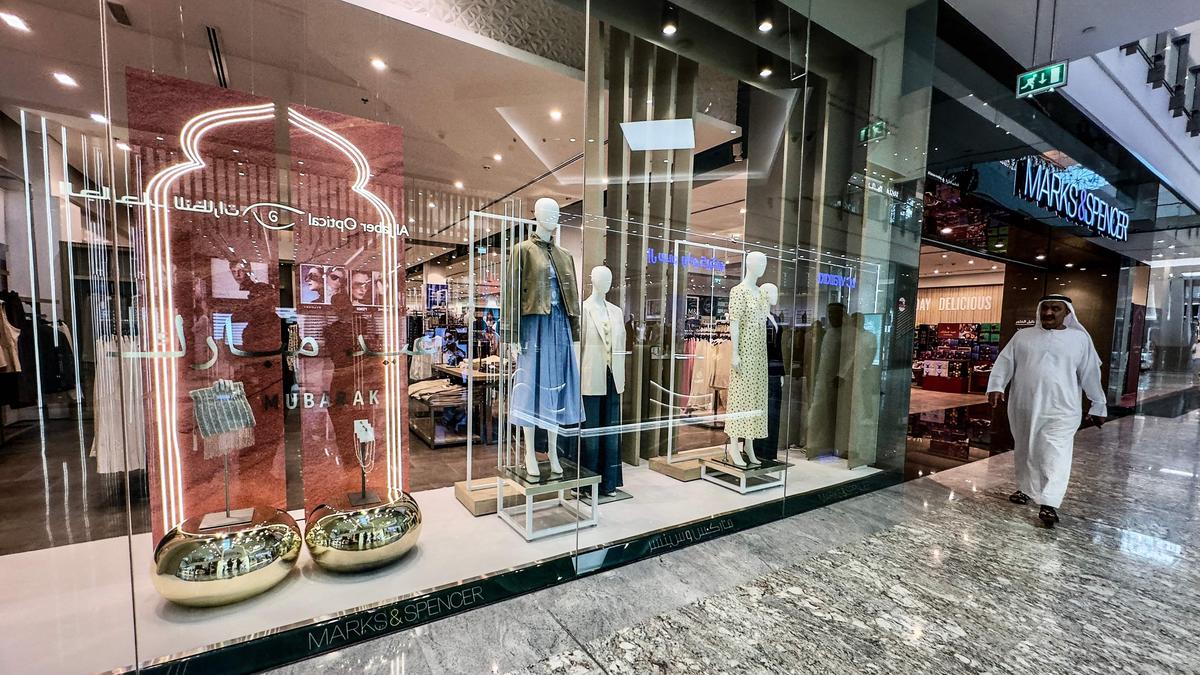
Luxury brands struggle as Iran conflict impacts Dubai Mall revenue.
Luxury brands in Dubai are facing considerable sales drops, largely attributable to the ongoing conflict in Iran. This situation highlights the interconnectedness of global economies and how geopolitical disturbances can have a direct impact on consumer behavior in luxury markets. As a vital hub for luxury shopping, Dubai has felt the repercussions of declining sales, threatening the broader $400 billion luxury sector.
Impact of Geopolitical Conflicts on Luxury Markets
The ongoing tensions in the Middle East, notably the Iran conflict, have triggered a chain reaction affecting luxury retail in various regions, especially in Dubai. The city has long been a shopping haven for affluent customers from across the globe, including many Iranian nationals who contribute significantly to the luxury market. When geopolitical conflicts arise, luxury spending habits often shift, leading to marked decreases in sales for high-end brands. This phenomenon illustrates how the luxury industry is not immune to external influences, suffering from reduced consumer confidence and spending.
The Role of Iranian Shoppers in Dubai’s Luxury Sector
Iranian consumers have historically played a substantial role in Dubai’s luxury retail environment. Many Iranians travel to Dubai not only for tourism but also to indulge in high-end shopping, often purchasing luxury goods like designer handbags, watches, and jewelry. However, the ongoing conflict has resulted in reduced travel and a decline in disposable income for many. Consequently, luxury retailers in Dubai are grappling with the loss of a key customer base, leading to significant revenue decline. Brands that once benefited from the affluent Iranian clientele now find themselves revisiting their marketing strategies to attract a wider audience.
Adapting to Shifts in Consumer Behavior
In response to the current situation, luxury brands in Dubai are being forced to adapt their business strategies. Many are focusing on diversifying their clientele, hoping to attract tourists and high-income residents from other regions. This could involve targeted marketing campaigns aimed at appealing to wealthy clients from Asia, Europe, and beyond. By repositioning themselves and potentially altering their product offerings, these brands aim to not only recover losses but also sustain long-term growth amidst fluctuating consumer behaviors.
Future Prospects for Dubai’s Luxury Market
Despite the challenges posed by the Iran conflict, there remains hope for Dubai’s luxury market. The city’s strategic geographic location and its reputation as a shopping paradise continue to attract consumers. Moreover, as global political climates shift, luxury brands that proactively adapt to changing market dynamics will find opportunities for recovery and growth. With the right strategies in place, the industry can see a resurgence, albeit potentially different from what it once was.
In summary, while the current conflict in Iran has inflicted noticeable challenges upon Dubai’s luxury sector, the future is not entirely bleak. By focusing on diversifying offerings and expanding their target markets, luxury brands can pave the way for a more resilient business model in this rapidly changing landscape.