
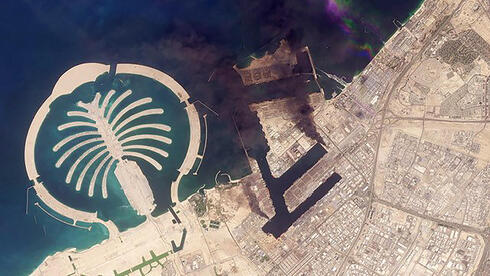
Iranian Attacks Target Dubai, Threatening Its Business Reputation
On a recent day, Dubai experienced a series of missile and drone strikes that have cast a shadow over its reputation as a hub of stability and tourism. The assaults inflicted damage on key infrastructures, including the city’s prominent airport, its bustling port, and the iconic Burj Al Arab hotel. The tragic outcome resulted in the loss of three lives and left numerous others injured. As the dust settles, experts are increasingly concerned about the implications of such attacks on Dubai’s economic framework, which relies heavily on foreign investment and stability.
Impact on Key Infrastructure
The missile and drone strikes hit crucial areas of Dubai, specifically targeting the airport, port, and the luxurious Burj Al Arab hotel. This multifaceted attack caused significant disruption to transport and trade. With one of the busiest airports in the region, Dubai International Airport serves as a crucial transit point for international travelers and cargo. Damage to this facility raises concerns about delayed flights and the city’s capability to handle economic activities efficiently.
The port, too, plays a pivotal role in the emirate’s economy, facilitating trade with countries across the globe. Disruptions in shipping could lead to shortages of goods and contribute to increased prices, adversely affecting local businesses and consumers. Such strikes not only threaten immediate commercial activities but could also deter future investments, essential for the continuing development of this rapidly growing city.
Threats to Economic Stability
The recent violence poses a significant threat to Dubai’s economic model, which is intricately tied to foreign investments and a reputation for stability. High-profile events, luxury tourism, and international business operations are integral to its economy. Analysts suggest that repeated attacks could induce a sense of insecurity among investors and tourists alike. A damaged image of safety might lead to decreased visitor numbers, impacting various sectors, from hospitality to retail.
Moreover, a perceived escalation in regional instability could lead to cautiousness from investors, who may seek safer locations for their capital. This may slow growth and impact employment rates, particularly in an economy that thrives on service and tourism sectors.
Repercussions for the Tourism Industry
Dubai’s tourism industry, a vital cornerstone of its economy, could face long-lasting repercussions from these attacks. The allure of luxurious destinations, world-class shopping, and iconic attractions draws millions of tourists each year. However, if perceptions of safety are compromised, potential visitors may reconsider their travel plans. This change in sentiment could hinder the city’s goal to attract even more tourists and establish itself as a premier global tourist destination.
The hospitality sector, already grappling with challenges due to global events, may find it increasingly difficult to recover if such attacks become a pattern. Providing security assurances will be paramount for hotels and businesses to regain trust and assure tourists of their safety.
In summary, the missile and drone strikes in Dubai have raised urgent concerns about the emirate’s long-standing reputation as a safe and stable investment hub. With critical infrastructure damaged, the potential for economic decline becomes ever more real. Policymakers and local businesses will need to act swiftly and decisively to mitigate these challenges and reinforce Dubai’s stature on the global stage.