
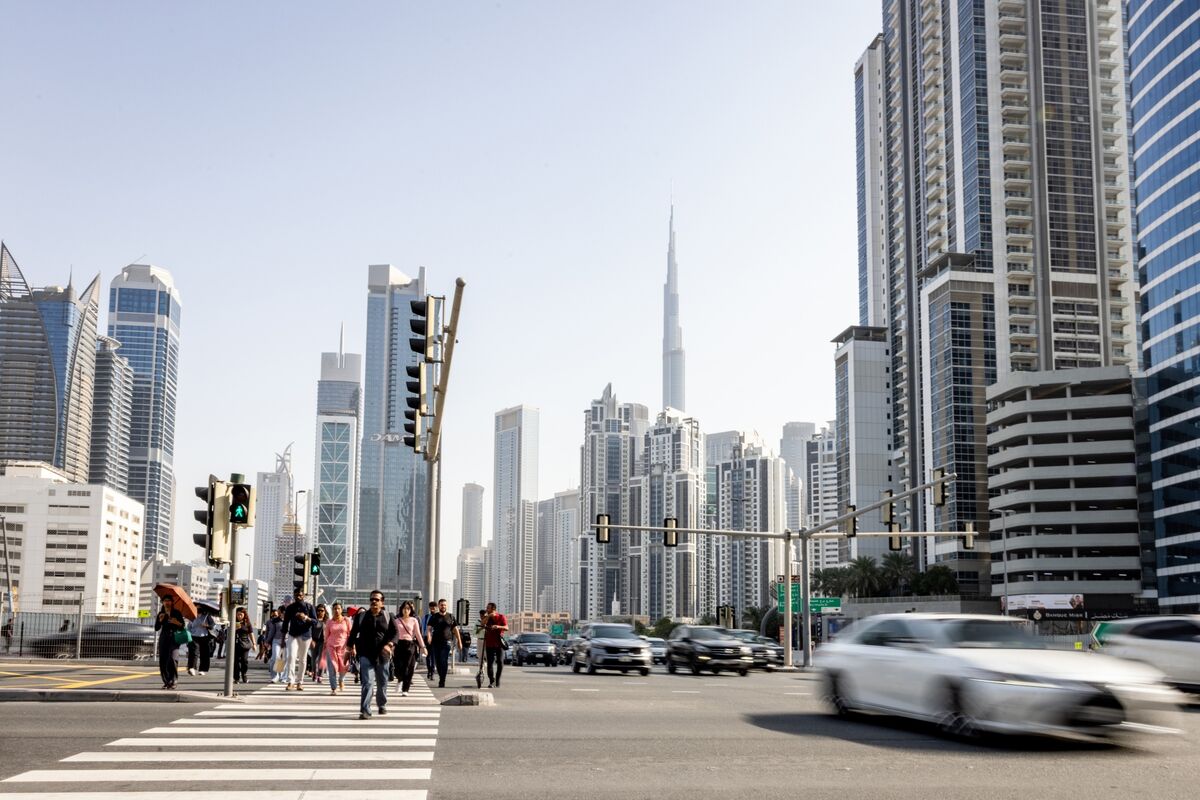
Iran Conflict Evaluates Commitment of UAE Expats in Dubai, Abu Dhabi
Understanding the Ongoing Conflict in the Middle East
The Mideast Money newsletter, led by Adveith Nair, aims to illuminate the critical intersections of finance and power in the Middle East. This region, increasingly impactful on global economic dynamics, deserves our focused attention. In this week’s edition, we unpack the complexities of the ongoing conflict in the Middle East and its implications for the global economy.
The Roots of the Conflict
The historical backdrop of the Middle East is characterized by a rich tapestry of cultural, religious, and political factors. The strife among various groups often arises from long-standing grievances and territorial disputes. These conflicts are further complicated by external influences, including foreign interventions and shifting alliances. Understanding the roots of the conflict is essential for grasping the full scope of its current implications.
The region’s geopolitical significance is amplified by its abundant natural resources, particularly oil. The control and management of oil reserves have made the Middle East a focal point in international relations. As nations vie for power and influence, the resulting tensions can spill over into broader conflicts, affecting not just local populations but also global markets.
Economic Implications of the Crisis
The ongoing conflict has significant repercussions for the regional and global economy. Instability can lead to fluctuations in oil prices, affecting energy markets worldwide. Investors often regard the region as high-risk, leading to diminished foreign investment and stunted economic growth.
Additionally, the humanitarian crisis resulting from the conflict creates further economic burdens. Nations facing large numbers of refugees may grapple with providing necessary services, ultimately straining their economies. Multinational organizations often step in to provide aid, but sustained conflict continues to present obstacles to long-term solutions.
The Role of International Actors
International actors play a crucial role in either exacerbating or mitigating the conflict. Countries with vested interests in the region often engage in geopolitical maneuvering, complicating the situation further. Alliances shift, and new partnerships emerge, as nations pursue strategic advantages.
Furthermore, global responses to humanitarian crises significantly influence the dynamics of the region. Aid cannot replace the need for lasting peace; however, it may create a temporary buffer for affected populations. Balancing the need for humanitarian intervention with the complexities of diplomatic relations is a multifaceted challenge for global leaders.
Looking Ahead: The Path to Stability
As we analyze the complexities of the Middle East, it is clear that the road to stability is fraught with challenges. Economic strategies must align with efforts aimed at diplomatic resolution. For long-term success, a focus on peace-building and collaboration among nations in the region is essential.
In conclusion, the Middle East remains a focal point for global finance and power dynamics. Understanding the ongoing conflict requires an appreciation of its historical context, economic implications, and the role of international actors. Navigating this landscape will demand a concerted effort from global leaders and stakeholders to foster a more stable, prosperous future for all involved.
For the latest insights and analysis, join us weekly as we uncover these complex themes in the Mideast Money newsletter.