
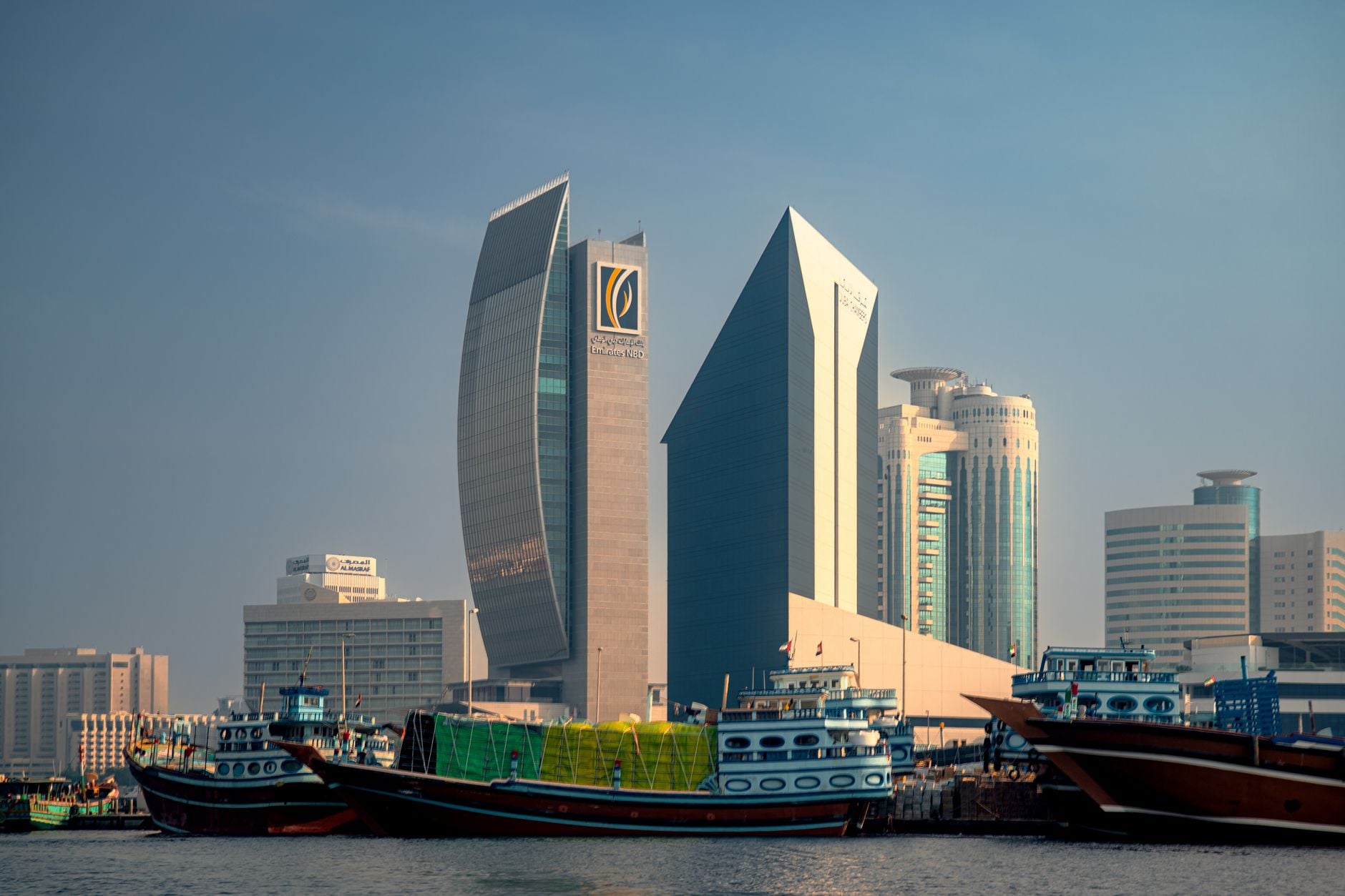
Dubai’s Wealth Now Driven by Tourism, Not Oil Revenue
Dubai is often perceived as an oil-rich city due to its wealth, geographical location, and connection to the broader United Arab Emirates. However, the reality of its economy is far more diverse and dynamic, reflecting a shift towards innovation, technology, and sustainable practices that are pivotal in shaping its future.
Diversification of Dubai’s Economy
Over the past few decades, Dubai has successfully transitioned from its traditional reliance on oil to a more diversified economic structure. This shift is driven by strategic investments in sectors such as tourism, aviation, and real estate. The emirate has established itself as a global hub for business and finance, attracting international companies and fostering entrepreneurship. Initiatives like the Dubai Free Zones have created a favorable environment for businesses, reaping substantial economic benefits.
Tourism and hospitality constitute a significant portion of Dubai’s economy, bolstered by lavish attractions and distinguished events. The city is home to iconic landmarks like the Burj Khalifa and an array of luxury hotels, drawing millions of tourists annually. These factors have enabled Dubai to flourish as a premier destination for leisure and business travelers alike, further enhancing its economic profile.
Innovation and Technology in Dubai
Acknowledge the role of innovation in driving Dubai’s economy, particularly in the tech industry. The emirate has recognized the importance of technology as a catalyst for growth and development. Government initiatives promote startup culture, incentivizing tech entrepreneurs to establish their businesses in Dubai. The establishment of the Dubai Internet City and Dubai Silicon Oasis has fostered a vibrant ecosystem for tech companies, providing resources and support necessary for them to thrive.
In addition, Dubai’s commitment to smart city initiatives is also paving the way for sustainable urban living. Through enhanced services like smart transportation and high-tech infrastructure, the city is working towards creating a seamless and efficient urban environment. These advancements are proving essential not only for improving residents’ quality of life but also for attracting global talent and investment.
Dubai’s Sustainable Growth
Sustainability is at the forefront of Dubai’s economic agenda, with ongoing efforts to create a greener, more sustainable city. The government is implementing strategies to reduce carbon emissions and diversify energy sources, including a strong push towards renewable energy solutions. Projects such as the Mohammed bin Rashid Al Maktoum Solar Park are clear indicators of this commitment.
Furthermore, Dubai’s retail sector is also adapting to sustainability trends, embracing eco-friendly practices. Businesses are increasingly incorporating sustainable products into their offerings, recognizing that consumers are more inclined to support brands that prioritize environmental responsibility. This evolution not only elevates the city’s status as a leader in sustainability but also aligns with global trends, ensuring that Dubai remains relevant in an ever-changing economy.
In conclusion, while Dubai may have originally been established on an oil-based economy, it has transformed significantly over the years. The city now epitomizes a modern, multifaceted economy focusing on innovation, technology, and sustainability. These elements will continue to define its growth trajectory and ensure its competitiveness on the global stage. As Dubai marches towards the future, its diverse economic landscape serves as a model for other regions aiming for sustainable development and growth.