
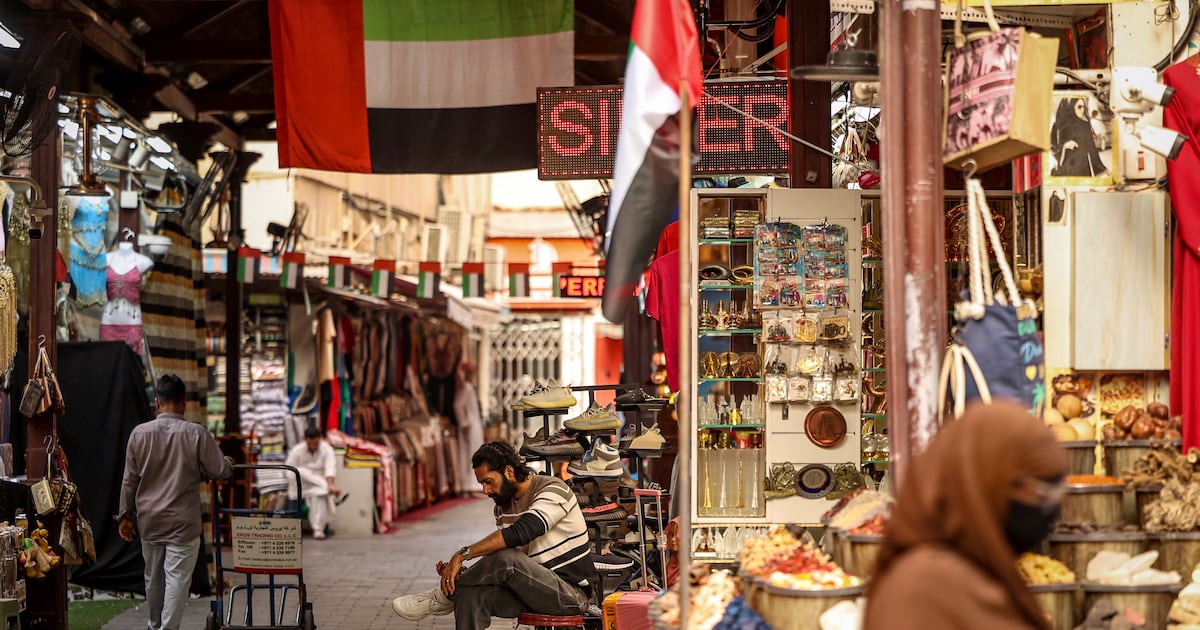
Dubai’s inflation could decline, but costs remain high.
Introduction to Inflation Trends in the Emirates
As the landscape of the global economy shifts, inflation in the Emirates is anticipated to undergo significant fluctuations. Recent projections suggest that inflation may reach its zenith at 5.4% in May, but with diplomatic discussions surrounding ceasefires and the reopening of Hormuz, there’s optimism for it to decrease to 2.9% by December.
Current Inflation Predictions
The Emirate’s inflation rates have caught the attention of economic analysts, with predictions indicating a peak of 5.4% in May. This surge is largely influenced by rising global prices and local market dynamics. Given these initiating factors, stakeholders are closely monitoring how geopolitical developments will affect this economic trajectory. The potential reopening of strategic trade routes like Hormuz plays a crucial role in shaping future price stability. As these discussions evolve, they may significantly impact supply chains, leading to moderated inflation rates later in the year.
Role of Geopolitical Factors
Geopolitical tensions have a pronounced effect on economic conditions, and the Emirates are no exception. The Hormuz Strait is a pivotal channel for oil transport, and any disruptions can ripple through various sectors. As international diplomatic efforts aim to establish a lasting ceasefire, the reopening of Hormuz could foster improved access to resources and lower transportation costs. This shift, alongside enhanced import-export operations, could alleviate some of the inflationary pressures currently affecting consumers and businesses alike.
Economic Strategies Moving Forward
Looking ahead, economic strategies will need to adapt in response to these anticipated changes. Policymakers may implement a series of measures designed to curb inflation while also promoting growth. Such strategies could include price controls on essential goods and services, alongside initiatives to stimulate domestic production. By fostering a resilient economy, the Emirates can create a buffer against external shocks that often contribute to inflation spikes.
The Outlook for Consumers and Businesses
For both consumers and businesses in the Emirates, understanding the trajectory of inflation is crucial for planning and budgeting. As inflation rates are projected to decrease to 2.9% by December, stakeholders should remain vigilant. Discounts on goods and prudent financial management will become increasingly relevant as the economy stabilizes. Furthermore, businesses may find opportunities to innovate and adjust their strategies in anticipation of a more favorable economic climate.
In summary, the economic landscape in the Emirates is undergoing a transformative phase marked by significant inflation fluctuations. As geopolitical discussions unfold, these shifts may lead to a more stable economic environment, benefiting both consumers and the business community alike. Keeping abreast of these developments will be key to navigating this complex economic terrain.