
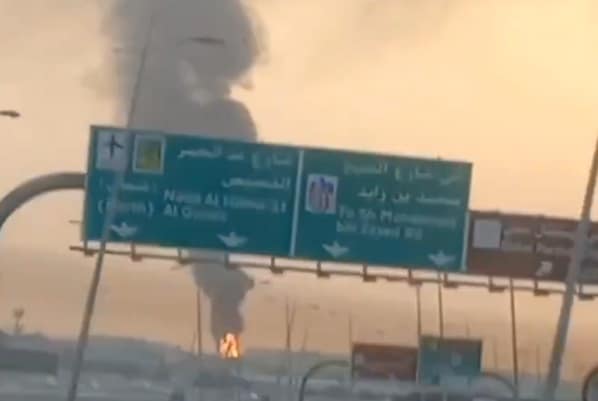
Dubai tourism falters as regional conflict drives away travelers.
Dubai’s tourism sector is experiencing considerable turmoil as visitor rates plummet due to increasing regional tensions tied to the ongoing conflict in Iran. This decline has led to numerous hotel closures and significant job losses within the emirate’s hospitality industry.
The Impact of Geopolitical Tensions on Tourism in Dubai
As an internationally recognized luxury travel destination, Dubai has thrived on attracting affluent visitors from around the globe. Nevertheless, the recent rise in regional unrest has cast a shadow over this once-thriving hub. Travel advisories from various governments have heightened concerns, prompting potential tourists to reconsider their travel plans. As a result, hospitality establishments are reporting a sharp drop in reservations, leading to them either temporarily or permanently closing their doors.
Moreover, the impact extends beyond just hotel occupancy rates. Service-related industries, including restaurants, transportation services, and retail operations, are feeling the strain as foot traffic declines. Local businesses that depended on a steady flow of tourists are bracing for tough times ahead. With fewer visitors, the city’s economy, which is heavily reliant on tourism, faces significant challenges.
Hotel Closures and Job Losses: A Harsh Reality
Reports indicate that numerous hotels across Dubai have shut down or reduced their operational capacity in response to the decline in tourist numbers. Iconic establishments that once boasted high occupancy rates are now grappling with tough decisions aimed at maintaining profitability. This has culminated in a wave of layoffs, affecting thousands of hospitality workers who rely on the industry for their livelihoods.
Furthermore, the scenario is dire for lower-tier accommodations and smaller businesses, which struggle to maintain operations in fluctuating market conditions. Many of these entities lack the financial cushion needed to weather such significant downturns. As layoffs surge and establishments shutter, the ripple effect is felt throughout the community, placing additional strain on local economies.
Future Outlook: Recovery and Resilience
Despite the current challenges, there remains a glimmer of hope for Dubai’s tourism sector. Efforts are underway to promote the city as a safe and attractive destination, with campaigns aimed at reassuring potential visitors. The government and tourism bodies are exploring strategies to revitalize the market, including promotional offers, special events, and partnerships designed to bolster visitor numbers once the regional situation stabilizes.
Moreover, Dubai has historically demonstrated resilience in the face of adversity. With investments in infrastructure, innovation, and diversification of its tourism offerings, the emirate can reposition itself to attract new visitors. Emphasizing alternative experiences beyond luxury can open opportunities for attracting a wider audience in the future.
In conclusion, the current state of Dubai’s tourism industry reflects the complexities of geopolitical dynamics and their direct impact on local economies. By acknowledging challenges and embracing strategic recovery measures, there is potential for Dubai to bounce back stronger, reaffirming its status as a premier destination in the global travel landscape.