
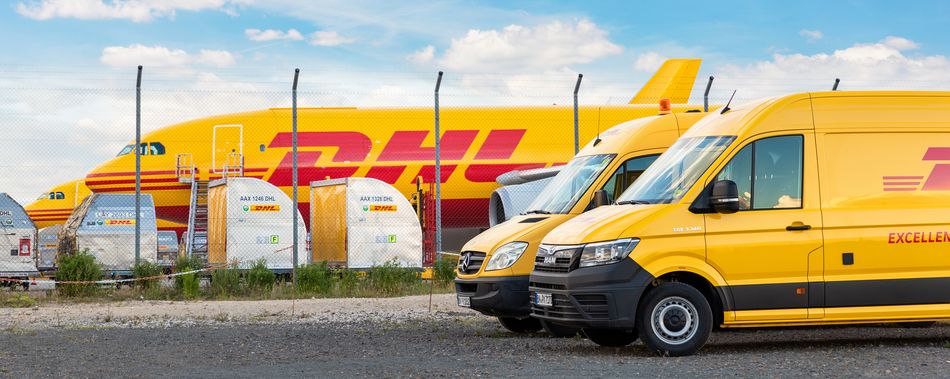
Dubai South Business Hub partners with DHL Express
In today’s interconnected world, small and medium-sized enterprises (SMEs) are increasingly poised to tap into global markets. However, many of these businesses face hurdles that can hinder their export activities. Recognizing this challenge, recent initiatives aim to enhance export preparedness, streamline cross-border trade processes, and empower SMEs to engage with international clients more effectively.
Boosting Export Readiness for SMEs
Export readiness is crucial for SMEs looking to enter international markets successfully. Businesses often lack the necessary resources and know-how to navigate the complexities of exporting. Initiatives focused on boosting export readiness typically provide SMEs with valuable training, resources, and mentorship. This support equips business leaders with the market insights, regulatory knowledge, and strategic planning skills needed to approach foreign markets confidently.
Furthermore, workshops and seminars can demystify the export process, covering topics such as compliance with international regulations, financing options, and the logistics of shipping products abroad. By participating in these initiatives, SMEs can minimize risks associated with export ventures, making them better prepared to compete globally. Increased awareness of export channels paves the way for increased efficiency and profitability.
Simplifying Cross-Border Trade Processes
One of the primary barriers to exporting for SMEs is the complex nature of cross-border trade. Tariffs, customs procedures, and paperwork can be overwhelming. Efforts to simplify these processes are essential to promoting seamless international transactions. Initiatives are often focused on creating user-friendly platforms where SMEs can access all necessary information regarding customs regulations, transportation, and taxation.
Such platforms can provide comprehensive resources, including digital documentation tools, compliance checklists, and customs tariff guides. By simplifying these cross-border trade processes, SMEs can spend less time navigating red tape and more time focusing on business growth and innovation. Streamlined processes also reduce the overall cost of exporting, making it a more attractive option for small businesses.
Empowering SMEs to Access International Markets
Enabling SMEs to penetrate international markets goes beyond just education and simplified processes; it involves fostering connections and networks. Many initiatives prioritize building collaboration between SMEs and established businesses, trade organizations, and government agencies. Such partnerships can open up a range of opportunities, from mentorship and guidance to joint ventures and broader market access.
Networking events, trade missions, and partnerships with international organizations offer SMEs the chance to showcase their products and services, connecting them with potential buyers and partners. This kind of visibility is invaluable, as it not only promotes brand recognition but also facilitates the exchange of ideas and practices that can lead to successful market entry.
Conclusion: The Future of Exporting for SMEs
As initiatives focused on enhancing export readiness, simplifying cross-border trade, and empowering SMEs take shape, the future looks promising for small and medium-sized businesses venturing into international markets. With the right resources and support, these enterprises can overcome traditional barriers and compete on a global scale.
By actively participating in such initiatives, SMEs can transform challenges into opportunities, unlocking new revenue streams and fostering sustainable growth. The journey may be complex, but with persistent effort and commitment, SMEs can confidently navigate the world of international trade.