
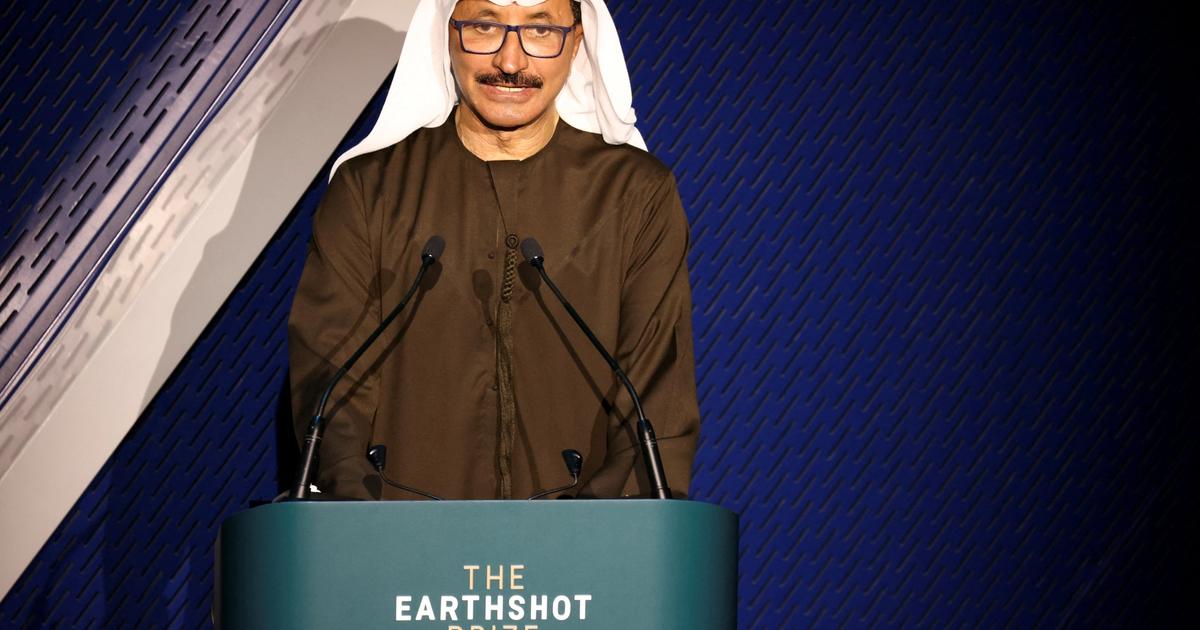
Dubai ousts DP World leaders due to Epstein connections.
Dubai has made a significant change in its leadership by appointing a new chairman to replace Sultan Ahmed bin Sulayem, following a wave of unfavorable media coverage surrounding one of its leading enterprises. This shift reflects the government’s desire to bolster its public image and reinforce confidence in its business environment.
Transition in Leadership
The decision to replace Sultan Ahmed bin Sulayem underscores the proactive measures taken by Dubai’s administration to address concerns that have arisen from recent events. Leadership transitions are not uncommon in dynamic business landscapes, especially when external perceptions begin to affect corporate reputation. The leadership change aims to restore faith in the company’s operational integrity and vision.
In this instance, the new appointee is expected to inject fresh energy and perspectives, potentially reversing the tide of adverse publicity. It illustrates Dubai’s commitment to ensuring its enterprises remain at the forefront of the global market, emphasizing accountability and transparency in their operations.
Addressing Public Concerns
The negative publicity surrounding the company was primarily driven by rumors and speculation that raised questions about its practices and governance. By instituting a leadership change, the authorities signal their intention to respond to public concerns seriously, showcasing a willingness to reassess and reform.
This approach is crucial for businesses operating in competitive environments, where public perception can significantly influence consumer and investor confidence. Dubai aims to ensure that its companies adhere to the highest standards of excellence, which can only be achieved through decisive action and strong leadership.
The Impact on Dubai’s Business Environment
The move to replace bin Sulayem not only addresses immediate concerns but also reflects a broader strategy aimed at enhancing the overall business landscape in Dubai. A fresh leadership style may result in innovative solutions and strategies that resonate with current market demands. Furthermore, this transition could attract both international and local investors looking for stability and growth potential.
Moreover, creating a governance framework that promotes trust and transparency is essential for building deeper relationships with stakeholders. With this leadership change, Dubai is sending a strong message regarding its commitment to ethical practices and responsible management.
Looking Ahead
As the new leader steps into this pivotal role, all eyes will be on the next moves to steer the company back into favorable light. Stakeholders will be keen on monitoring the new strategies and initiatives that will be rolled out in the coming months. Building credibility will be paramount, and establishing a strong rapport with the public and business community will be vital.
In conclusion, Dubai’s decision to change its chairman amid negative publicity sends a clear message about its priorities. With an emphasis on accountability and proactive leadership, the region aims to strengthen its position in the global market. By addressing public concerns and implementing robust governance mechanisms, Dubai is actively working to ensure a promising business environment for its enterprises. This leadership change could potentially mark a new chapter, one focused on transparency, innovation, and sustained growth in a competitive landscape.