
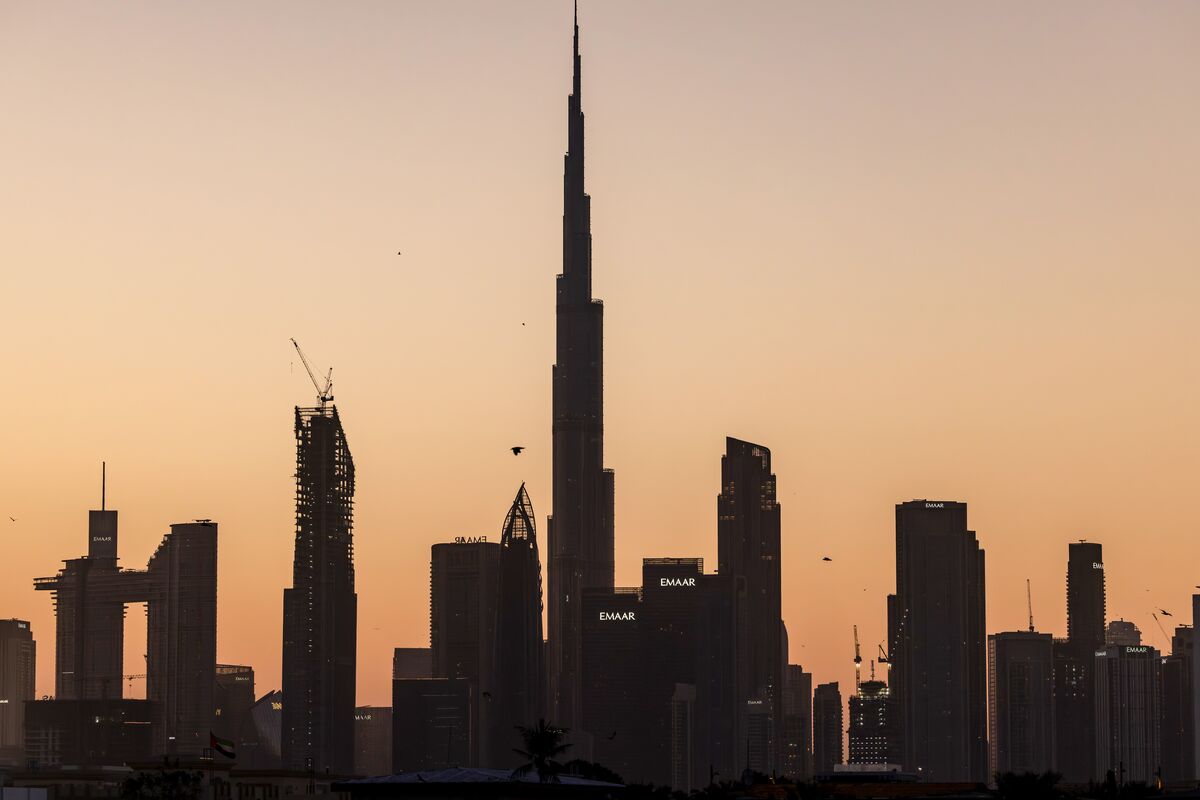
Dubai Leader Strengthens Control Over Emaar in $6.5 Billion Overhaul
A significant shift has occurred in Dubai’s real estate sector, with the Dubai ruler’s company taking a commanding position in one of the city’s largest developers. This move reflects ongoing changes in the market, particularly in relation to international disturbances.
Acquisition of a Major Stake in Emaar Properties
Dubai Holding has emerged as the leading stakeholder in Emaar Properties PJSC after finalizing a substantial $6.5 billion purchase. This transaction involved acquiring a 22.27% share from the Investment Corporation of Dubai, further solidifying Dubai Holding’s influence in the property market. Following this acquisition, the company now owns an impressive 29.73% stake in Emaar, a renowned developer responsible for iconic projects like the Burj Khalifa.
Context of the Deal Amid Market Volatility
This acquisition occurs against a backdrop of uncertainty in Dubai’s real estate market, primarily influenced by geopolitical factors such as the ongoing conflict in Iran. Investors are increasingly cautious as they navigate the implications of international tensions on local economies and property values. The deal reinforces Dubai Holding’s strategy to maintain substantial control over pivotal market entities, supporting stability during turbulent times.
The Strategic Importance of Emaar Properties
Emaar Properties is more than a developer; it is a symbol of Dubai’s rapid growth and modernization. The firm has played a crucial role in transforming the city into a global hub for tourism and commerce. By increasing its stake, Dubai Holding not only positions itself strategically but also aims to leverage Emaar’s expertise to advance broader developmental goals within the emirate. This move underscores the trust in Emaar’s capacity to navigate current challenges and emerge stronger.
Future Implications for Dubai’s Real Estate Landscape
The rising shareholding of Dubai Holding in Emaar Properties signals a proactive approach to bolster the stability of Dubai’s property market. With ongoing developments and projects in the pipeline, there is a strong potential for enhanced growth and revitalization in local real estate. This concentration of ownership could lead to new initiatives aimed at addressing existing market concerns, promoting sustainable growth, and attracting further investment to the region.
The recent acquisition highlights the resilience of Dubai’s property market and the strategic maneuvers by its leading investors. As Dubai continues to position itself at the forefront of global development, this shift in ownership may serve as a catalyst for innovation, ultimately shaping the future of real estate in the emirate.