
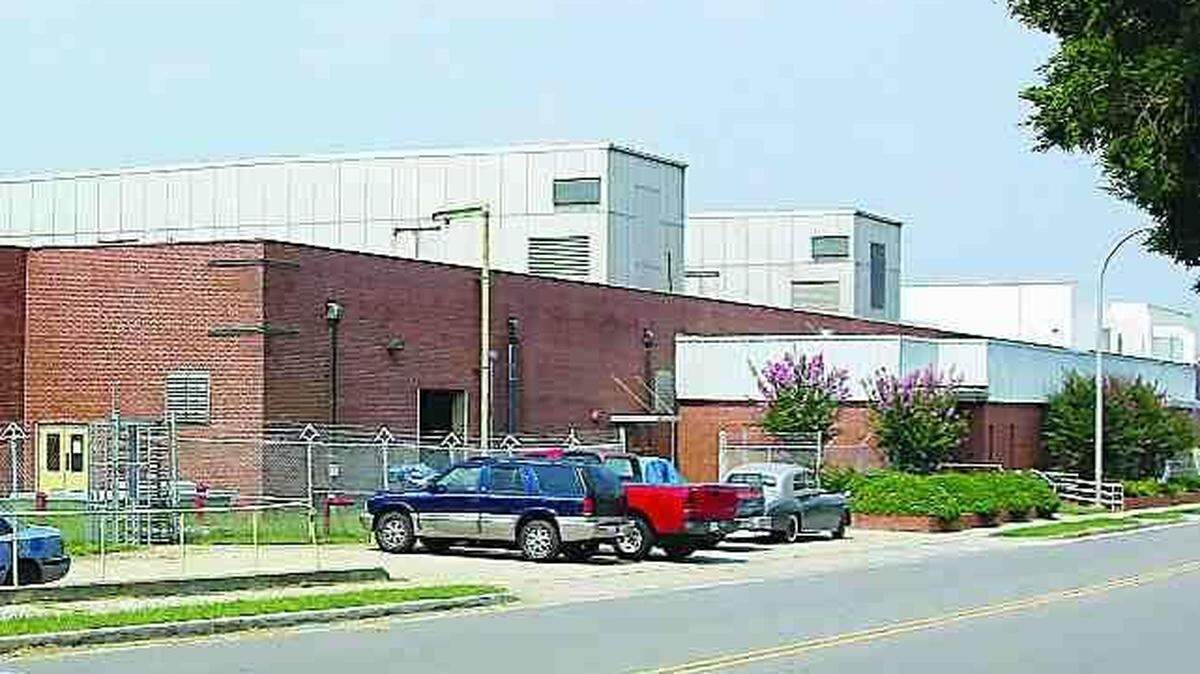
Dubai Energy Firm Acquires Historic Charlotte Site for HQ
The revitalization of historic buildings is gaining momentum, especially as companies seek to blend modern energy solutions with architectural heritage. This approach not only preserves the essence of our past but also embraces sustainable practices. An energy firm has recently made headlines for its plans to upgrade a building from the McKinley administration era, highlighting the importance of integrating historical sites with contemporary energy solutions.
The Significance of Historical Preservation
Preserving historical structures is crucial for maintaining a community’s identity and cultural heritage. Buildings from the late 19th century, like the one targeted for energy upgrades, provide a glimpse into the architectural styles and societal norms of that time. By updating these sites with modern energy technologies, communities can honor their history while also benefiting from advancements in energy efficiency. This dual approach not only improves energy performance but also enhances the aesthetic appeal of the area, potentially driving tourism and local engagement.
Modern Energy Solutions for Old Buildings
The integration of modern energy solutions into historical buildings can be challenging, yet it offers significant benefits. Innovations such as energy-efficient insulation, smart lighting, and renewable energy sources can be introduced without compromising the structure’s historical integrity. The proposed upgrades aim to reduce energy consumption and costs while ensuring that the architecture’s character remains intact. More energy-efficient buildings can considerably decrease greenhouse gas emissions, contributing positively to the environment.
Challenges Faced in Renovations
Transforming historical buildings into energy-efficient structures comes with its own set of challenges. Regulatory restrictions often protect these sites, making it essential for energy companies to navigate the delicate balance between preservation and modernization. Furthermore, financial investments are required to implement cutting-edge technologies while adhering to preservation standards. Engaging local historians and conservationists during the renovation process can help ensure that changes are not only functional but also respectful to the building’s history and significance.
The Future of Energy in Historical Context
As the world moves toward a more sustainable future, the collaboration between energy companies and historical preservationists will play a pivotal role. The successful renovation of the energy company’s targeted building would set a precedent, inspiring similar efforts in other historic structures across the nation. By embracing renewable energy innovations, we can lead the way in sustainable practices while still cherishing and preserving the roots that form our cultural landscape. This convergence of past and future offers a blueprint for future developments and a renewed appreciation for the stories embedded within our built environment.
In conclusion, marrying modern energy solutions with our treasured architectural heritage is not just a bold endeavor but a necessary one. The upgrades planned for the building from the McKinley era represent more than just an energy-efficient transformation; they signify a commitment to preserving history while paving the way for a more sustainable future. As this initiative unfolds, it stands as a reminder of the dual responsibility we have – honoring our past while striving to innovate for tomorrow.