
Dubai developer cites force majeure for property sales.
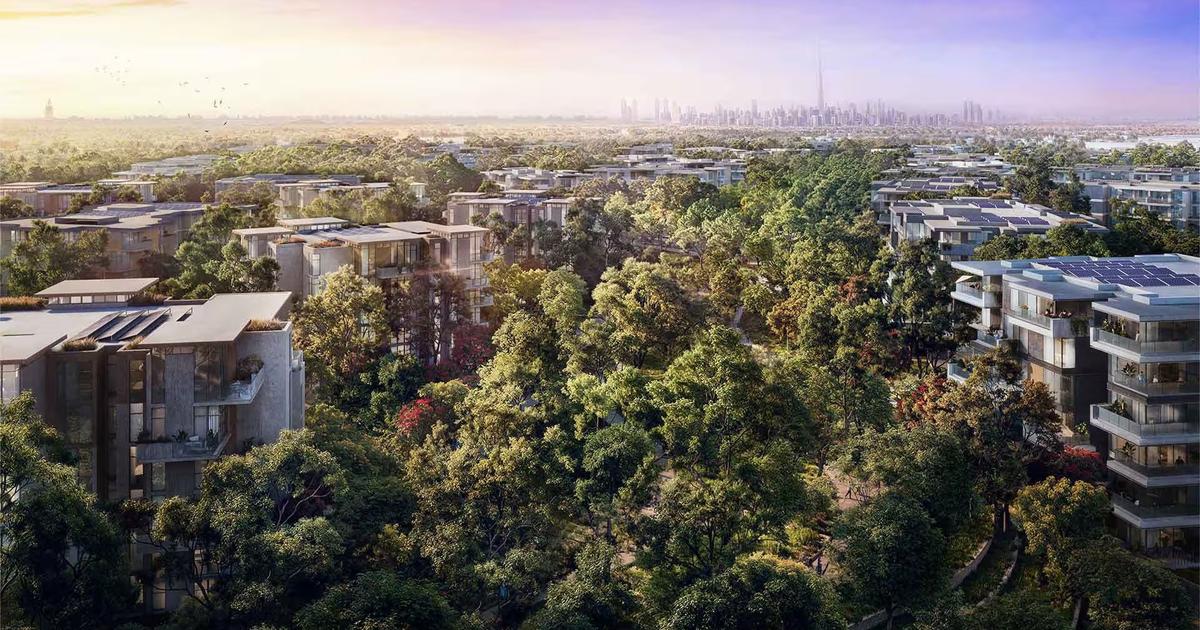
Dubai’s real estate sector has emerged as one of the most dynamic property markets globally, particularly standing out for its high-value transactions. According to real estate consultancy Knight Frank, Dubai leads the world’s sales of luxury homes priced over $10 million. Areas like Tilal Al Ghaf showcase lavish mansions selling for upwards of $15 million, alongside more modest units that attract investors keen on rental income opportunities.
Challenges for Off-Plan Buyers
For investors venturing into off-plan properties, delays can prove to be financially burdensome. Many contracts for these properties stipulate that developers must compensate buyers if handovers exceed specified timelines, which typically range from six to twelve months. However, developers can often evade these financial penalties by invoking force majeure clauses, which allow them to excuse delays under unforeseen circumstances.
Rising Construction Costs and Material Shortages
The construction landscape in Dubai is grappling with significant challenges, particularly rising costs for essential building materials. Stonehaven, a construction consultancy, reports that material prices have surged by roughly 25% since September. Key resources such as aluminum, bitumen, copper, and nickel have seen substantial price hikes, affecting construction budgets across projects. Furthermore, industry insiders reveal that interior fit-out companies are struggling to source fittings and finishing materials that are typically imported through Dubai’s Jebel Ali port, causing further supply chain disruptions.
The Impact of Supply Chain Challenges
A property developer, who requested anonymity, shared insights into the current state of the market. According to this source, the primary obstacle is not financial but rather the uncertainty surrounding supply chains. Many subcontractors have either declined new projects or withdrawn from ongoing ones due to their inability to secure the necessary materials and adhere to timelines. This lack of consistency in the supply chain is extending handover schedules throughout the region, which will likely result in lower completion rates in the current year.
Developer Responsiveness to Challenges
In light of these complications, property developers remain committed to ensuring timely delivery. MAF (Majid Al Futtaim) has publicly stated that they are actively collaborating with contractors, consultants, and suppliers to closely monitor developments in the industry and proactively address potential impacts. Their overarching goal is to deliver homes of high quality and on schedule for their customers, maintaining transparency and accountability within the market.
In summary, while Dubai’s real estate market continues to showcase remarkable growth and luxury options, the sector faces significant challenges ahead. With rising construction costs and supply chain issues affecting timelines, both investors and developers must navigate a landscape fraught with uncertainty. Continuous monitoring and adaptive strategies will be essential in ensuring that the market remains robust and responsive to the ever-changing conditions.