
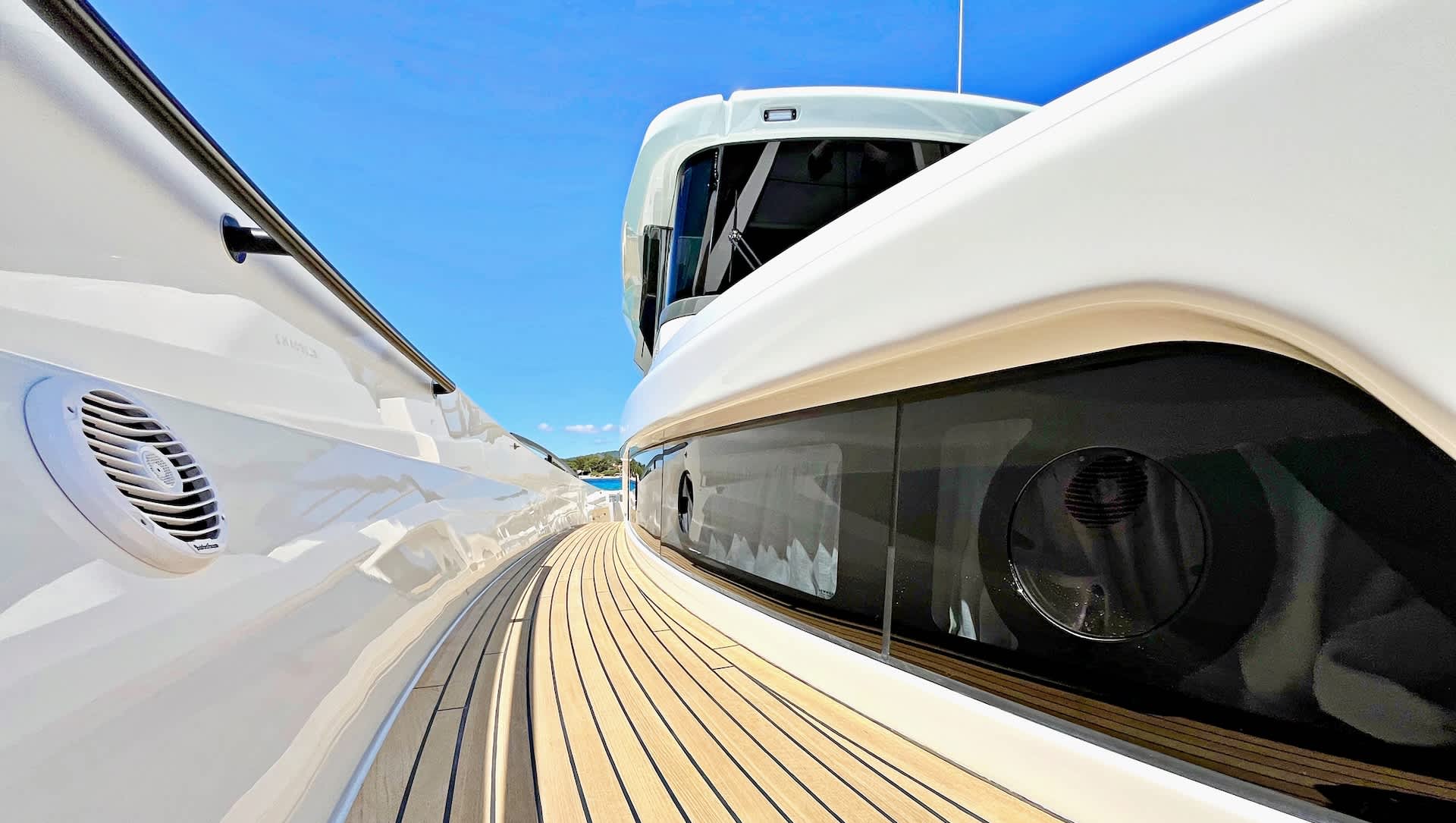
Dubai Billionaire’s $250 Million Yacht Highlights Luxury’s Environmental Impact
Yachts are often seen as symbols of luxury and opulence, but they also carry a significant environmental burden. With their massive engines, extensive fuel consumption, and waste production, these vessels contribute heavily to pollution and ecological degradation. In this analysis, we will explore the environmental impact of superyachts and the ongoing efforts to mitigate their ecological footprint.
Superyachts and Their Carbon Footprint
The sheer size and scale of superyachts make them a considerable source of carbon emissions. A typical superyacht can consume more fuel in a single day than an average household does in an entire year. When cruising through pristine waters, these lavish vessels release harmful greenhouse gases, contributing to climate change and global warming. The boating industry is witnessing a surge in luxury yacht sales, which raises concerns about their cumulative environmental effects.
Rising fuel consumption also means escalated reliance on non-renewable resources, putting additional stress on the planet’s ecosystem. As more individuals choose to flaunt their wealth through yachting, their carbon footprint only increases. This troubling reality has sparked conversations around the need for sustainable practices within the luxury boating sector.
Pollution and Oceans
In addition to carbon emissions, superyachts contribute to water pollution in various ways. The discharge of untreated wastewater, with nutrients harmful to marine life, is a pressing issue. Many yachts are equipped with inadequate waste treatment systems, resulting in the release of pollutants directly into the ocean. This not only affects local biodiversity but also impacts fisheries and coastal communities that depend on healthy marine environments.
Furthermore, the noise pollution generated by yachts disrupts marine life and breeding patterns of various species. Sound waves emitted from large engines can interfere with the natural behavior of aquatic animals, particularly whales and dolphins, which rely on echolocation for communication and navigation. Such disturbances can have lasting consequences for marine ecosystems and biodiversity.
Efforts for Sustainable Yachting
Recognizing the environmental repercussions, several industry leaders are now advocating for sustainable yachting practices. Innovations in yacht design incorporate eco-friendly technologies, such as hybrid engines and renewable energy sources like solar panels. These advancements aim to minimize fuel consumption and reduce emissions, allowing yacht owners to enjoy luxury without significantly harming the planet.
Moreover, many yacht manufacturers are beginning to implement waste management systems onboard, ensuring that waste is treated appropriately before being discharged. By adopting such measures, the industry is taking steps toward balancing luxury with ecological responsibility, fostering a more sustainable yachting experience.
The Future of Yachting
It is clear that superyachts represent more than just lavish personal investments; they are also vehicles of significant ecological impact. As awareness of climate change and environmental issues continues to grow, the luxury boating industry faces a pivotal moment. The shift towards sustainability not only benefits the planet but also enhances the overall yachting experience.
As yachting enthusiasts increasingly demand eco-friendly practices, manufacturers and charter companies will need to adapt. By integrating greener technologies and promoting responsible behaviors, the industry has a unique opportunity to lead in sustainable tourism. The future of yachting could very well hinge on this commitment to environmental stewardship.
In conclusion, while superyachts symbolize wealth and success, their environmental implications cannot be ignored. The industry’s shift toward sustainability is essential in ensuring the preservation of our oceans and ecosystems for future generations.