
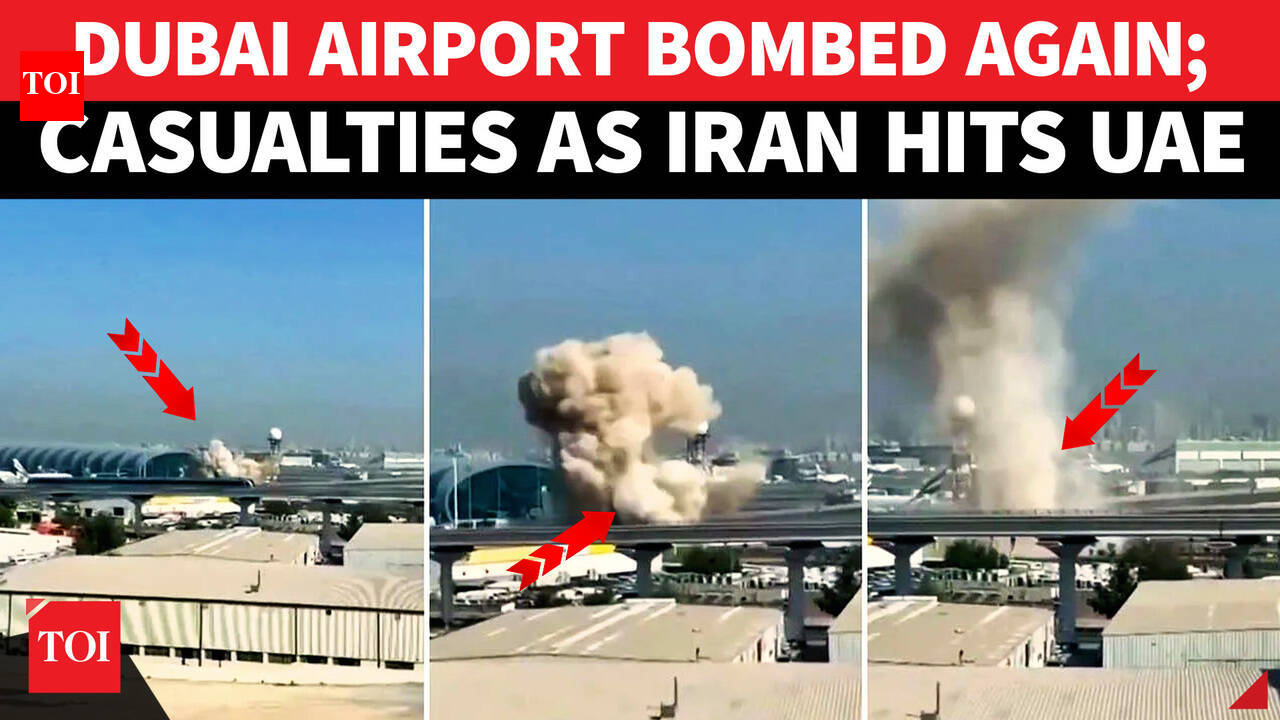
Dubai Airport Attacked: Iranian Drones Hit UAE Hub, Casualties
In light of recent events, the geopolitical landscape in the Middle East, especially concerning Iran, has become increasingly volatile. This tension presents a significant challenge, impacting various aspects of international relations, economic stability, and regional security.
Escalating Concerns Over Regional Security
The ongoing conflicts in the region continue to escalate, with nations like Iran playing a pivotal role. Reports indicate that Iranian drone strikes have targeted key infrastructure in the UAE, raising alarms about the potential for wider regional conflict. This situation not only threatens the safety of the citizens but also endangers vital business activities within these nations. As the UAE grapples with perceptions of security, it faces the dual challenge of maintaining public trust while ensuring that economic operations can continue unhindered.
Impact on International Relations
The heightened tensions have led to urgent communications between global leaders. Notably, Qatar’s Emir has reached out to U.S. President Joe Biden, expressing grave concerns about the repercussions of escalating conflict. This dialogue underscores the interconnectedness of global diplomatic efforts, revealing how regional strife can influence international relationships. Such interactions are crucial for fostering peace and stability, indicating a push for collaborative efforts to de-escalate tensions.
Humanitarian Implications
The humanitarian impact of these military confrontations cannot be overlooked. Civilians living in affected areas are often caught in the crossfire, experiencing loss and injury. Reports of injuries due to drone strikes in urban areas illustrate the dire circumstances faced by everyday citizens. Moreover, as the conflict continues, the prospects for regional peace diminish, only exacerbating the suffering of those who inhabit these war-torn regions.
Economic Considerations and Preparedness
Economically, the implications of tension in the Middle East are profound. Businesses operating in the region, especially in industries like oil and tourism, face uncertainty. The potential for military action can lead to fluctuations in markets, causing volatility that could affect global supply chains. As a result, nations must prepare for various scenarios, including the need for crisis management and contingency planning to minimize disruption.
In summary, the current geopolitical climate in the Middle East highlights a critical moment in international politics. There’s a pressing need for diplomatic engagement to address security concerns, mitigate humanitarian crises, and ensure economic stability. Regional allies must work cohesively to not only safeguard their interests but also contribute to a broader global goal of peace and security in tumultuous times.