
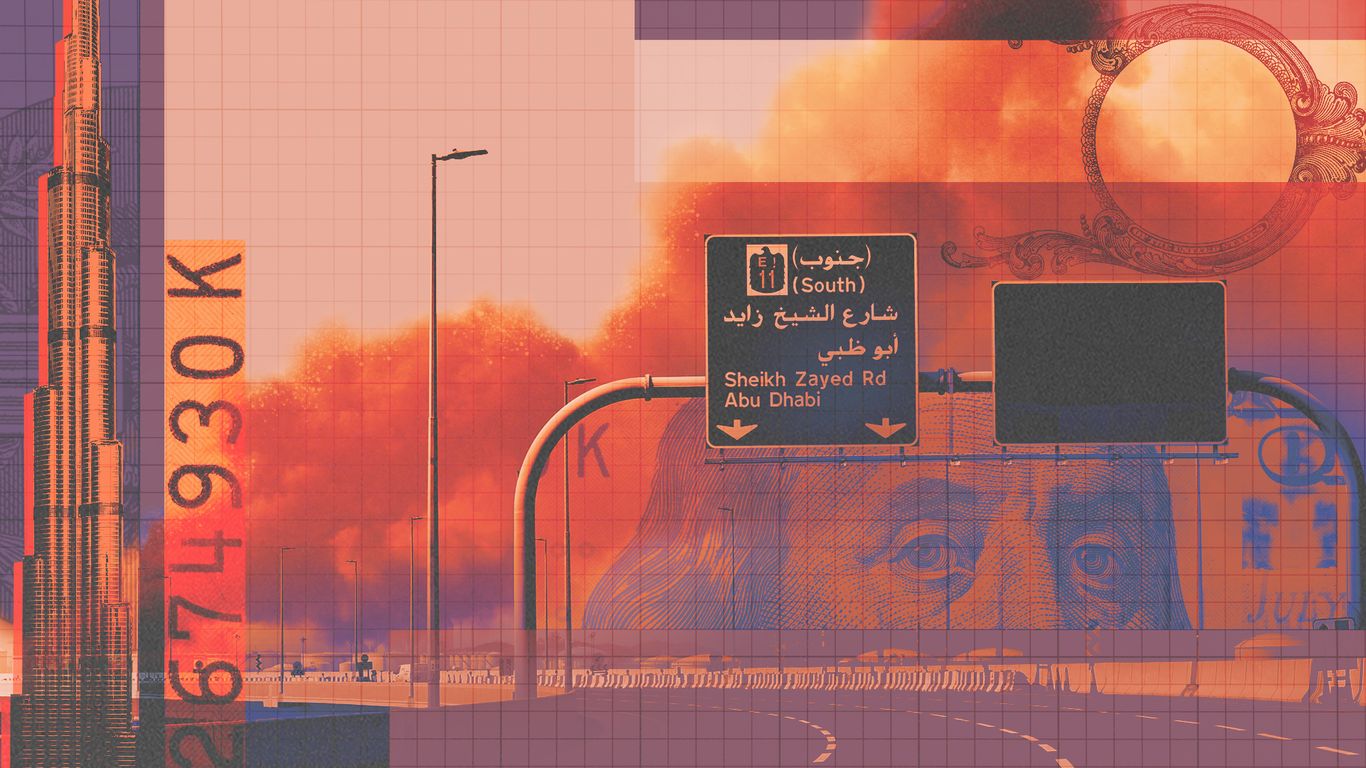
Conflict challenges Dubai’s status as a haven for the wealthy.
Dubai has long been a beacon for wealth and investment in the Middle East, evolving from its oil-centric roots to a diversified economy that attracts ultra-high-net-worth individuals from around the globe. According to recent reports, the city’s luxurious appeal, combined with a favorable tax regime and a secure environment, has solidified its position as a global financial hub.
The Shift from Oil Dependence
Like its neighboring countries, Qatar and Saudi Arabia, the United Arab Emirates has dedicated significant resources to diversifying its economy away from oil dependence. Over the years, the Emirates has utilized trillions in sovereign wealth to bolster its global financial standing. This strategic shift has not only safeguarded the region’s financial future but has also cultivated a thriving environment for business ventures.
Dubai stands out as a model of success in this endeavor, effectively rebranding itself as a premier destination for affluent individuals seeking a luxurious lifestyle. With zero taxes on income, capital gains, and inheritances, the city attracts those looking to establish family offices for wealth management. This transformation has positioned Dubai as a magnet for millionaires, with a reported influx of nearly 10,000 individuals bringing $63 billion in wealth just last year.
A Worrisome New Reality
Historically recognized for its ultra-low crime rates and high personal safety, Dubai has recently faced new challenges. Karen Young, a Middle East Institute senior fellow, notes that Dubai had not previously been a target for military strikes, which makes the current situation unique and concerning. High-profile incidents, such as a fire at the Fairmont the Palm Hotel and strikes on essential infrastructure, have raised alarms among residents and investors alike. Wealthy individuals now grapple with the dual pressures of seeking investment opportunities and maintaining personal safety.
Despite a surge in millionaire relocations, there’s an undercurrent of fear prompting some affluent residents to reconsider their choice to live in Dubai. The very allure that attracted them—the promise of a safe haven—now faces scrutiny amid worries of potential Iranian attacks. With cities like New York and London navigating similar crises in their histories, residents are compelled to reassess their risk tolerance and strategies for securing their assets.
Economic Resilience Amidst Turbulence
Dubai has emerged as a strategic center for investments, with the Dubai International Financial Centre housing around 120 family offices managing approximately $1.2 trillion in assets. Interestingly, while worldwide merger and acquisition activity declined last year, the Middle East has seen an uptick in M&A deals, particularly streams of investment focused on technology sectors like artificial intelligence and data centers.
Furthermore, Dubai has established itself as a key hub for those engaged in these capital-intensive ventures. The city is now home to a growing number of hedge funds and professionals who facilitate Gulf-based deals. Yet, as geopolitical tensions rise, the intricate balance between economic prosperity and personal safety becomes more pronounced.
Conclusion: A Complex Future
As Dubai navigates this multifaceted landscape, the implications of fluctuating oil prices now present a more complicated scenario. While rising rates may have previously signaled economic prosperity for the region, the current geopolitical climate raises uncertainties about their tangible benefits. Karen Young emphasizes that benefits are nullified if critical trade routes, like the Strait of Hormuz, become compromised. In this dual reality of opportunity and risk, Dubai’s next chapter will be defined by how well it adapts to changing dynamics, both economically and socially.