
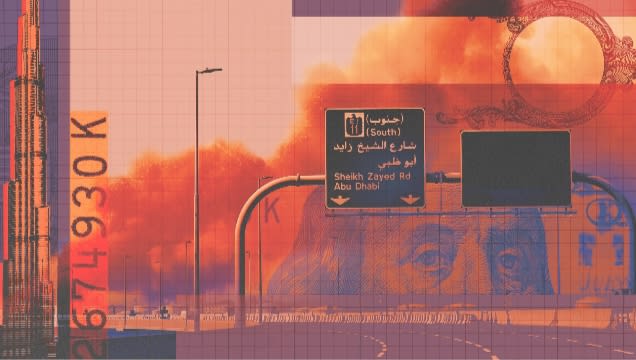
Conflict Challenges Dubai’s Image as a Sanctuary for Wealthy Individuals
Dubai has long positioned itself as a haven for the wealthy, attracting billionaires and high-net-worth individuals from around the world. With its stunning skyline, favorable tax environment, and political neutrality, the city has become a prime destination for those seeking safety, investment opportunities, and a luxurious lifestyle. However, the intensifying conflicts in the Middle East, particularly involving Iran and Israel, are prompting serious questions about Dubai’s ability to maintain its image as a secure refuge amid rising geopolitical tensions.
Transformation into a Wealth Sanctuary
Over the last two decades, Dubai has meticulously crafted its reputation as one of the safest and most inviting destinations for global wealth. Substantial investments in infrastructure, tourism, finance, and real estate have turned it into an economic powerhouse. High-net-worth individuals from regions like Europe, Asia, and the Middle East have invested heavily in luxury accommodations, including upscale apartments and villas, often with breathtaking views of landmarks such as the Burj Khalifa and the Palm Jumeirah.
Beyond its luxurious housing options, Dubai also boasts low taxation, a robust financial services sector, and a strategic geographical position that connects markets in Asia, Europe, and Africa. This unique mix has led many affluent individuals to relocate their assets—and sometimes their families—to Dubai, especially during periods of political instability elsewhere. However, the current unrest in the region poses a risk to this carefully curated image of stability.
Heightened Tensions in the Gulf
Although Dubai itself has so far avoided direct military engagement, the conflict unfolding in the broader Middle East is drawing tensions closer to home. Recent missile exchanges and military confrontations in the Gulf, particularly involving Iran, have raised security concerns that were previously unimagined by the city’s residents. Located near vital trade routes such as the Strait of Hormuz, Dubai’s economic health could suffer if instability disrupts shipping and oil transport, which are crucial to its reliance on international trade, tourism, and air transport.
The ramifications of this geopolitical instability have stirred anxiety among Dubai’s elite. Wealth managers report an increasing number of clients looking into alternative investments, including assets in Europe and Singapore, which are perceived as safer havens. Luxury real estate agents note a surge in interest for compounds and estates that offer enhanced privacy and security. Nevertheless, some investors maintain confidence in Dubai’s leadership to navigate these turbulent waters, pointing to the city’s history of surviving challenges ranging from the 2008 financial crisis to the COVID-19 pandemic.
The Impact on Investment and Tourism
Alongside security worries, the ongoing conflict is also influencing financial markets and investment approaches. The specter of disrupted oil shipments has led to rising energy prices, affecting everything from airline operations to global shipping logistics. As Dubai’s economy is closely tied to international business, it remains vulnerable to geopolitical volatility. While some economic analysts believe that instability elsewhere may even redirect investments toward Dubai, emphasizing its established financial infrastructure, others warn of the potential for wider impacts on the emirate’s economy.
Despite these concerns, Dubai continues to draw tourists, with its luxury hotels and attractions remaining popular among international visitors. The tourism sector is vital to the local economy, making it essential for the city to uphold its reputation for safety. While travel patterns have remained largely steady, officials are closely monitoring the regional situation to ensure that any emerging perceptions of instability do not impact visitor numbers.
As the Middle East conflict poses ongoing challenges, Dubai faces a test of its global brand. For years, it has projected itself as a place where wealth and opportunity flourish despite surrounding turmoil. The current crisis will not only measure the city’s resilience but also determine whether it can maintain its status as a global sanctuary for wealth.
In the face of uncertainty, the future effects of this conflict remain to be seen. If tensions escalate, even stable regions like Dubai could feel the strain. Conversely, should a diplomatic resolution emerge, the city could reinforce its position as a resilient financial center adept at managing regional challenges. For now, Dubai persists with its bustling energy, yet the winds of regional conflict remind us that even the most glamorous of safe havens cannot entirely evade geopolitical realities.