
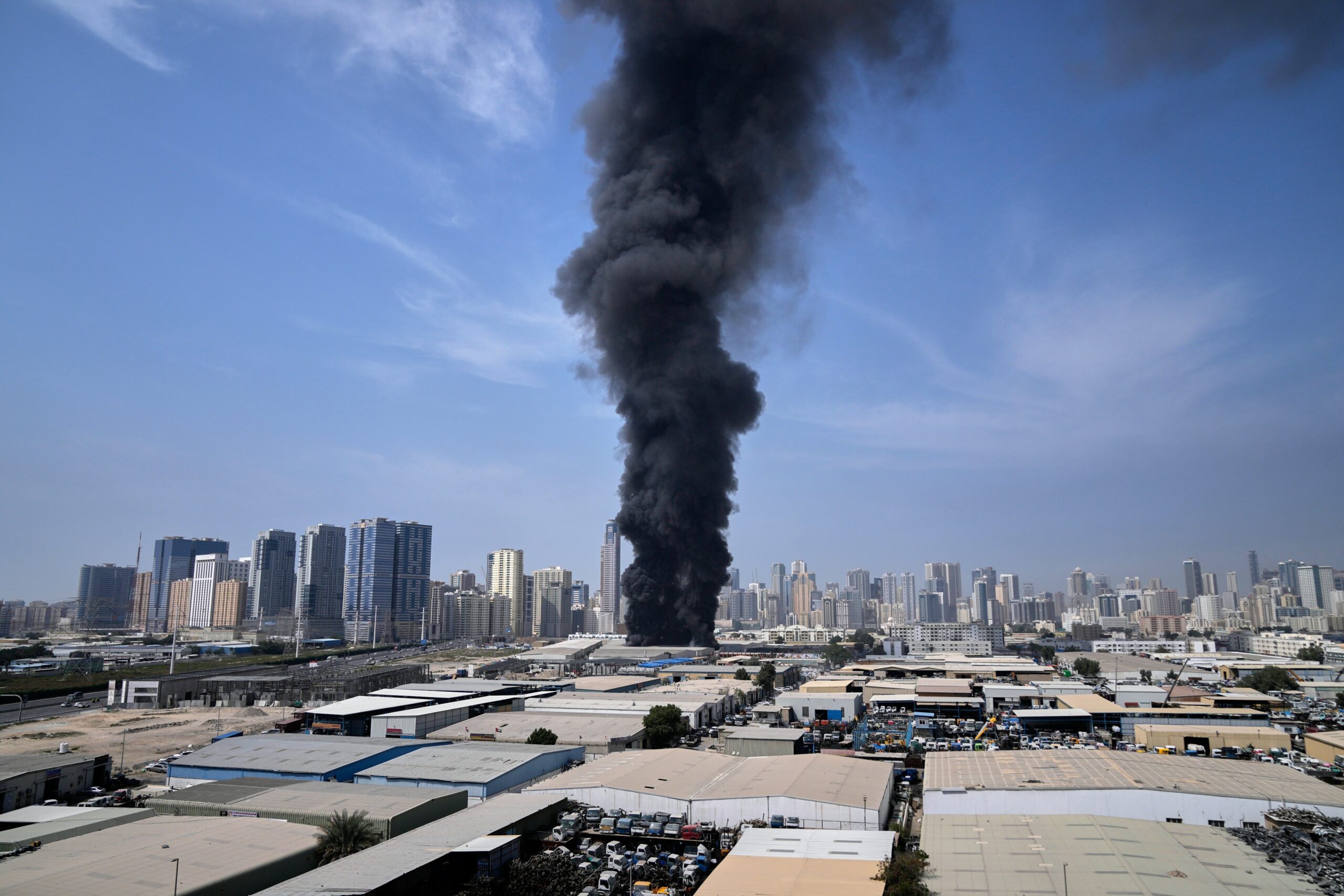
Cayman Companies in Dubai Unaffected by Iran Conflict So Far
Recent destabilization in the Middle East has raised concerns over Dubai’s financial landscape. Despite Iranian missile strikes impacting the UAE and seemingly disrupting the region’s stability, financial firms in Dubai appear to be maintaining their operations with business continuing as usual. This resilience underscores the region’s long-standing ability to withstand geopolitical tensions.
Operational Stability Amidst Tensions
Financial institutions in Dubai have exhibited remarkable perseverance in the face of escalating tensions. Ingrid Pierce, the global managing partner of Walkers, a prominent legal and financial firm, emphasized that operations remain steady, even as staff have shifted to remote work due to government advisories for residents to shelter in place. “The DIFC [Dubai International Financial Centre] Registrar is operational, allowing for business continuity despite the situation,” Pierce noted.
Tim Furey, CEO of Tradeview Markets, echoed similar sentiments, stating that his firm has experienced no disruptions to operations. Both executives highlighted that many residents of Dubai are accustomed to navigating bouts of geopolitical instability, allowing them to sustain a focus on their respective business activities.
Local Resilience and Economic Implications
The residents of Dubai, comprising locals and long-term expatriates, possess a strong sense of resilience shaped by past experiences with regional turmoil. “People here have faced various challenges in terms of geopolitical issues and have developed a strong sense of fortitude,” said Pierce. Furey added that despite the chaos overhead, life continues relatively undisturbed, with locals enjoying everyday activities, thereby showcasing the region’s indomitable spirit.
Speculation about the potential erosion of Dubai’s reputation as an international financial hub has emerged, particularly due to the intensity of Iran’s recent attacks. Commentators like Allison Minor have expressed concerns that the UAE’s hard-earned reputation as a “stability oasis” might be jeopardized. Nonetheless, Pierce reminds stakeholders that it remains premature to draw conclusions about the long-term effects of the ongoing conflict.
Investment Insights and Market Reactions
Market reactions to the conflict can also present unique opportunities for investors. Furey pointed out that increased volatility in markets typically generates active trading, particularly among the day traders that Tradeview serves. “Despite uncertainties, fluctuations create engaging conditions for traders, leading to a rise in capital inflows,” he remarked.
Meanwhile, broader financial strategies may not witness immediate shifts, particularly among long-term investors. Those involved in securities or commodities may be analyzing their positions but remain reluctant to make drastic portfolio changes given the investments’ durations. The extent of potential detriment from the conflict hinges on its duration, with Furey expressing optimism based on current market trends that suggest a timeline of one to two months for the situation.
In conclusion, Dubai’s resilience in the face of escalating regional tensions is a testament to the robustness of its financial infrastructure. As the immediate impact of geopolitical instability unfolds, stakeholders remain cautiously optimistic about the city’s capacity to weather this storm and emerge resilient once again. The message is clear: while uncertainty looms, Dubai’s strategic importance as a financial hub is unlikely to wane significantly in the near term.