
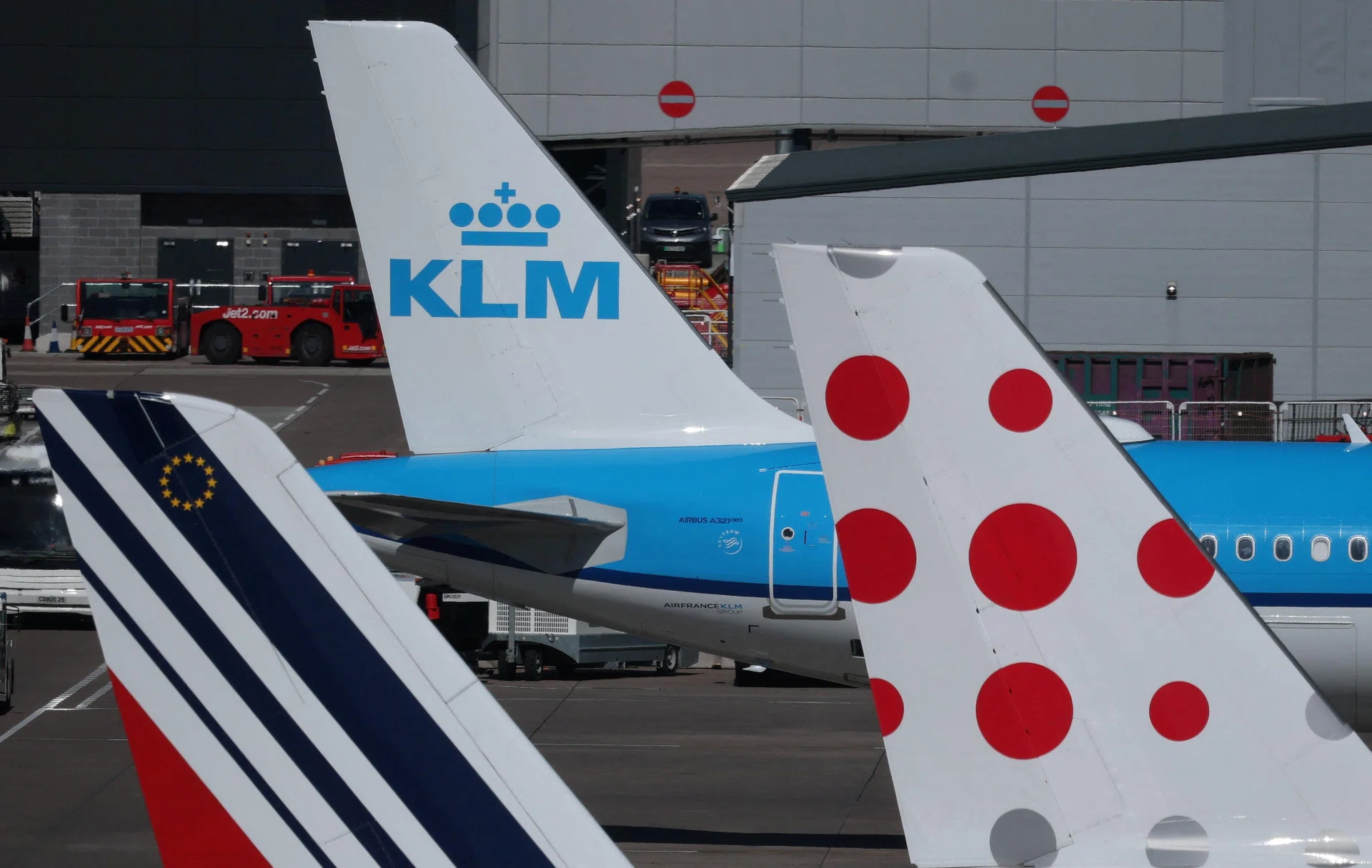
Airlines restart select Middle East flights amid ongoing disruptions.
In the world of logistics and transportation, many carriers continue to face challenges that lead them to maintain service suspensions. This ongoing situation affects numerous sectors and emphasizes the need for businesses to stay informed and adaptable.
The Current Landscape of Carrier Suspensions
In recent months, various logistics providers have opted to suspend certain services, primarily due to ongoing supply chain disruptions. These suspensions can stem from factors such as labor shortages, increased operational costs, and regulatory changes. Companies reliant on these carriers often grapple with delayed shipments and increased costs, resulting in a ripple effect through numerous industries. Understanding these dynamics is essential for businesses to navigate the turbulent environment successfully.
Impact on Businesses
The ramifications of carrier suspensions are significant. Businesses that depend on timely deliveries may find themselves facing inventory shortages or delays in meeting customer demands. As a result, companies are urged to explore alternative logistics solutions. These might include seeking out new carriers, diversifying shipping options, or even leveraging technology to optimize their supply chain management. Adopting a proactive approach can mitigate some of the negative impacts associated with these service interruptions.
Strategies for Adaptation
To thrive amid ongoing suspensions and disruptions, businesses should develop robust contingency plans. This might involve building relationships with multiple carriers to ensure continuity of service, or investing in technology that provides real-time tracking and inventory management. Additionally, fostering strong communication with suppliers can help businesses anticipate potential disruptions and formulate effective responses. By being prepared, companies can maintain operational efficiency, even when faced with unforeseen challenges.
The Road Ahead
As the logistics landscape continues to evolve, businesses must remain agile and responsive to changes. It is crucial to stay updated on the decisions made by carriers and be ready to pivot as needed. The current suspensions may eventually lead to a restructuring of how logistics services are offered and utilized. Companies that embrace flexibility and prepare for ongoing challenges stand to gain a competitive advantage in the long run.
In conclusion, the ongoing carrier suspensions highlight the need for businesses to adopt a strategic approach to logistics. By recognizing the challenges posed by these suspensions and implementing effective strategies, companies can navigate this complex environment more effectively. Strengthening relationships with diverse partners, investing in technology, and maintaining open communication are essential steps toward ensuring resilience in today’s logistical landscape.