
Is This Your Final Opportunity to Purchase Dubai Real Estate Before Prices Rise Again?
Dubai’s property market has witnessed extraordinary growth in recent years, making it a hotspot for global investors. With rising property prices, favorable tax conditions, and attractive rental yields, Dubai has captured the attention of many. However, as geopolitical tensions in the Middle East escalate, potential buyers are beginning to reassess their investment strategies.
Record-Breaking Activity in Dubai’s Real Estate Market
In 2025, Dubai’s real estate market achieved historic levels, with property transactions reaching approximately AED 917 billion, or around $250 billion. This remarkable year saw over 270,000 deals completed. A significant portion of the activity stemmed from residential real estate, with about 200,000 housing transactions worth roughly AED 538 billion. This surge indicated a robust return of investors to the market following the pandemic.
Prices in many neighborhoods have seen astonishing growth, climbing between 60% and 75% since 2021. Analysts attribute this price surge to a combination of strong global demand and targeted policy decisions aimed at enticing international investors. Initiatives like long-term residency visas and favorable regulations have successfully attracted entrepreneurs and high-net-worth individuals to the city. As Faisal Durrani, head of Middle East research at Knight Frank, notes, Dubai’s appeal extends beyond mere financial returns; its safety, rule of law, strong infrastructure, and quality education make it an attractive place to live and invest.
The Impact of Geopolitical Uncertainty on Investor Behavior
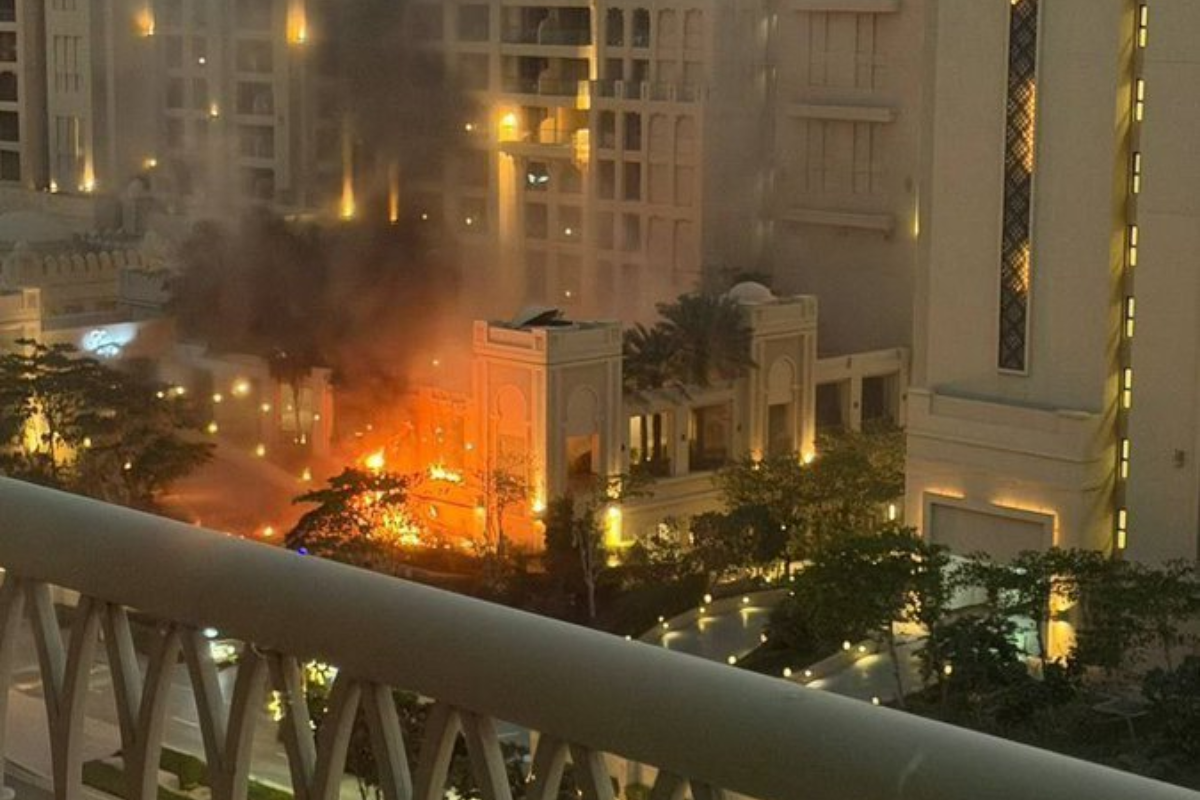
Despite its enduring fundamentals, recent geopolitical tensions in the region have injected a measure of uncertainty into the market. Reports of missile and drone activity across parts of the Middle East have particularly unnerved international buyers who may be less familiar with the region’s dynamics. The psychological impact of such events can be profound. According to Dan Hayes, a Dubai resident, witnessing missile activity can overshadow all other financial considerations, prompting a desire for safety.
Market analysts suggest that while geopolitical events often disrupt market sentiment, they don’t necessarily lead to immediate price corrections. As Prashant Thakur from ANAROCK points out, investors may decide to delay purchases as they keep an eye on developments. This cautious behavior may result in slower deal-making within the market. In the meantime, some buyers are opting for a “wait and see” approach, while others are looking for price negotiations or additional incentives from developers.
Mid-Market Properties Face Increased Negotiation Pressure
The mid-market housing segment may be the first area to exhibit signs of a slowdown. Properties priced between approximately $330,000 and $880,000, which often attract international investors seeking rental income, might experience more intense negotiations as buyers become increasingly selective. Amit Goenka, chairman of Nisus Finance, indicates that as investor caution rises, discussions around pricing are likely to intensify. Additionally, luxury properties may also see a temporary decline as affluent buyers put off major purchases until the geopolitical landscape clarifies.
Tourism and Rental Demands as Market Drivers
Dubai’s property market is intricately linked to its tourism sector, which significantly influences demand for short-term rentals and hospitality assets. The Middle East tourism sector contributes an estimated $367 billion annually to the regional economy. Should prolonged regional instability deter travelers, projections suggest a potential decline of 23 million to 38 million visitors, leading to a drop in tourism revenues ranging from $34 billion to $56 billion. Such a downturn could impact short-term rental markets first. However, it’s important to recognize that Dubai’s property market isn’t solely reliant on tourism; its large expatriate workforce continually supports a steady demand for long-term housing.
In conclusion, while Dubai’s property market has long been characterized by cycles of booms and busts, the current phase presents both challenges and opportunities. Investors must navigate geopolitical uncertainties while keeping a close eye on market trends. The key question remains whether this cautious sentiment signals a temporary pause or the onset of a new cycle in one of the world’s most dynamic real estate markets.