
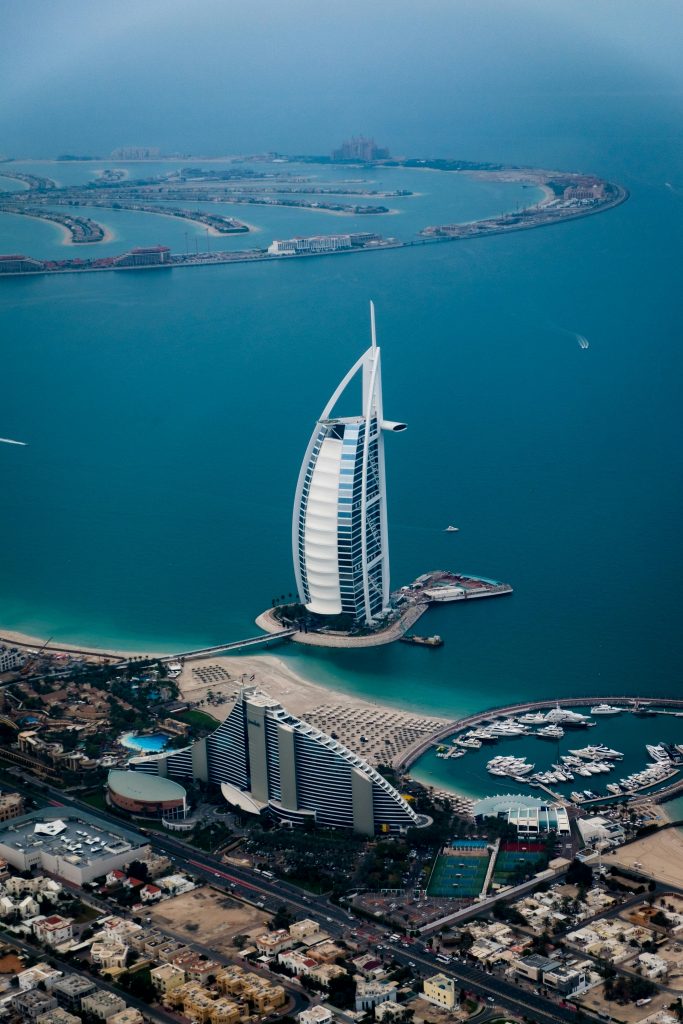
Impact of Iran Conflict on Dubai’s Economic Framework
Dubai has established itself as a beacon of stability in the Middle East, attracting businesses and expatriates alike. The emirate has undergone a remarkable transformation over the past three decades, evolving from a modest trading post into a global commercial powerhouse. Its appeal lies in its predictability, marked by low taxes, outstanding infrastructure, and a prime geographical location bridging East and West. However, the ongoing Iran conflict poses unprecedented challenges to this carefully constructed image of safety and reliability.
The Initial Impact of the Iran Conflict
The onset of the Iran war brought immediate signs of stress to Dubai. Early reports indicated air defense systems were activated as blasts echoed through the city. In response, passengers at the bustling Dubai International Airport, the world’s busiest by traffic, were hurried into underground train tunnels. This reaction starkly highlighted the vulnerability of a city built on openness and connectivity. The immediate psychological effects on both residents and visitors are profound, potentially overshadowing the physical impact of the conflict for months to come.
Dubai International Airport facilitates over 85 million travelers each year and serves as a vital hub for Emirates Airlines. As tensions escalate, the aviation and travel sectors may face significant disruptions. The ripple effects on business travel, tourism, and regional connectivity could linger long after the physical conflict subsides, undermining the very essence of Dubai as a global nexus.
The Human Dimension: Residents and Expats
Home to about 3.5 million individuals, with over 90% being expatriates, Dubai has fostered a multicultural environment where professionals from various backgrounds have set up lives, businesses, and families. The city’s attractive tax benefits and high quality of life made it an appealing choice for many. However, with the ongoing conflict, residents are now witnessing unsettling events from their homes, prompting urgent discussions about safety and contingency plans among expatriate communities. Conversations about relocation are increasing as families and individuals reassess their options.
Moreover, potential newcomers who had been eyeing Dubai as their future home are now heavily weighing their decisions. The allure of the Gulf for international talent has been a significant economic trend in recent years, but the uncertainty brought on by the nearby conflict has altered the calculus for many who remain undecided. A prolonged conflict could slow the influx of talent, which is vital for the emirate’s continued growth.
Logistical and Economic Vulnerabilities
Dubai’s status as a premier trading and logistics hub is directly threatened by the wartime situation in Iran. The critical Strait of Hormuz, through which a significant portion of the world’s oil supply is transported, borders the UAE. Disruptions in tanker traffic have ripple effects on the flow of goods through Dubai’s ports, affecting both energy deliveries and broader commodity exchanges. Fujairah, a key oil storage and logistics center in the UAE, has already been impacted. These disruptions expose Dubai’s logistics networks to vulnerabilities that could hinder its economic performance.
Challenges Ahead: Future Stability and Wealth Retention
In recent years, Dubai has become a top choice for high-net-worth individuals, drawn by its promise of relative security amid regional instability. The influx of billionaires and wealthy expatriates has depended on the perception of Dubai as a safe haven. However, the unsettling nature of the ongoing conflict is already calling that narrative into question. Investors and affluent individuals tend to make long-term decisions about their locations but are quick to reassess when safety becomes a pressing issue.
In response to these challenges, the UAE government has adopted a calm and diplomatic approach, prioritizing neutrality and avoiding direct military involvement. Although this strategy has served Dubai well in normal circumstances, the current conflict’s proximity and intensity demand new assessments. With no clear end in sight, the ramifications for the economy and the expatriate community in Dubai are likely to deepen in the weeks and months to come. While the emirate has weathered past storms, the current situation is a formidable test of its resilience and appeal.