
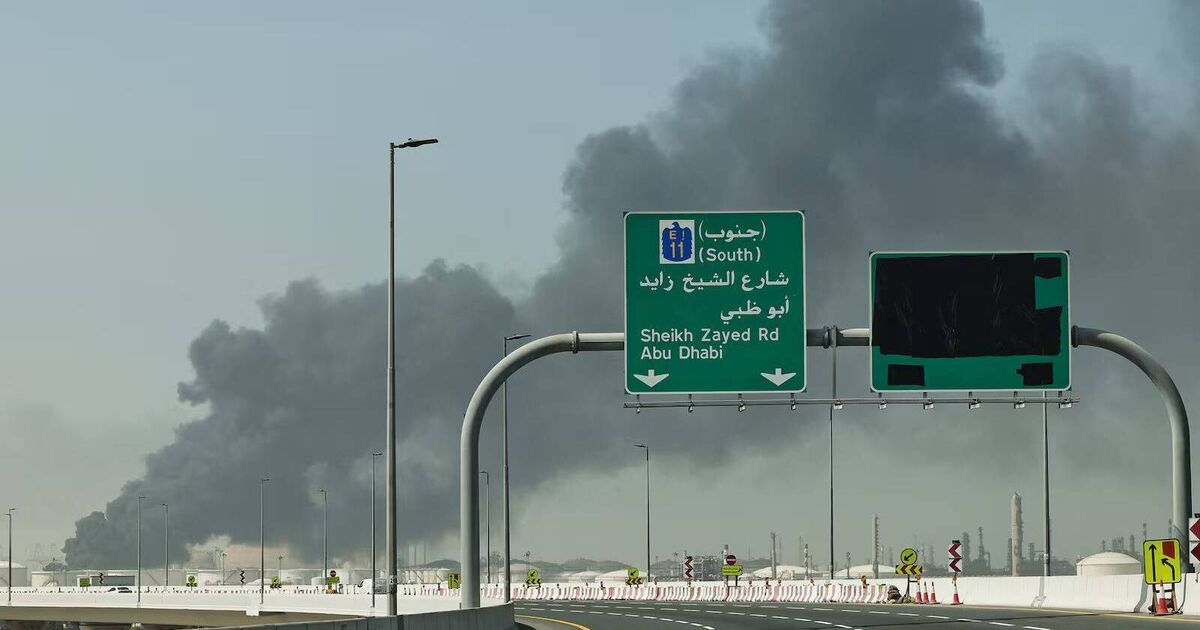
Dubai influencer’s serene facade reveals underlying tension after missile strikes.
Dubai, a city synonymous with luxury and extravagance, finds itself at a crossroads as geopolitical tensions escalate in its surrounding region. Beneath the surface of its glitzy façade lies an intricate relationship between perceived safety and the economic model that sustains its thriving tourism and real estate sectors. If the illusion of security falters, what happens to the brand that Dubai has carefully built over the years?
The Illusion of Safety
Echoing the reassuring tones of military leaders before conflict, Dubai’s influencers and officials project an image of stability, complete with luxurious brunches and idyllic beachfronts. Yet the growing threat of regional conflict introduces a dissonance. The very elements that attract visitors—towering skyscrapers, lavish resorts, and extravagant lifestyles—risk becoming overshadowed by the reality of missile threats and evacuation orders. In a city where satisfaction is paramount, the illusion of invulnerability is essential; it attracts global citizens who desire escape and luxury. But if this perception crumbles, the foundation of its economy might also collapse.
Behind the Glittering Facade
Beneath its modern skyline, Dubai’s wealth is paradoxically constructed on a system that many deem exploitative. Much of its growth can be attributed to migrant labor, primarily from South Asia and Africa, working under conditions often described in stark and troubling terms. About 90% of the UAE’s population comprises these workers who often endure harsh treatment, low wages, and a type of economic servitude known as the kafala system. This arrangement can restrict workers’ freedom and ties their residency to their employers, creating environments akin to modern-day slavery. As summer temperatures soar, construction continues, and the glittering towers rise—unseen struggles underpin the city’s shimmering wealth.
The Cost of Perception
While influencers showcase lavish brunches and rooftop views, they often overshadow the less glamorous realities of those who sustain the luxurious lifestyle. Teachers, nurses, and service providers inhabit a precarious space, witnessing the vast inequalities of their environment without reaping its rewards. This dynamic, where the mechanics of wealth remain just out of sight, fosters a false narrative that prosperity exists independently. However, as geopolitical tensions threaten, this carefully constructed facade faces unprecedented scrutiny. The potential for conflict jeopardizes the stability that has made Dubai a magnet for expatriates and investors alike.
A Possible Shift in Purpose
As war looms closer, Dubai finds itself in a precarious position where its survival depends on reevaluating its integrations with global power dynamics. The emirate has historically thrived by maintaining distance from regional volatility. Should that distance diminish, a crisis could force its leadership to engage diplomatically in ways unimagined before. In confronting the possibility of losing its luster, Dubai’s attractive qualities may morph from mere opulence to vital instruments of geopolitical negotiation.
In the shadow of looming conflict, Dubai’s response may ultimately shape broader regional narratives. If the city becomes more than a luxury playground, leveraging its influence to promote stability, it could ironically step into a role as a mediator. The pursuit of self-interest might yield unexpected outcomes that benefit others, even as it aims to preserve its own façade.
In conclusion, the glittering metropolis of Dubai stands at a pivotal juncture, where the interplay of luxury, labor, and the threat of war converge. As it navigates this impending crisis, the evolution of its identity may surprise us all, perhaps redefining its meaning in the larger narrative of global stability.