
Dubai Residents Train Toddlers for Safety Amid Iranian Attacks
As the conflict escalates, life in Dubai reflects a juxtaposition of normalcy and crisis. Many residents find themselves caught between leisure activities and safety precautions, humorously summarizing their choices in the phrase: “Those off to play padel, those rushing to the Omani border, and those waiting for house prices to decline.” This situation encapsulates the city’s mood as it grapples with the unexpected fallout from a wartime atmosphere.
Everyday Life Amidst Tension
Day seven of the ongoing war saw residents maintaining their routines—joggers having their morning runs and families enjoying park outings. However, this typical scene was harshly interrupted by the unsettling sound of emergency alarms blaring through mobile devices. Alerts warning of incoming missiles urged residents to seek shelter and avoid windows, a reality that has transformed daily life. The necessity to educate even the youngest members of society on how to respond to these alarms has led to a deeply unsettling normality.
Witnessing children become cognizant of war sounds, reminiscent of experiences in conflict zones like Ukraine, is a profound phenomenon unimaginable in a city known for its safety. The United Arab Emirates (UAE) is now contending with a bizarre duality: maintaining a semblance of normalcy while under daily attack.
Defending the Nation
The recent conflict has compelled the UAE to defend its citizens and its lifestyle in ways that were previously inconceivable. Over the past week, Iran has launched an unprecedented number of drones and missiles aimed at the UAE, surpassing attacks on even Israel. Targeting a global city known for its luxury hotels and vibrant atmosphere aims to generate shock and media attention, but the reality is striking fear into the hearts of residents and visitors alike.
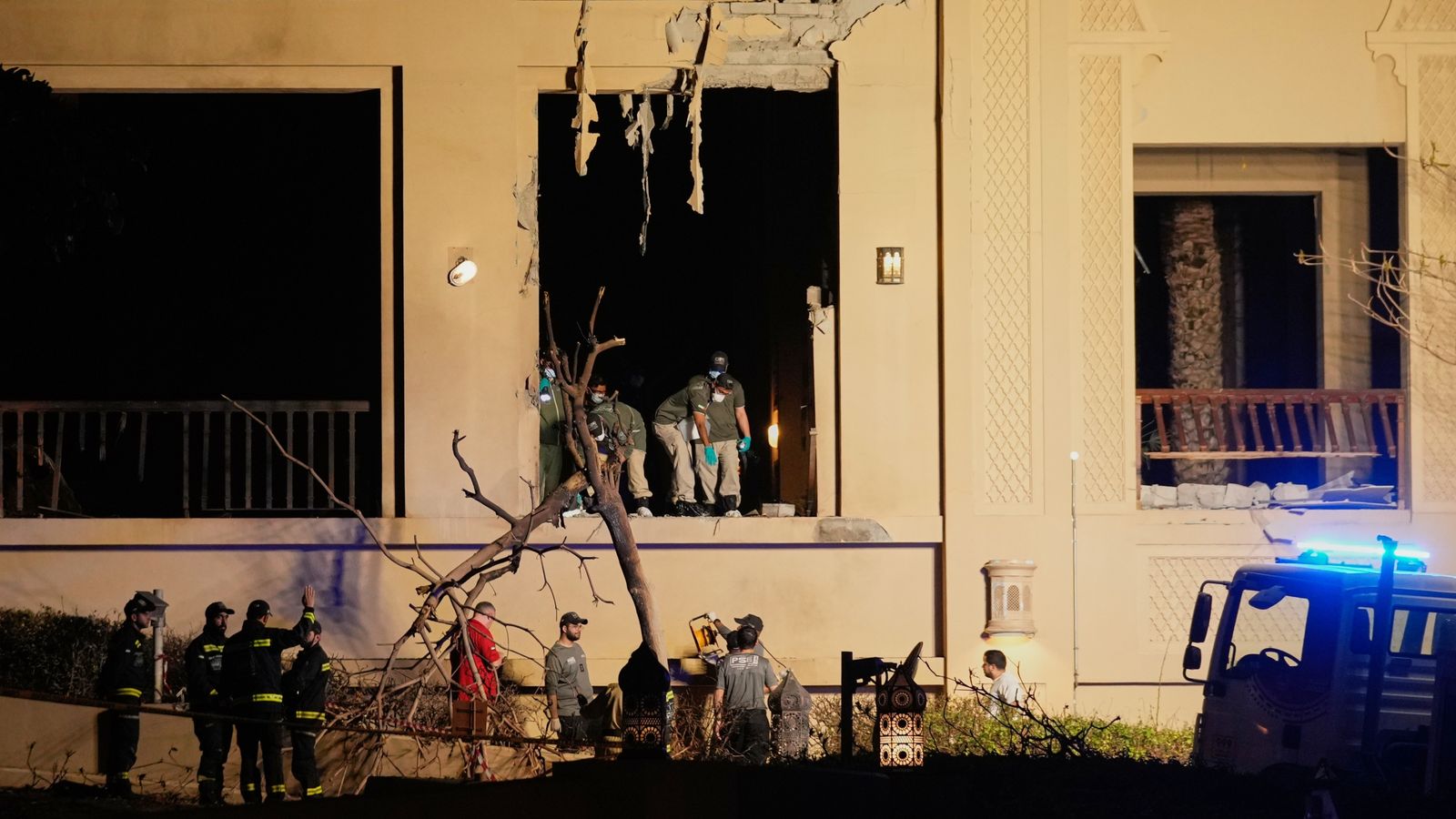
The UAE, once perceived as a safe haven, now faces an ongoing crisis as tensions escalate. The military base in Abu Dhabi was traditionally considered a lower-priority target due to the region’s larger U.S. military assets. However, recent attacks have proven this assumption wrong, with over 200 ballistic missiles and nearly 2,000 drones launched against the country in just a week. The damage is severe, with two missiles and numerous drones penetrating defenses, resulting in casualties and injuries.
Impact on Residents and Visitors
The current situation has led to widespread anxiety among residents. Many community WhatsApp groups are alive with frantic discussions about escape routes and flight information to Oman, as people seek ways to exit. Some have driven to neighboring Saudi Arabia, while others face the challenge of reuniting with family members stranded in various locations. The chaos has left many holidaymakers in a state of disbelief, navigating a nightmare holiday that began with leisure and has transitioned into turmoil.
Stranded tourists are grappling with feelings of abandonment as governments, including the UK, have struggled to provide timely evacuation options, leaving thousands in limbo. The psychological toll is considerable, and even when flights are secured, the mere prospect of witnessing incoming missiles has made this experience surreal for many.
As the conflict continues, the repercussions on Dubai’s esteemed reputation as a secure lifestyle destination are undeniable. The heightened military response may influence housing markets as residents reassess their safety and quality of life.
In conclusion, the journey ahead is uncertain for both Dubai and its inhabitants. The longer this conflict persists, the more its impact will define the city’s future. The UAE is demonstrating resilience, showing that it can defend itself during turbulent times, reflecting the strength of a community unprepared for war yet ready to stand firm in the face of adversity.