
South Asians’ Dubai aspirations now in ruins.
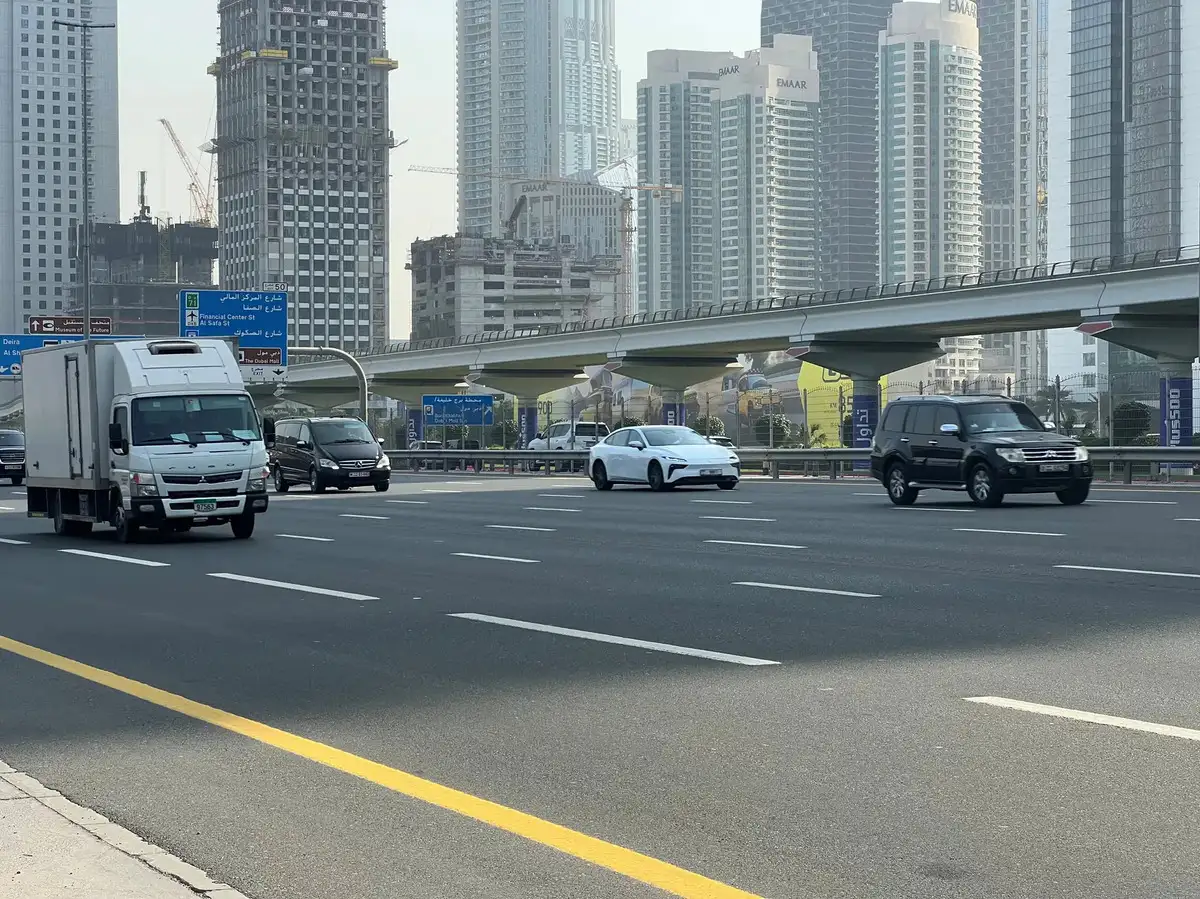
Dubai has long represented a dream destination for many South Asians—a symbol of prosperity and opportunity. However, recent events have shattered that pristine image, particularly following the outbreak of conflict in the region. The stark visuals coming from Dubai—fires near famous landmarks and eerily vacant streets—have prompted a reassessment of what the city signifies.
The Shattering of an Illusion
For countless individuals in South Asia, especially those familiar with Dubai, images of destruction resonate deeply. This city, often seen as a safe haven from regional instability, now finds itself in the crosshairs of geopolitics. The initial shock stems not from the actual damage—minimal in the grand scheme—but from how quickly the perception of safety has been upended. Dubai has always exuded an air of invulnerability; it stands as a beacon of progress amidst the unsettling realities of the broader Middle East. Yet, as we witness its vulnerabilities, the romanticized notion of Dubai is vulnerable as well.
The Complex Nature of Dubai
Skepticism about Dubai is not uncommon. Visitors and residences often point out its artificiality and exclusivity. Many foreigners, particularly South Asians, feel a disconnect given the restrictive citizenship policies and rigid social hierarchies that govern the Emirate. Recent arrivals, including social media influencers and opportunistic investors, complicate local dynamics. This group often stands in stark contrast to the hardworking migrants who contribute significantly to the city’s economy but come from far less privileged backgrounds.
Amidst the spectacle of glitz and modernity are the working classes who keep the city functioning. For many from India and Pakistan, Dubai represents not just a place to visit but a landscape where they can thrive. Approximately half of the population comprises South Asians; for many, this city feels like home even if it is imperfect.
A Haven for Aspiration
The allure of Dubai extends beyond mere employment. For the Indian middle class, it embodies a hopeful vision of urban life—one that mitigates some of the systemic issues present in cities like New Delhi or Karachi. In Dubai, the efficient infrastructure, despite its undemocratic governance, provides a stark contrast to the challenges faced in South Asia. Many would rather navigate the complexities of second-class citizenship in Dubai than grapple with the limitations of their home countries.
The appeal is similarly compelling for the economically disadvantaged. In Dubai, thousands board flights daily with aspirations of escaping poverty, believing that this city can offer them more than their home economies ever could. This is a city where dreams of prosperity feel attainable, a stark difference from the constraints and problems they face back home.
The Political Reality
However, recent events have revealed a crucial truth: Dubai is not impervious to political forces. While the UAE has skillfully navigated complex international relations, the current turmoil exposes it to the vulnerabilities that many South Asian countries share. A realization dawns: Dubai, once an icon of escape from the upheavals that plague the region, is not immune from them.
The aftermath may see Dubai return to its semblance of normalcy, but the shift in perception is undeniable. For many South Asians, the dream of a detached paradise may now feel more like a distant memory. As we process these changes, it’s essential to acknowledge that Dubai, in many ways, mirrors the struggles faced by South Asians—caught in the delicate balance of aspiration and the harsh realities of geopolitics. This shift may end the illusion of Dubai as an oasis far removed from the regional complexities, revealing it instead as a reflection of the geopolitical landscape it cannot transcend.