
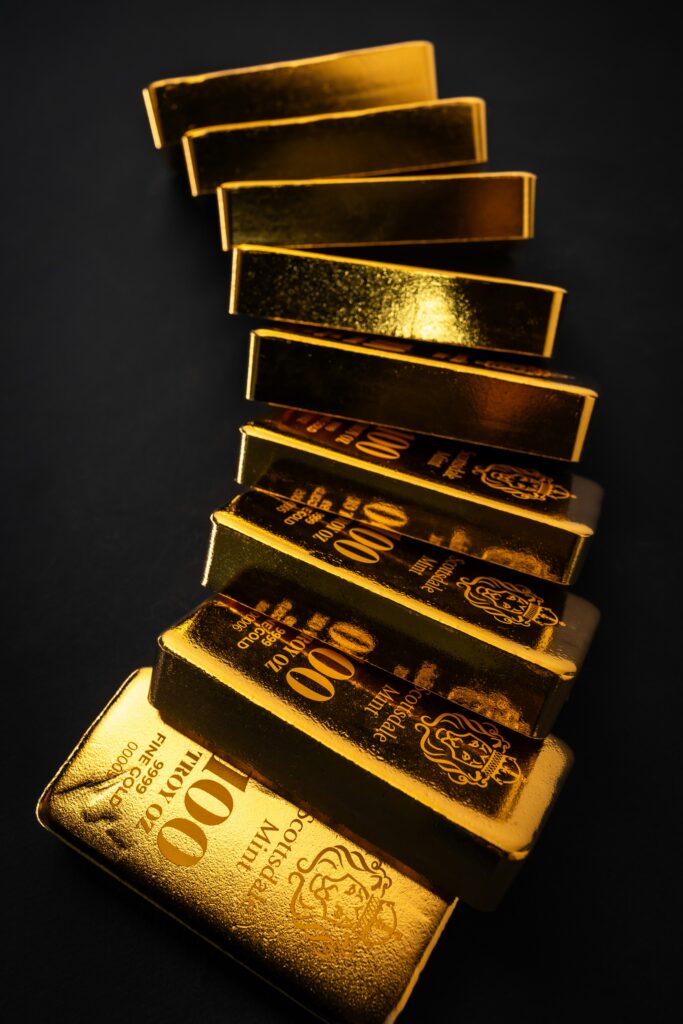
Iran War Disrupts Dubai’s Gold Supply: 20% Global Impact
With its strategic location and economic prowess, Dubai plays a significant role in the global gold market. Handling nearly 20% of the world’s gold flows, the city has become a trading hub for precious metals. However, recent geopolitical events, such as Iranian military actions, have disrupted the supply chains, affecting the flow of gold in and out of the Gulf region.
The Impact of Geopolitical Tensions on Gold Trade
Geopolitical instability invariably affects global markets, and the gold industry is no exception. Recent strikes by Iranian forces have led to the grounding of flights across the Gulf. This disruption has created significant delays for gold shipments, affecting traders and consumers alike. As the golden commodity remains a safe haven for investors during turbulent times, any disturbance in its supply chain can lead to increased volatility and heightened premiums in various markets.
Furthermore, the grounding of flights has left many bullion shipments stranded, exacerbating the situation. Speculators and traders, particularly in Asia, have noted increased demand for gold during these troubling times, leading to sharp increases in premiums. Investors are keen to acquire gold as a protective measure against economic downturns, making the supply crunch even more pronounced.
Asian Market Response to Supply Disruptions
In light of these challenges, Asian markets have responded dynamically. The demand for gold has surged, pushing premiums to record levels as buyers compete for limited supplies. Countries in Asia, recognizing gold as both a hedge against inflation and a long-term investment, are seen scrambling to secure their holdings. This surge in premiums also indicates a broader trend towards gold as a reliable asset, especially amidst uncertainty in other financial markets.
When external factors disrupt supply channels, the immediate market response often results in price hikes. Investors are willing to pay a premium to secure their investments, indicating strong confidence in gold’s enduring value. As a result, traders in Dubai and across the region are working diligently to navigate these challenges, adapting to the evolving landscape of the global gold trade.
Future Outlook for Gold in Dubai and Beyond
The future of gold trade in Dubai remains intricate yet promising. While current geopolitical tensions pose significant challenges, they also highlight the enduring appeal of gold as a safe haven asset. As Dubai continues to be a key player in the gold market, the city must adapt to changing conditions while maintaining its position as a leading trading hub.
To sustain this role, local and international stakeholders must invest in improving supply chains and logistics. Enhancing infrastructure and fostering stable diplomatic relations are crucial for mitigating the adverse effects of geopolitical turmoil. Furthermore, a proactive approach to market trends and consumer demands could help Dubai preserve its status in the global gold market.
In conclusion, Dubai’s critical role in global gold flows is increasingly influenced by geopolitical events. While disruptions from Iranian strikes have led to higher premiums and strained supply chains, the city’s resilience and adaptability will determine its future in the gold trade. Investors and traders alike remain vigilant as they navigate these complexities, reinforcing the notion that gold will continue to be a sought-after asset in uncertain times.