
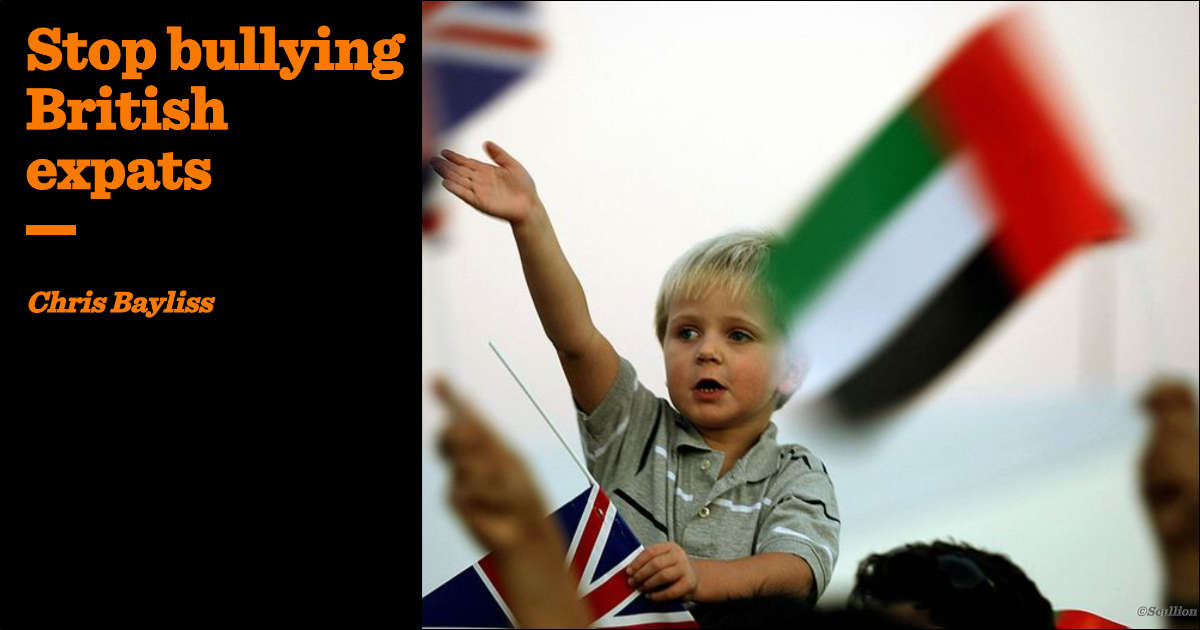
Protect British Expats from Bullying | Chris Bayliss
The world is witnessing significant geopolitical shifts, particularly involving the US, Israel, and Iran. As tensions rise, it becomes crucial to understand the complexities of the situation and the potential consequences.
Understanding the Current Geopolitical Climate
The landscape in the Middle East is marked by a series of dramatic developments. The alignment between the US and Israel indicates a strong possibility of efforts aimed at weakening Iran’s influence in the region. For years, Iran has engaged in activities that threaten stability, prompting a response from its adversaries. The partnership between Washington and Tel Aviv highlights a coordinated approach to counter Iran’s regional aspirations, suggesting a pivotal moment in the ongoing strain between these nations.
The Implications for Regional Stability
As Iran responds to these developments, one must consider the broader implications for regional stability. The Iranian government has a history of employing aggressive tactics to assert its power. Should the current tensions escalate, the ramifications could extend beyond the immediate adversaries, potentially influencing neighboring countries and their political dynamics. A destabilized Iran could lead to increased conflicts, further complicating an already intricate web of alliances and rivalries in the Middle East.
Potential for Diplomatic Solutions
While military action may seem imminent, exploring diplomatic avenues is critical. Engaging in dialogue can provide a way to de-escalate tensions and foster understanding between opposing sides. International powers, including the European Union, could play a significant role in mediating discussions. Constructive diplomacy may not only aid in addressing the current predicament but could also pave the way for a long-lasting peace framework in the region.
The Role of Public Opinion and Expat Communities
Public sentiment can significantly impact international relations. In countries like the UK and the US, citizens and expatriates often voice their opinions on foreign policies through protests and social media campaigns. These expressions can pressure governments to reconsider their strategies toward Iran and influence how they approach the evolving situation. As members of the global community engage in discussions about these geopolitical issues, their perspectives may play a crucial role in shaping the narrative and driving change.
In conclusion, the rising tensions involving the US, Israel, and Iran signify a critical juncture in international relations. Understanding the complexities of these interactions is vital for anticipating future developments and their potential impacts on regional and global stability. Both diplomatic efforts and public engagement will be crucial in navigating this intricate scenario and striving for a balanced resolution.