
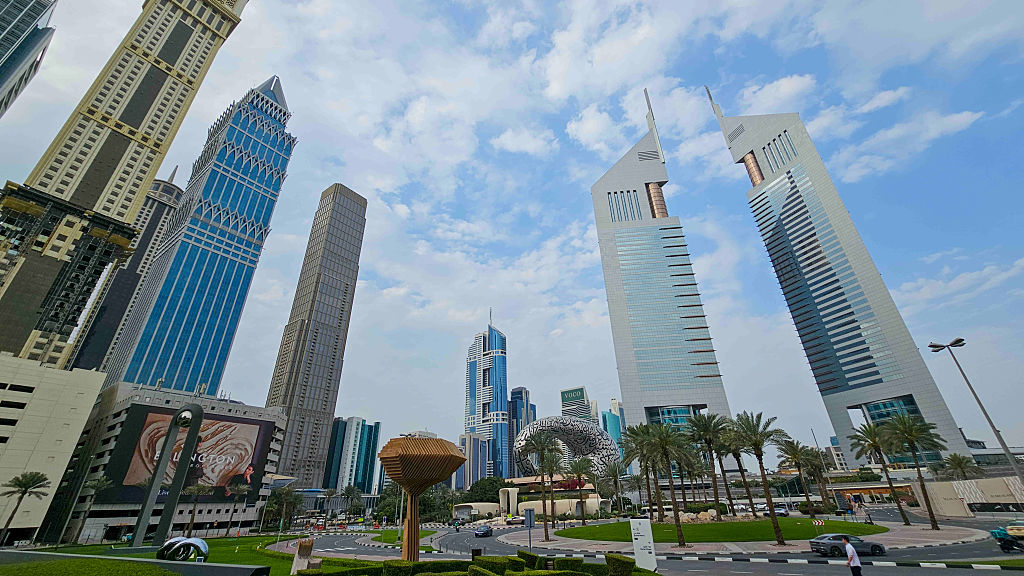
Dubai’s real estate sector faces challenges amid missile attacks from Iran.
The real estate market in the UAE, which has been on an upward trajectory for several years, now finds itself amidst a significant challenge. Recent missile strikes originating from Iran have triggered concerns among investors, leading to noticeable declines in the market shares of notable developers like Aldar Properties and Emaar Properties, both dropping by nearly 5%.
Impact of Geopolitical Tensions on the UAE Property Market
The recent missile strikes have intensified geopolitical tensions, raising alarms for investors in the UAE’s real estate sector. The initial response to these developments has been swift, as market analysts predicted a potential downturn. This reflects concerns regarding stability and security in the region, crucial factors that influence investor confidence. As uncertainties loom, many investors are reassessing their positions, leading to a ripple effect across the property market.
The strong reliance of the UAE economy on its real estate sector makes these fluctuations particularly troubling. The decline in share prices of major developers indicates the vulnerability of this market to external shocks. Just as the market witnessed significant growth in previous years due to increased foreign investment and positive economic indicators, these geopolitical events pose challenges that could undermine that trajectory.
Market Projections Amid Uncertainty
Given the present circumstances, market experts are adjusting their projections. Historically, the UAE property market has shown resilience even in the face of challenges, but this recent geopolitical disruption may lead to a reassessment of long-term growth strategies. Analysts had already indicated that the market was due for a correction, but the sudden shifts due to globalization and international relations dynamics introduce new variables into the equation.
With ongoing tensions, stakeholders are left to ponder the future of property investment in the UAE. The inclination to reconsider asset stability and potential returns may lead to decreased demand from both domestic and international investors. If this trend continues, it could result in a prolonged cooling period in what has been an otherwise booming property sector.
Strategic Responses from Developers
In response to the current situation, developers are actively seeking strategies to mitigate the impacts of the market downturn. Engaging in promotional campaigns, offering attractive incentives, and enhancing customer service are some tactics being deployed to maintain buyer interest. By focusing on transparency and communication with potential investors, developers aim to reassure them of the market’s fundamentals and long-term viability.
Moreover, adapting to changing market dynamics is essential. Developers are increasingly looking beyond traditional approaches and focusing on sustainability, innovation, and integration of technology to create properties that appeal to a broader segment of buyers. This proactive stance could help in stabilizing the market and enticing cautious investors to re-enter.
In conclusion, while the UAE property market faces immediate challenges due to external geopolitical factors, its fundamental strengths and the strategic initiatives being undertaken by developers may provide a pathway to recovery. Investors may wish to keep a close eye on developments, as the interplay of local conditions and global events will significantly influence the market’s direction in the coming months.