
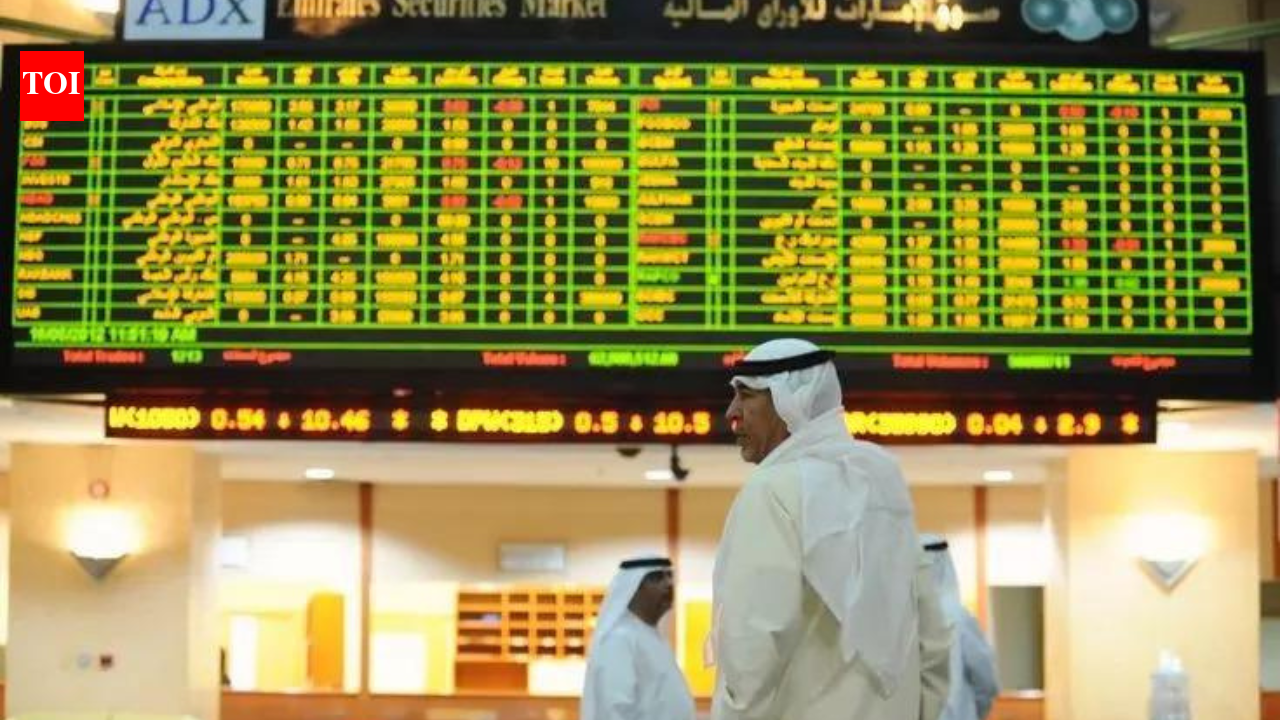
UAE Markets Resume Trading; Stocks Drop Amid Iran Conflict Concerns
The stock market in the United Arab Emirates had a turbulent day on Wednesday as it reopened after an unusual two-day pause. This trading suspension was initiated in response to escalating tensions in the region, specifically driven by missile strikes and drone activity linked to Iran. Investors reacted strongly to this geopolitical uncertainty, leading to a notable decline in stock prices.
Impact of Geopolitical Tensions on UAE Stocks
The recent missile and drone incidents have significantly affected investor confidence within the UAE markets. Analysts suggest that such national security concerns often lead to increased volatility in stock prices. This downturn in transactions reflects a broader apprehension among traders, who may be wary of investing in an environment where geopolitical risk appears heightened.
Further exacerbating the situation, sectors traditionally seen as safe havens, such as energy and tourism, are experiencing downward pressure as uncertainty looms. Market experts emphasize the need for investors to stay informed and consider the implications of these developments on their portfolios. A prudent approach might involve closely monitoring ongoing international relations, particularly those involving Iran, to make educated investment decisions.
Market Reactions and Investor Sentiment
The sharp decline in UAE stocks indicates a broader pattern of investor sentiment reacting to geopolitical crises. Investors often become more risk-averse during such times, leading to increased selling activity. This is particularly evident in the case of companies that rely heavily on foreign investments or cross-border operations.
Real estate and construction sectors, pivotal to the UAE economy, have also felt the weight of investor caution. With many projects depending on stable international relations, potential delays or disruptions resulting from rising tensions can lead to significant financial ramifications. Consequently, analysts recommend diversifying investment portfolios to navigate through these turbulent market conditions effectively.
Looking Forward: Strategies for Resilience
As the markets adjust to the latest developments, both investors and analysts are exploring strategies to ensure resilience in the face of uncertainty. One recommended method is a focus on long-term goals rather than short-term fluctuations. By adopting a long-view strategy, investors may be better equipped to handle transient geopolitical disturbances without making hasty decisions based solely on immediate market reactions.
Additionally, those looking to invest in the UAE during these turbulent times may find it beneficial to consult financial advisors for tailored guidance. Engaging with professionals can provide insights into which sectors may offer the best opportunities for growth, regardless of current instability. Ultimately, maintaining a balanced and well-informed investment strategy could be key to weathering these challenges in the near term.
In conclusion, while the recent trading halt in the UAE markets following international tensions has led to a notable dip in stock prices, adapting to the evolving situation with informed decisions can help mitigate risks. By keeping a close eye on geopolitical developments, diversifying investments, and maintaining a long-term perspective, investors may find pathways to success even in uncertain times.