
Iranian Strikes Challenge Dubai’s Reputation as Safe Haven
Dubai has long been heralded as a beacon of stability in a tumultuous Middle East, characterized by its striking skylines, no-tax salaries, and an environment conducive to business. Unlike its neighboring cities, Dubai projected an image that offered reassurance amid surrounding instability. However, this perception was significantly shaken on February 28 when the region was jolted by retaliatory strikes from Iran that disrupted key economic sectors in Dubai.
Economic Impacts of Regional Conflict
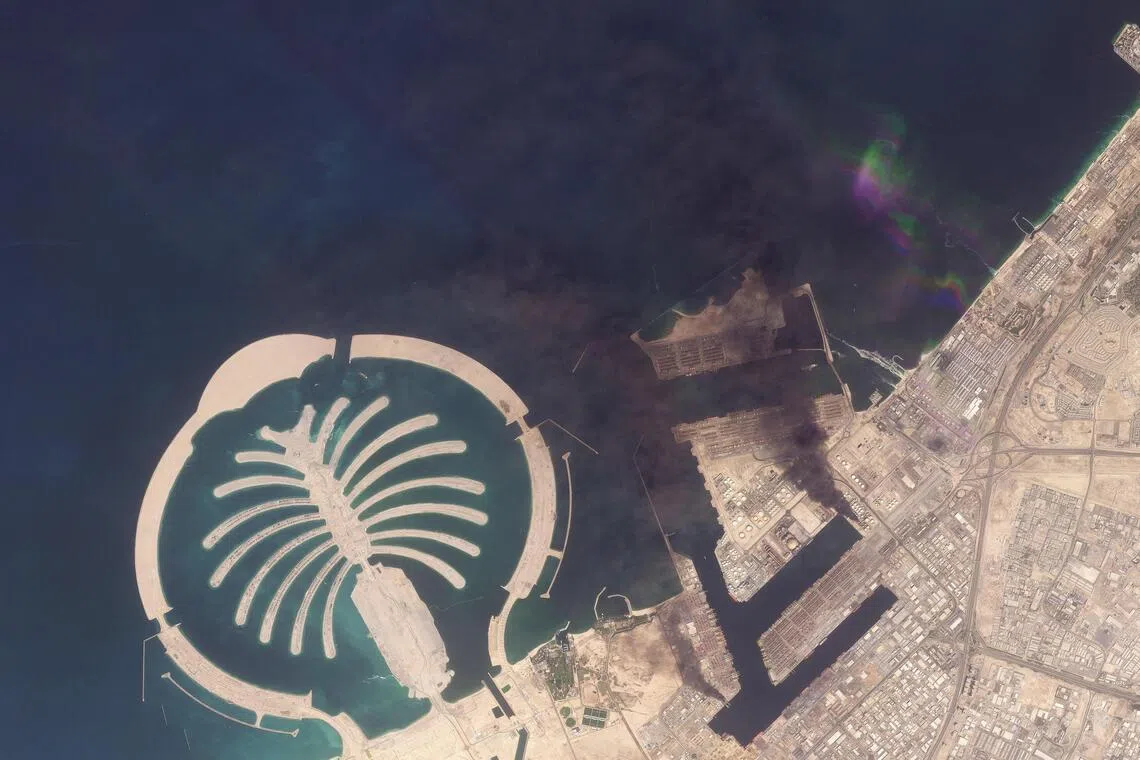
The strikes impacted vital infrastructure in Dubai, striking hotels, airports, and ports. While the physical damage appeared limited, the psychological toll on investors and residents was profound. The UAE’s National Emergency, Crisis, and Disasters Management Authority quickly moved to assure the public that the situation was under control. Yet, these reassurances did little for those witnessing their landmarks under attack, raising questions about their confidence in Dubai as a safe financial haven. According to Dr. Jim Krane from Rice University’s Baker Institute, the apparent crisis poses substantial risks to Dubai’s economic model, as its reputation as a safe refuge for expatriates and their businesses faces increasing scrutiny.
The Stock Market Reaction and Changes in Investor Sentiment
In response to the escalating conflict, the UAE’s stock markets were shut down on March 2 and 3. Reports surfaced of technical difficulties caused by the strikes affecting banking operations tied to Amazon’s cloud services, as airspace restrictions left many stranded in the UAE. This swift market response highlights a growing unease among investors. Although Dubai’s economy is predominantly fueled by non-oil sectors—capably relying on tourism, trade, and real estate—this recent turmoil has raised alarms about its attractiveness to foreign capital.
Notably, Dubai’s transformation into a global financial hub over the past four decades was constructed on stability, evident in pivotal developments like the establishment of Emirates airline in 1985 and the introduction of property laws for foreigners in the early 2000s. The city’s rapid population growth—jumping from one million in 1980 to an estimated 11 million in 2024—has also been fueled by an influx of wealthy expatriates seeking refuge from regional instability, including conflicts in Syria and more recently, the war in Ukraine. This trend placed Dubai in a prime position to attract investments in real estate and financial services.
Future Prospects amid Uncertainty
Nevertheless, the risks remain palpable. The geographical proximity to the Strait of Hormuz, a pivotal shipping lane for global oil trade, places Dubai in a precarious position, particularly with Iran’s capacity to disrupt Gulf commerce. The severe disruptions caused by the attacks included hits to Dubai International Airport and Jebel Ali Port, necessitating emergency responses not seen before in this city. Amid this environment of uncertainty, companies are recalibrating their strategies; for instance, one mid-sized investment firm preemptively planned layoffs and paused fundraising efforts.
Market analysts suggest that the fear triggered by these recent events could significantly reshape Dubai’s economic landscape. Investments may be affected as market perceptions shift, and financial institutions might reconsider their local operations. Despite previously strong resilience during crises, such as COVID-19, the long-term implications of continued conflict and investor confidence may ultimately dictate the fate of Dubai’s economic ambitions.
In summary, while Dubai has historically been seen as a bastion of stability in an unpredictable region, the recent hostilities have introduced new challenges. The ongoing developments will greatly depend on the conflict’s duration, and how quickly calm is restored to the skies and markets of this vital global city.