
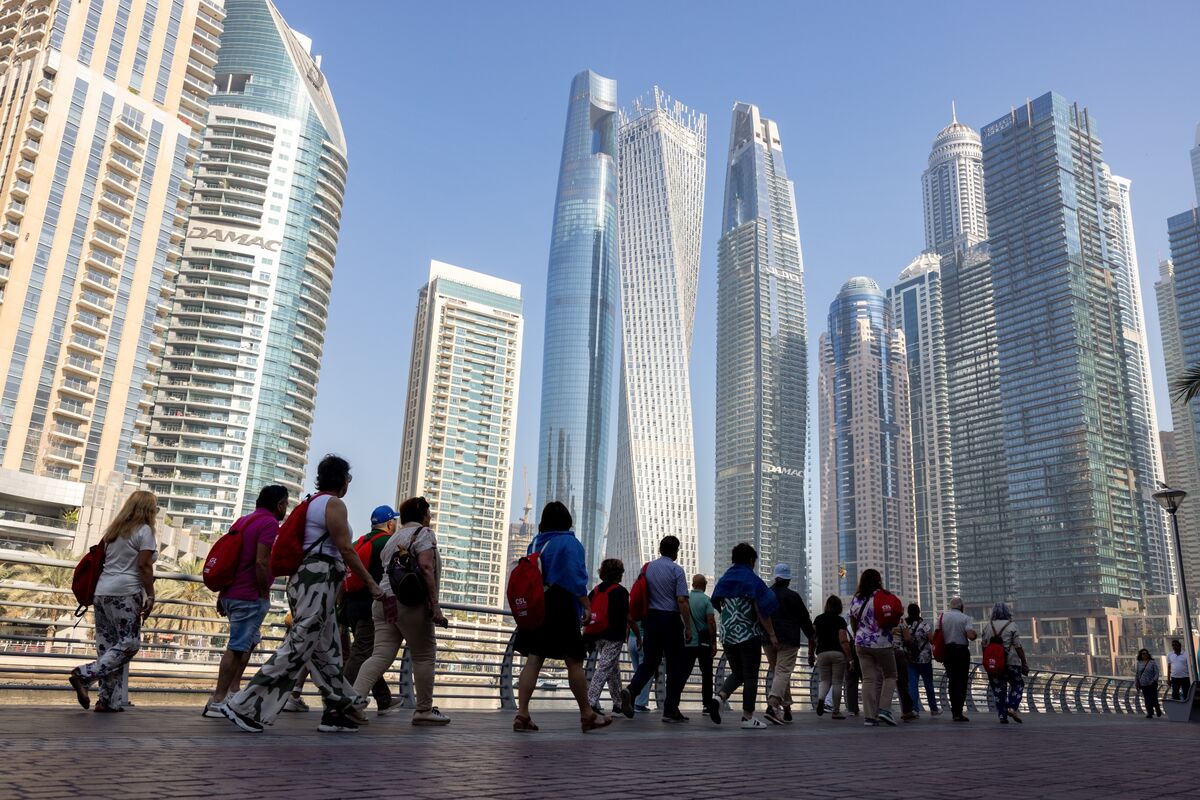
Dubai’s Reputation as a Swiss-Style Sanctuary is Deteriorating
Dubai and Abu Dhabi have become synonymous with prosperity and luxury, attracting hedge funds, influencers, and expatriates seeking sun, sea, and tax advantages. However, recent developments are challenging that image, as rising tensions and security concerns overshadow the region’s otherwise appealing lifestyle.
The Transformation of the UAE: A Financial Hub
In recent years, the United Arab Emirates (UAE) has positioned itself as a premier financial center in the Middle East, often dubbed the “Switzerland of the Middle East.” This transformation is largely attributed to its favorable business environment, characterized by zero income tax and a strategic location that connects East and West. The influx of hedge funds and expatriates reflects the growing confidence in the UAE’s economy, attracting a cosmopolitan population eager to enjoy a high quality of life.
However, this financial boom comes with a set of challenges, particularly as regional crises unfold. The geopolitical landscape has become increasingly volatile, influencing the perception of safety within the UAE. The once stable environment is now under scrutiny, as security measures intensify in response to escalating threats. The recent uptick in missile attacks from neighboring countries raises alarms about the effectiveness of existing defensive capabilities.
Security Concerns Amid Prosperity
With the specter of conflict looming, the UAE’s leaders must balance its image as a safe haven with the urgent need to bolster national security. The demand for interceptors and advanced defensive systems has surged, as the threat of missile strikes from Iran and other regional players creates unease among residents and investors alike. The government’s commitment to safeguard its citizens has never been more critical, suggesting a shift in focus from pure economic expansion to a more nuanced approach that emphasizes stability and security.
The repercussions of these security issues extend beyond military procurement; they could impact economic growth and investor confidence. The once relaxed attitude towards safety may now prompt a reevaluation of risk by expatriates and businesses, affecting the influx of talent and capital that has long characterized the UAE’s robust economy. As tensions rise, only time will tell how these factors will shape the future trajectory of this thriving region.
Finding Balance: Navigating a New Reality
To mitigate these risks, the UAE must adopt a comprehensive strategy that not only secures its borders but also reassures its residents and foreign investors. This dual focus on economic prosperity and national security can be challenging but is essential for maintaining its reputation as a global hub. Enhanced intelligence-sharing, regional cooperation, and continued investment in military technology are likely to become priorities for UAE policymakers.
Furthermore, the narrative around the UAE needs to shift from one solely about luxury and wealth to include an emphasis on resilience and preparedness. As the nation grapples with these new realities, it is imperative to communicate effectively and transparently with stakeholders, ensuring that the trust that fuels its economic engine remains intact.
While the sun-soaked allure of Dubai and Abu Dhabi continues to call out to many, the evolving geopolitical landscape serves as a stark reminder that beneath the surface glamour lies a complex set of challenges. The UAE’s ability to navigate these issues successfully will determine not just its future as a financial destination but also its standing in the broader Middle Eastern context.