
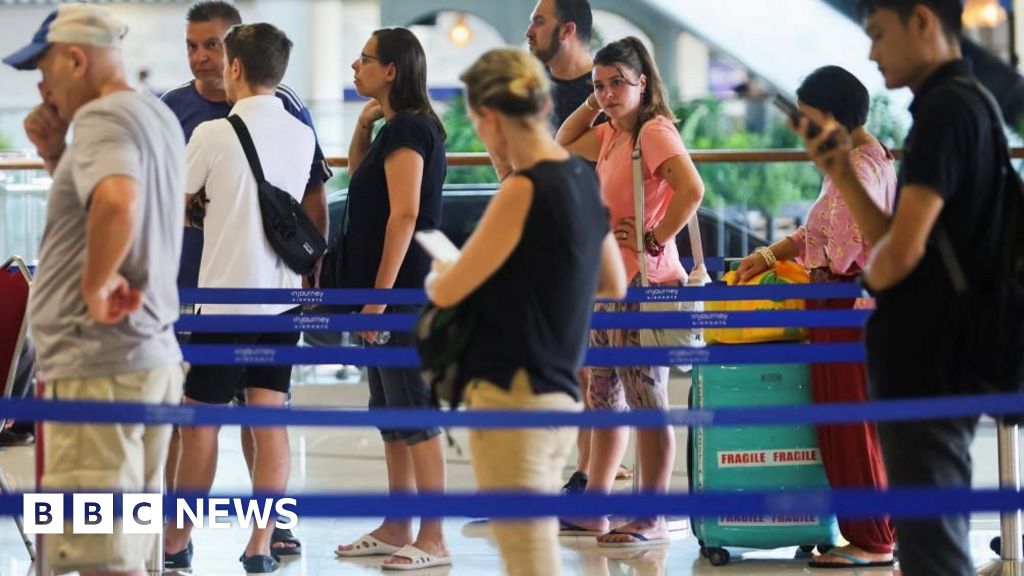
Iran Strikes Cause Thousands of Additional Flight Cancellations
The ongoing conflict in the Middle East has resulted in widespread flight cancellations, significantly impacting travel plans for numerous passengers. As tensions rise, major airlines have taken precautionary measures, leading to disruptions at key airports in the region. Understanding the ramifications of these cancellations is crucial for travelers and industry stakeholders alike.
Flight Cancellations and Their Impact
A substantial number of flights heading to the Middle East have been grounded, particularly affecting major cities that serve as vital transportation hubs. Airlines are prioritizing passenger safety, forcing many to either postpone their journeys or seek alternative routes. As a result, travelers are facing uncertainty regarding their itineraries. The abrupt cancellations not only affect those flying to and from these destinations but also reverberate through the global aviation network.
In addition to direct cancellations, travelers should also prepare for potential delays and itinerary changes as airlines scramble to adjust to the situation. The knock-on effects could cause travel disruptions long after normalcy is restored, creating further difficulties for passengers with connecting flights or urgent commitments. The ripple effect is felt not only by individuals but also by businesses reliant on timely travel for international operations and trade.
Airline Response and Safety Measures
Airlines operating in the region are actively monitoring the situation and adjusting their flight schedules to align with safety protocols. Many have implemented flexible booking policies, allowing travelers to change or refund their tickets without incurring steep penalties. This move is aimed at addressing passenger concerns and providing some level of reassurance amid the chaos.
Customers are encouraged to stay informed by checking their airline’s official website or communication channels for updates regarding their flights. Given the unpredictable nature of the conflict, travelers should remain vigilant and ready to adapt their plans as necessary. Additionally, it may be prudent to acquire travel insurance that covers cancellations or trip interruptions, as this can offer some financial protection against unforeseen circumstances.
Future Outlook for Travel in the Region
As the situation in the Middle East evolves, it’s essential to consider the longer-term implications for travel in the region. Once hostilities subside, airlines may gradually resume operations, but it could take some time for service levels to return to their previous state. Travelers should anticipate increased security measures at airports, which may contribute to longer wait times and additional scrutiny.
In the meantime, communication remains key for affected passengers. Being proactive about obtaining updates and exploring alternative travel options can help mitigate some of the disruptions caused by the conflict. As the global community continues to monitor the situation, it is crucial to prioritize safety while maintaining flexibility in travel plans.
In conclusion, the ongoing conflict in the Middle East has caused significant travel disruptions, with numerous flights canceled and concerns about future travel in the region. Passengers should stay informed, consider flexible travel options, and prepare for potential logistical challenges. As the situation develops, adaptability and awareness will be essential for travelers navigating this complex landscape.