
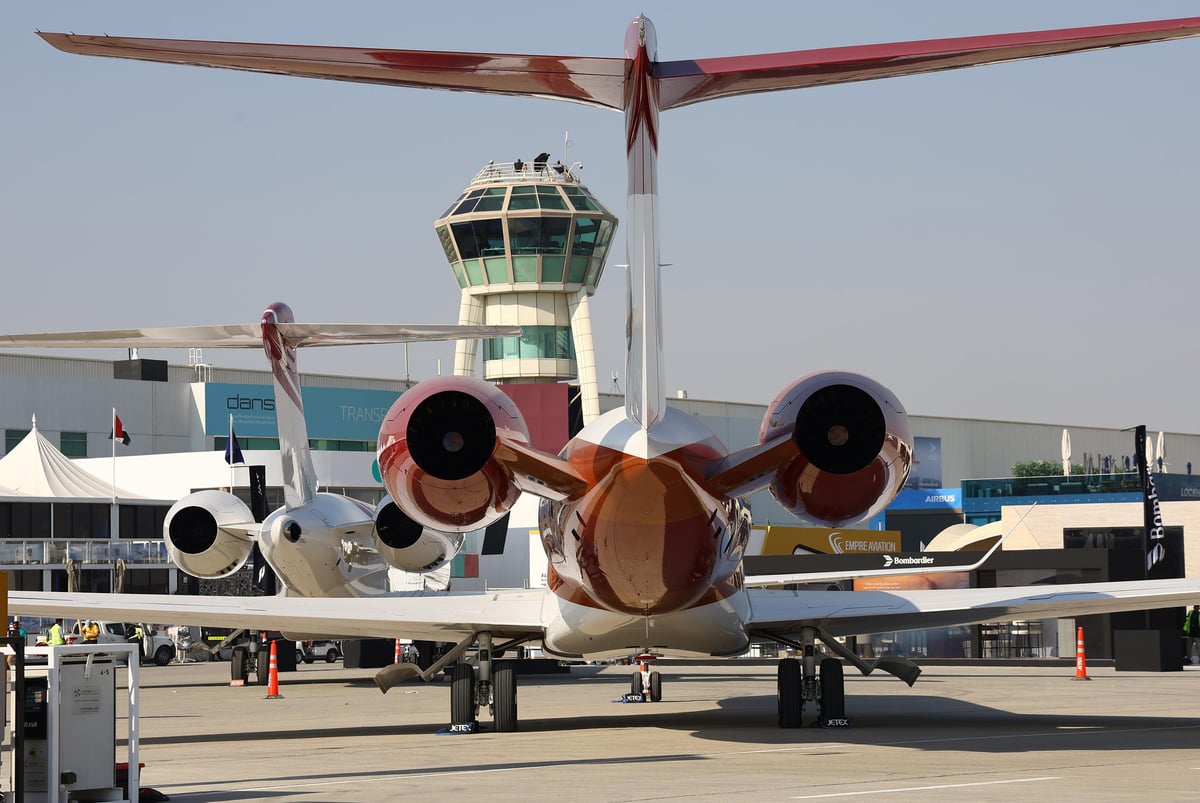
Gulf Business Aviation Grounded Due to Iran Conflict
In recent months, air travel disruptions due to widespread airspace and airport closures have caused significant challenges for travelers and airline operators. As a result, various aircraft, along with their crews and passengers, find themselves stranded in regions where they cannot operate or depart. Understanding the reasons behind these closures is crucial for those looking to mitigate the impact on future travel plans.
The Impact of Airspace Restrictions
Airspace restrictions can stem from multiple factors, including security threats, adverse weather conditions, or military exercises. When a region experiences heightened security alerts, authorities may impose airspace restrictions to ensure safety. This can lead to extensive delays as airlines scramble to reroute flights or cancel them altogether. Additionally, when adverse weather strikes, such as storms or heavy fog, airports may close temporarily, preventing aircraft from taking off or landing. The fallout from such restrictions affects not only airlines but also the passengers who are left waiting for answers.
Challenges for Airlines and Operations
Airlines face numerous operational challenges due to these closures, which impact flight schedules and passenger services. With planes unable to land or take off, airlines must manage logistics around referring passengers to other flights or providing accommodations for those stranded. Staff may find themselves working overtime to handle the overwhelming number of inquiries and concerns from passengers. Furthermore, rerouting aircraft can incur higher fuel costs and affect overall operational efficiency.
The Consequences for Stranded Passengers
Travelers caught in this predicament often experience significant frustration and inconvenience. With flight cancellations and delays becoming the norm, passengers may find themselves stuck in terminals without clear communication from airlines about their options. They may struggle to find food, accommodations, and information, creating an atmosphere of uncertainty and anxiety. Moreover, the unpredictability of travel timing can disrupt not just personal plans but also crucial business engagements that travelers might have lined up.
Strategies to Navigate Travel Disruptions
To minimize the impact of such unforeseen travel disruptions, passengers can take several proactive steps. For starters, staying informed about the status of flights and potential airspace restrictions is essential. Passengers should download airline apps or subscribe to notifications that provide real-time updates. It’s also wise to book flexible tickets when possible, allowing for easier rescheduling in the event of cancellations. Additionally, ensuring you have contingency plans, including alternative routes or accommodations, can help alleviate some stress when faced with extended delays.
In summary, the air travel landscape is heavily influenced by external factors that can lead to closures and restrictions. Both airlines and travelers must navigate these challenges with awareness and adaptability. By understanding the reasons behind airspace restrictions and preparing for potential disruptions, travelers can better manage their experiences in a fluctuating environment.