
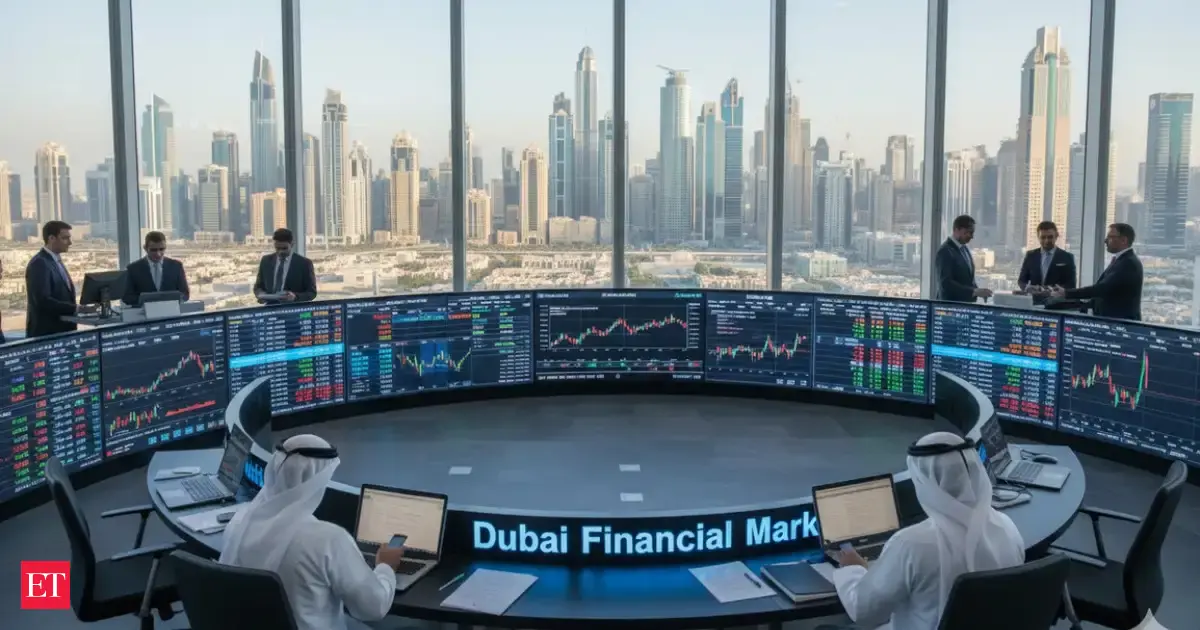
Regulator: Conflict Halts Dubai, Abu Dhabi Stock Markets Until Tuesday
The ongoing geopolitical tensions have led to significant disruptions in financial markets. Stock exchanges in Dubai and Abu Dhabi will remain closed until Tuesday, as announced by the UAE’s financial regulatory body. This decision comes in response to escalating conflict in the region, marked by Iranian strikes following joint Israeli and American military actions.
Impact of Regional Conflict on UAE Financial Markets
The closure of stock exchanges in the United Arab Emirates highlights the fragility of financial systems in times of crisis. Investors often react defensively when geopolitical conflicts arise, leading to volatility and uncertainty in the markets. The UAE’s decision to suspend trading reflects a proactive approach to protect stakeholders from unforeseen losses. These temporary closures are critical in preventing panic reactions among investors, as dangerous escalations in the region can shift market sentiments rapidly.
Reactions from Investors and Analysts
Market analysts are closely monitoring the situation, with many expressing concerns about the long-term implications of the ongoing conflict. The transactions that typically characterize lively market activity will be halted, forcing investors to assess their positions carefully. Many are weighing their options, considering risk management strategies to mitigate potential losses once normal trading resumes. Investment decisions during these times lean heavily on geopolitical developments, signaling a need for investors to stay informed on global events.
Geopolitical Concerns and Market Stability
The current conflict underscores the interconnectedness of global markets. Investors need to understand that regional tensions can have ripple effects worldwide. The Iranian response to military actions taken by Israel and the US signifies a potential escalation that could further destabilize other markets as well. Countries that rely heavily on resources from the Middle East may find their economies affected by shifts in oil prices or altered trade agreements. This scenario serves as a further wake-up call for market participants to diversify their holdings to buffer against regional volatility.
Future Outlook for the UAE Financial Sector
As the situation progresses, financial analysts predict that market recovery will take time, particularly in areas most affected by geopolitical unrest. Once trading resumes, the focus will likely shift toward rebuilding investor confidence. Long-term growth prospects for the UAE’s economy hinge on regional stability, and stakeholders will be looking for signs of de-escalation. Nevertheless, the UAE has shown resilience in the face of challenges, and its robust financial infrastructure positions it well for future recovery.
In summary, while the suspension of trading in Dubai and Abu Dhabi for the time being reflects immediate concerns regarding market stability amidst conflict, the strategic responses from regulators aim to ensure a smoother transition back to normalcy. As global investors carefully navigate these turbulent waters, staying informed and agile in decision-making will be imperative.