
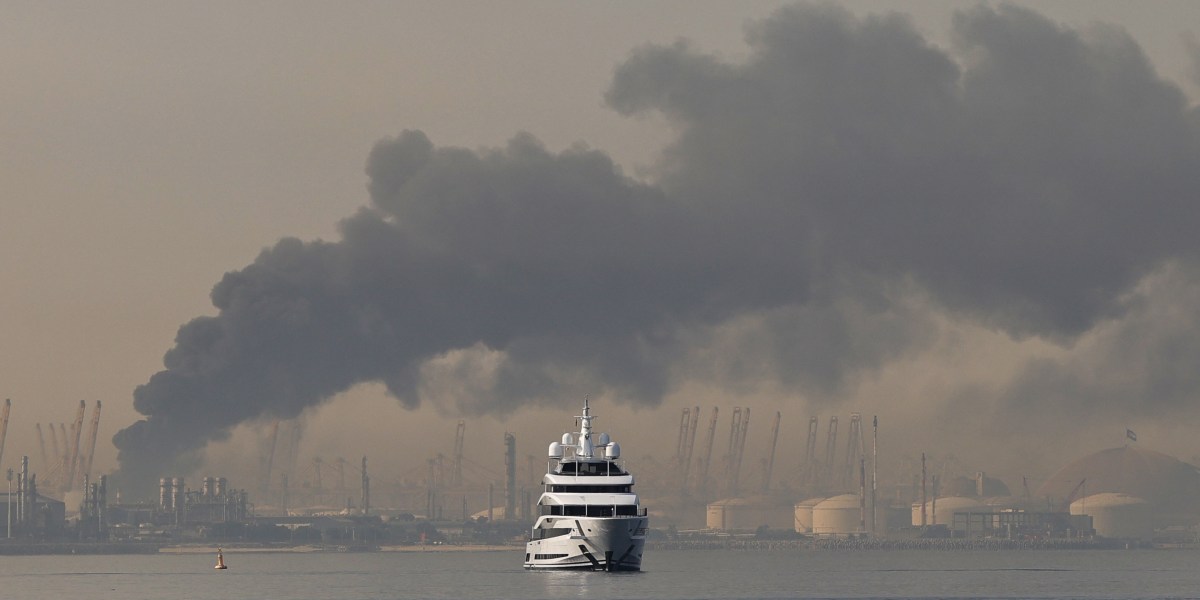
Iran’s Attack on Dubai Threatens Elite Tax Haven Stability
Iran’s recent military actions in response to U.S.-Israel airstrikes have raised serious concerns for Gulf nations, threatening their appeal as attractive locations for investment and tourism. The region, known for its financial hubs and leisure destinations, may face significant fallout if tensions escalate further.
The Impact on Regional Economies
The Gulf region has successfully attracted international capital and diversified its economies beyond oil dependency. However, the ongoing geopolitical strife poses risks not only to local markets but also to global economic stability. A worker in the finance sector humorously remarked on social media, “Moved to Qatar to hide from taxes, now I am hiding from missiles,” encapsulating the sense of urgency among expatriates in the area.
Analysts believe Iran aims to create discomfort for U.S. allies in the Middle East, particularly the United Arab Emirates. By inflicting damage on these nations, Tehran hopes to prompt the U.S. to reconsider its military operations in the region. The ongoing conflict has left many in high-profile destinations feeling uneasy, as social media buzzes with distressing images of once-luxurious locations under threat.
Direct Attacks on Iconic Locations
Recent airstrikes have targeted well-known landmarks in the UAE, igniting widespread alarm. A drone attack on the Fairmont The Palm Hotel in Dubai caused both fire and panic on the Palm Jumeirah island, home to some of the city’s wealthiest. Smoke was also reported near the world-renowned Burj Khalifa after a drone was intercepted. Additionally, debris from another drone fell near the Etihad Towers in Abu Dhabi, adding to the chaos. Kuwait City’s international airport was also not spared, with drones posing a direct risk.
These attacks have led to significant disruptions in economic activities. For instance, DP World halted operations at Jebel Ali port, the Middle East’s largest container port, after an incident involving a missile. Given that this port accounts for approximately 36% of Dubai’s GDP, its instability signals broader economic ramifications, particularly as numerous vessels remain stranded in the Strait of Hormuz out of fear that Iran might close this critical maritime route.
The Broader Implications for Air Travel and Tourism
As anxiety increases, air travel across the Gulf has also been severely impacted. The region, recognized as a global airline hub, contributes significantly to the local economy. Security concerns have led to temporary airspace shutdowns, further disrupting travel plans for thousands. Marko Kolanovic, a former chief strategist at JPMorgan, warned that the current situation poses catastrophic risks for the UAE, especially considering its high expatriate population and reliance on tourism and finance.
Many locals are left wondering about the future viability of Dubai as a safe haven. The city previously enjoyed a reputation for security, with residents often feeling at ease leaving their cars and homes unlocked. However, the current wave of attacks has sparked a wave of panic, driving people to airports and causing grocery stores to experience rushes reminiscent of crises.
Experts express the grim reality that Dubai’s identity has been significantly challenged by these incidents. As Cinzia Bianco from the European Council on Foreign Relations articulated, this situation may mark a pivotal moment for the emirate’s international image, altering perceptions of safety that have long attracted residents and tourists alike. While resilience strategies may emerge, the sense of invulnerability previously enjoyed may never return.
In conclusion, the recent tensions in the Gulf present significant challenges not only for the UAE but also for global markets and international relations. The interplay between military actions and economic viability could reshape the region’s landscape in unforeseen ways.