
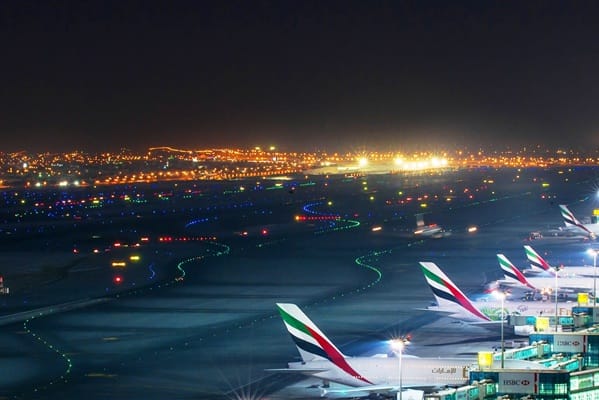
Iranian Missiles Hit Dubai International Airport Directly
Iranian missile strikes on Dubai International Airport have heightened tensions in the region, signaling potential repercussions for international travel and safety. This unsettling incident has drawn global attention, forcing many to reconsider the stability of air routes and the broader implications for international relations.
Understanding the Incident
Recent events have unveiled a concerning reality in the Middle East. The missile strikes aimed at Dubai International Airport signify not just a provocative action, but also a shift in the dynamics of regional security. Given Dubai’s reputation as a bustling hub for travelers and businesses alike, these hostilities raise significant alarms for both tourism and global transportation networks. The potential disruption to air travel and the safety concerns that arise from such attacks could lead to longer-term implications for airlines and travelers, particularly those navigating the complexities of the Middle Eastern landscape.
Implications for Global Travel
With millions of passengers traversing through Dubai International Airport annually, any instability could have cascading effects across the globe. Airlines may face increased costs due to heightened security measures, resulting in possible fare hikes. Additionally, travelers might reconsider their itineraries, opting for alternative routes or seeking out regions perceived as safer. This shake-up could lead to a decline in passenger numbers, impacting not only the airport but also the local economy that thrives on tourism and business travel.
Regional Security Concerns
The missile strikes emphasize the fragile security landscape in the Middle East. Countries in the region often deal with ongoing conflicts and political tensions, and incidents such as these can exacerbate fears and uncertainties. International powers may respond with heightened military presence or increased talks of diplomatic solutions, all aimed at restoring security and stability. The broader geopolitical context plays a crucial role in shaping the future of travel and diplomatic relations in the Middle East.
Looking Ahead: What to Expect
As the fallout from this incident continues to unfold, a vigilant approach to monitoring the situation is essential. Travelers should remain informed about updates regarding safety commitments from airlines and governmental bodies. In light of these recent events, experts advise potential travelers to Dubai to assess travel advisories and evaluate their personal comfort levels when planning trips to the region. In the coming weeks and months, the travel sector will likely adapt in response to new protocols aimed at ensuring passenger safety while promoting resilience in the face of potential crises.
The situation highlights the delicate balance of maintaining security while fostering an environment where international travel can thrive. By navigating these tensions with care, stakeholders in the travel and tourism sectors can work to uphold the spirit of exploration and connection that defines global travel.