
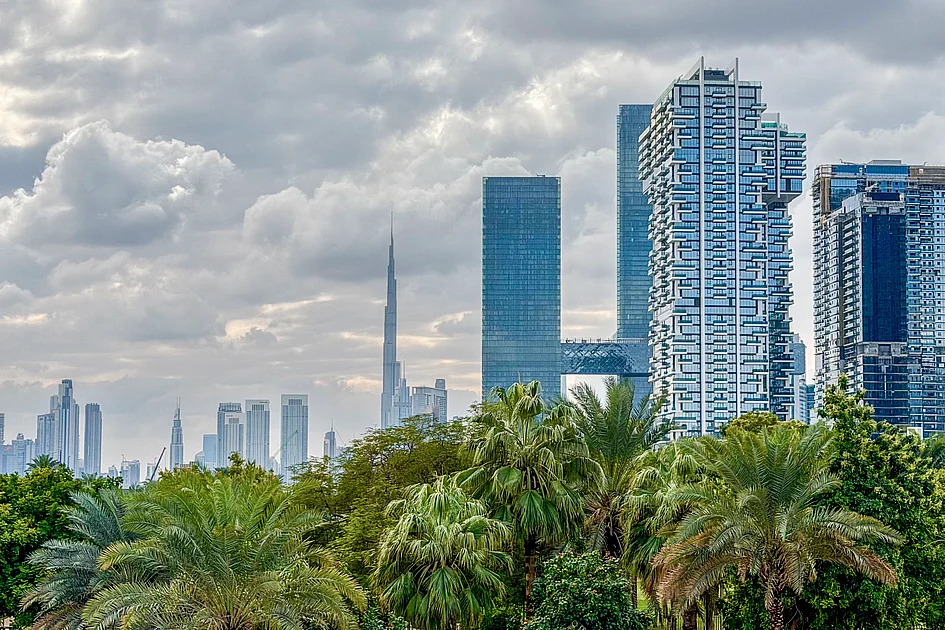
Dubai’s Real Estate Surge Reaches All-Time High of Dh916 Billion Driven by Population Increase
Dubai’s real estate market is experiencing extraordinary growth, driven by a burgeoning population and favorable borrowing conditions. As the emirate heads toward 2026, property transactions have reached an all-time high of Dh916 billion, reflecting a surge in demand from new residents and international investors that is reshaping the housing landscape.
Population Growth Fuels Housing Demand
Surpassing the four-million mark, Dubai is becoming an appealing center for business, talent, and wealth migration. The addition of nearly 18,000 new residents in just one month highlights the city’s increasing allure for professionals, entrepreneurs, and high-net-worth individuals. These newcomers are attracted by numerous job opportunities, lifestyle benefits, and long-term residency options, which have significantly boosted the demand for both rental and owned properties.
As a result, transaction volumes and values in the housing market have soared to unprecedented levels. By the end of 2025, the Dubai Land Department reported over Dh680 billion in property sales involving more than 200,000 transactions—the highest annual numbers recorded to date. When including mortgages and other real estate-related transactions, the total transaction value approached Dh916 billion, underscoring the market’s robust liquidity and wide-ranging participation across various segments.
Record Growth in Property Transactions
The real estate market gained impressive momentum in the latter half of 2025, particularly in the final quarter, which saw record sales exceeding Dh187 billion. Notably, three consecutive months of record sales highlighted ongoing engagement from end-users and investors, indicating a stable market rather than speculative bubbles. Analysts emphasize that population growth is a principal structural driver of Dubai’s real estate cycle, generating real demand across all price categories—from affordable apartments to grand luxury villas.
Alec James Smith of Savills Middle East points out that this monthly surge in residents directly translates to immediate housing demand. Increased inquiries, viewings, and the quick sale of well-priced homes showcase the genuine interest in relocating and lifestyle migration, further fueled by investors looking for reliable rental income. Dubai’s resilience is particularly evident compared to other global residential markets, including major cities in both Asia-Pacific and Europe.
Investment Confidence and Borrowing Conditions
A robust prime real estate segment adds to Dubai’s appeal, with nearly 6,000 transactions above Dh10 million recorded in 2025. With limited supply in high-end communities and ongoing influxes of wealth, capital values and rents are remaining strong. Recent easing in borrowing costs, following policy changes by the UAE Central Bank that lowered benchmark interest rates, has started reassuring buyers. This shift has led to lower mortgage costs, fostering demand among those who postponed purchases during a previous period of high rates.
While the pace of rate adjustments may differ among lenders, improving affordability is expected to support end-users and residents eager to enter the market. According to Savills, reductions in financing costs have been linked with stronger transaction momentum, and the attractive property yields in Dubai further bolster its allure for both foreign buyers and institutional investors.
Outlook for Dubai’s Real Estate Market
Experts anticipate that Dubai’s property sector will continue to thrive, driven by strong fundamentals. However, they warn of the need for careful supply and infrastructure planning to maintain long-term stability. With projections estimating the population could reach six million by 2040, Dubai’s 2040 Urban Master Plan aims to facilitate this growth through expanded residential areas, improved transport systems, and enhanced social infrastructure—all while ensuring liveability remains a priority.
As factors like population inflows, easing financing conditions, and ongoing investor confidence converge, analysts indicate that Dubai’s property market is entering a new era characterized by structural demand rather than fleeting speculation. The incredible volume of transactions—totaling Dh916 billion—signals more than just a successful year; it reveals a market maturing and becoming more resilient, deeply anchored by population growth, strategic planning, and an influx of global capital.