
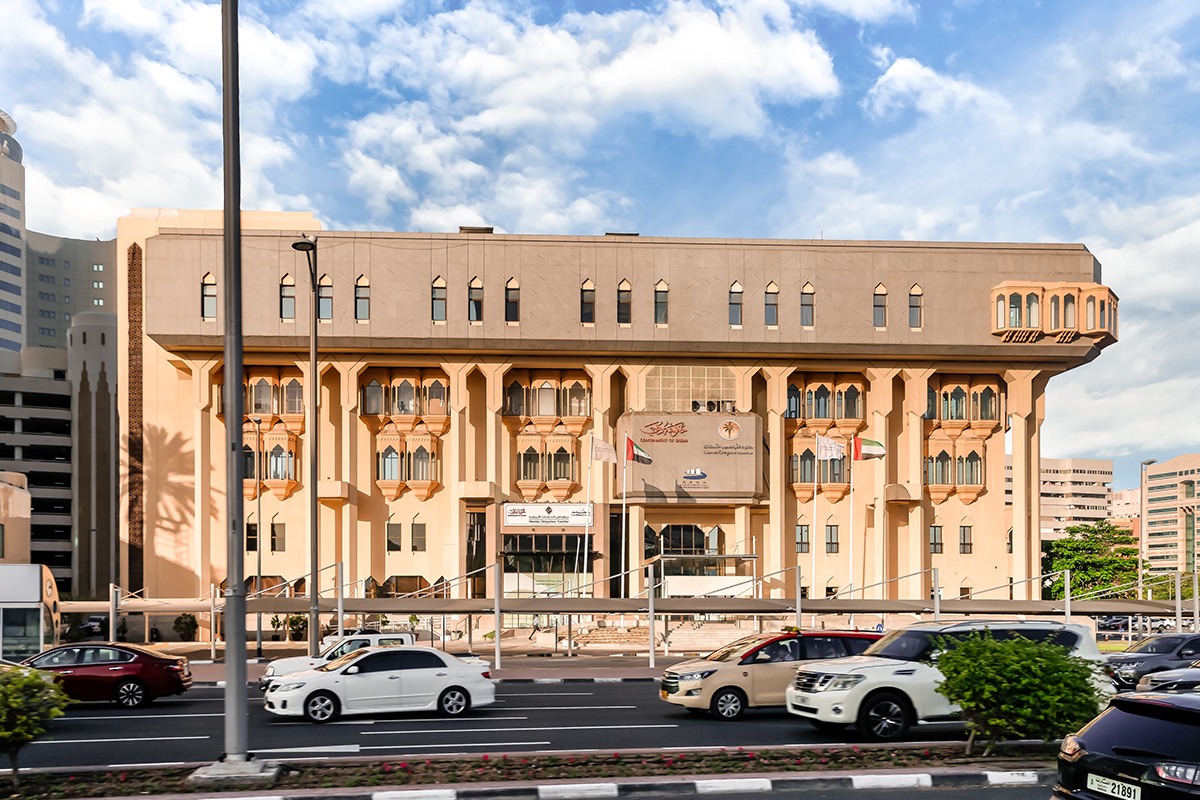
Dubai Launches Phase II: Secondary Market for Real Estate Tokenization
The Dubai Land Department (DLD) has made significant strides in real estate innovation with the initiation of Phase II of its Real Estate Tokenisation Project. This progressive move is designed to enhance the property market’s accessibility by allowing secondary market transactions, set to commence on February 20. As the real estate landscape evolves, tokenization stands to revolutionize how properties are bought and sold, making it easier for investors and purchasers alike.
The Impact of Tokenization on Real Estate
Tokenization represents a groundbreaking transformation in the real estate sector. By converting physical properties into digital tokens on a blockchain, this method facilitates fractional ownership, allowing multiple investors to own a share of high-value real estate. This democratizes investment opportunities, especially for those who may not have the financial means to purchase an entire property. Consequently, this leads to increased liquidity in the market, as properties can be bought and sold swiftly through the secondary market.
The introduction of Phase II of the DLD’s initiative also promises to improve transparency and security in real estate transactions. Blockchain technology ensures that all transactions are recorded immutably, reducing the risk of fraud. Buyers and sellers can confidently engage in transactions, knowing that their investments are protected by advanced technology and regulatory oversight. This trust factor is a key element that could attract more investors to the Dubai property market.
Enhancing Investment Opportunities
The tokenization of real estate opens doors to a wider range of investment opportunities that were previously inaccessible to many. With lower minimum investment thresholds, aspiring investors can now enter the market without needing to commit large sums of money. The ability to purchase fractional ownership in high-end properties not only diversifies investment portfolios but also encourages a broader demographic to participate in real estate investing.
As the secondary market for tokenized assets becomes operational, seamless transactions will likely fuel a surge of interest in Dubai’s real estate. Investors can easily sell their tokens without the complexities that typically accompany traditional property sales. This development is particularly advantageous for those looking to liquidate their investments quickly, further contributing to a dynamic real estate environment.
Future Prospects for Dubai’s Real Estate Market
As Dubai continues to position itself as a global hub for innovation, the Real Estate Tokenisation Project aligns with the city’s broader vision for growth and technological advancement. The local government’s commitment to adopting such forward-thinking strategies underscores the importance of the real estate sector in the emirate’s economy. Moreover, as international investors are drawn to Dubai’s real estate market, the benefits of tokenization can lead to a more robust influx of capital.
In conclusion, the launch of Phase II of the Real Estate Tokenisation Project by the Dubai Land Department is a notable step forward in the real estate landscape of the emirate. By enabling secondary market resales, the DLD not only enhances liquidity and access within the market but also sets the stage for a more inclusive financial environment. As the integration of technology into real estate continues to evolve, stakeholders can anticipate significant changes that will redefine property investment practices in Dubai. The future indeed looks promising for investors and the broader real estate sector in this vibrant city.