
Within Its Trillion-Dollar Safety Umbrella
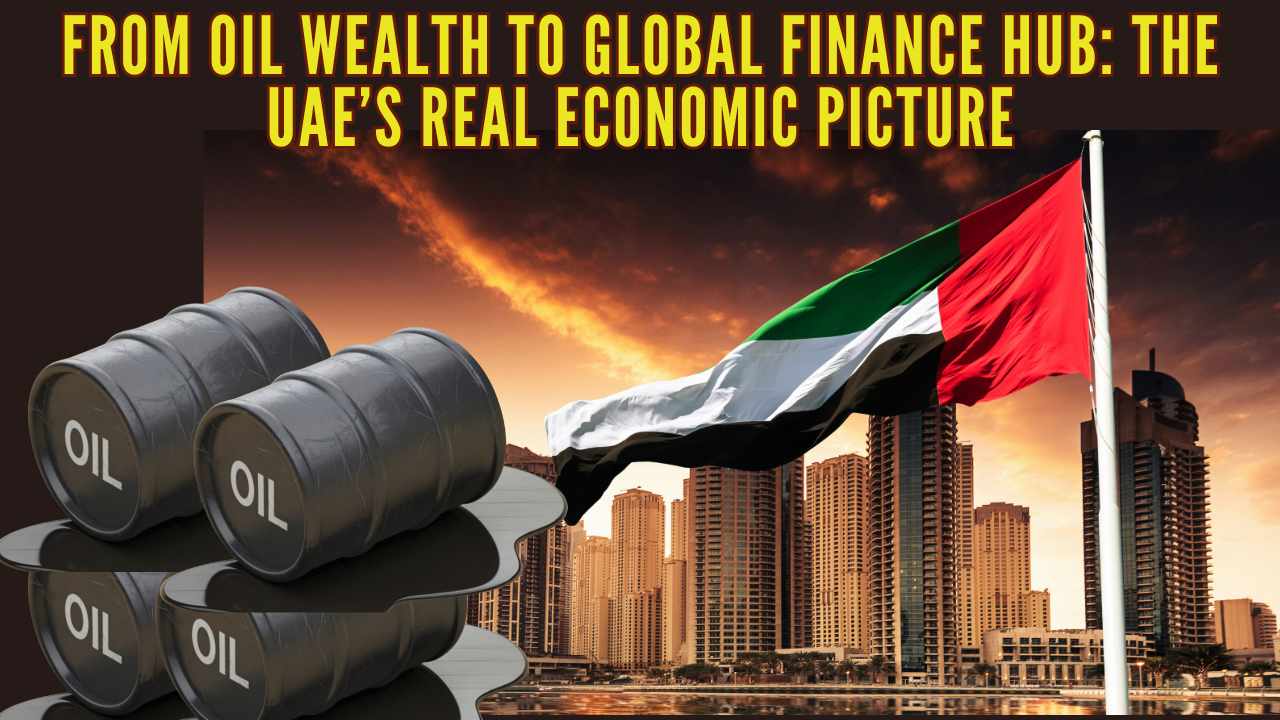
The United Arab Emirates (UAE) stands as a beacon of economic stability in an often volatile region. With a diverse economy that is rapidly transitioning from an oil-dependent model to one based on knowledge and innovation, the UAE’s financial future appears bright. This article explores how the balance sheets of Abu Dhabi and the ambitions of Dubai serve as anchors for the federation.
Current Economic Health of the UAE
Is there any truth to the claims that the UAE is facing bankruptcy? Absolutely not. The UAE remains one of the most financially secure countries globally. While certain corporate entities, particularly in real estate development, may experience liquidity challenges, the country as a whole holds significant financial reserves. The UAE manages over $1.5 trillion in sovereign wealth assets. Key players in this financial ecosystem include Abu Dhabi Investment Authority (ADIA) and Mubadala, along with newly integrated entities like L’imad.
Looking ahead, the International Monetary Fund (IMF) projects a growth rate of approximately 4.8% in real GDP for 2025. This forecast is largely driven by a robust non-oil sector, coupled with an anticipated increase in oil production quotas.
Vision 2031: A Roadmap for Economic Expansion
The UAE’s economic ambitions are encapsulated in the “We the UAE 2031” initiative, which aims to more than double the nation’s Gross Domestic Product from AED 1.49 trillion to AED 3 trillion by the year 2031. This strategic plan focuses on several key areas, including the following:
- Increasing Non-Oil Exports: The new target is set at AED 800 billion, which will help diminish reliance on oil revenue.
- Boosting Tourism: The tourism sector is expected to contribute AED 450 billion to the economy, making it a vital component of growth.
These goals reflect the UAE’s commitment to diversifying its economic portfolio and ensuring long-term financial sustainability.
Diversification Strategies Fueling Growth
As the UAE gradually shifts away from an oil-centric economy, the focus is on developing a knowledge-based framework. Significant advancements are being made in several sectors:
- Technology and AI: The government is heavily investing in artificial intelligence through companies like G42 and MGX, alongside ambitious space exploration efforts, such as the Mars Mission.
- Green Energy Initiatives: Projects like Masdar City and the Barakah Nuclear Energy Plant represent a commitment to reducing reliance on oil for domestic energy needs, enabling more oil available for export.
- Financial Sector Development: The Dubai International Financial Centre (DIFC) and Abu Dhabi Global Market (ADGM) are positioning the UAE as the “Wall Street of the Middle East.” These hubs are attracting global hedge funds and family offices, further solidifying the country’s financial standing.
Major Economic Contributors
Several key sectors drive the UAE’s economy, ensuring its robust growth and resilience:
- Hydrocarbons: While the UAE is diversifying its economy, hydrocarbons—largely based in Abu Dhabi—still play a significant role in funding the national budget.
- Trade and Logistics: The UAE serves as a pivotal logistical hub, thanks to infrastructure giants like DP World and the Jebel Ali Port, alongside major airports that make it a transshipment leader between East and West.
- Tourism and Real Estate: Dubai continues to be a significant draw for luxury tourism and high-net-worth property investments, adding a vital layer of stability to the economy.
In summary, the UAE’s blend of fiscal prudence, a forward-thinking vision, and a strong commitment to diversification serve as excellent indicators of its economic health and potential for sustained growth in the years to come.