
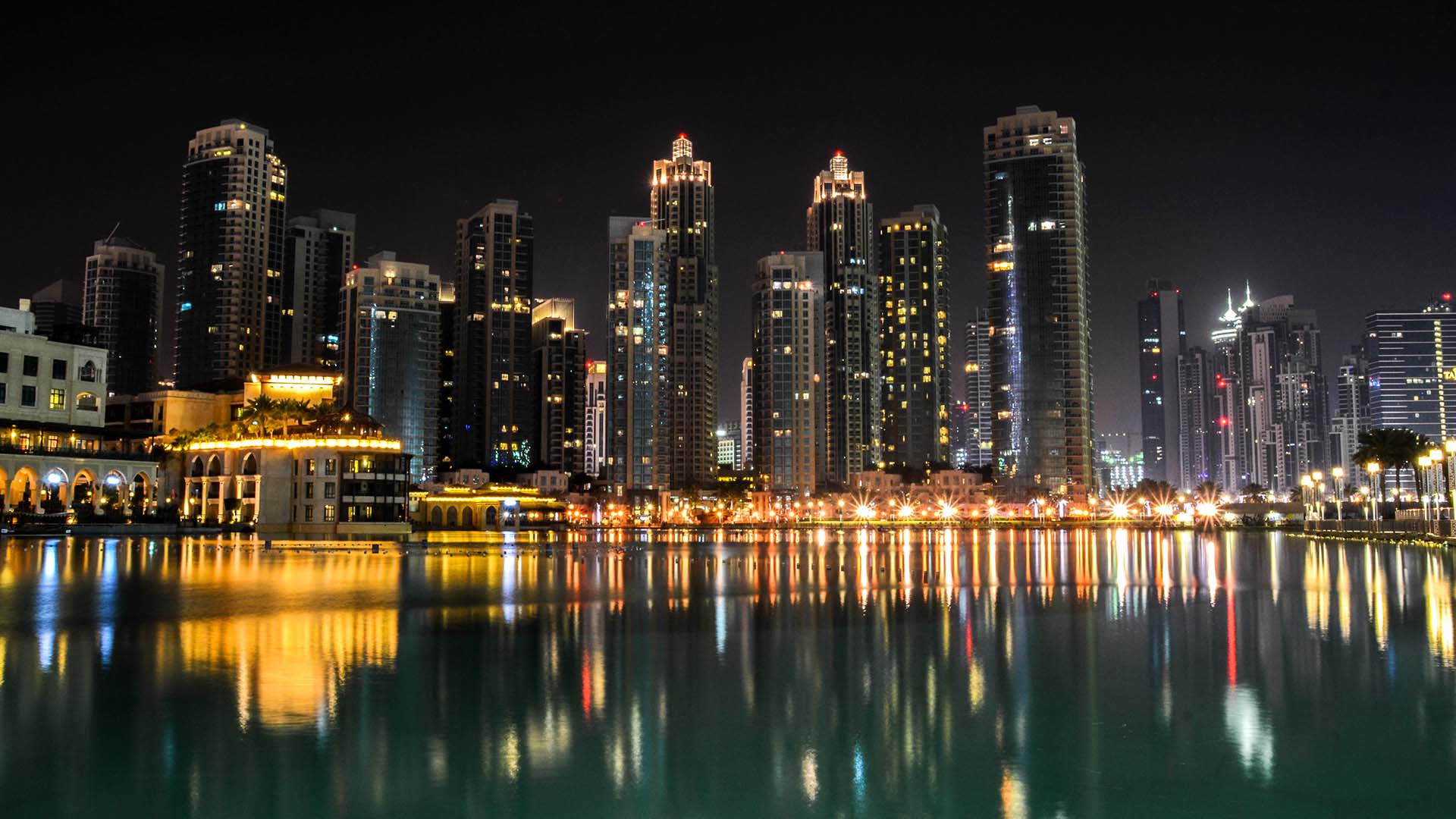
Asian financial centers are transforming Africa’s offshore sector.
As regulations become more stringent in traditional offshore havens like Switzerland, African elites and businesses are increasingly gravitating toward Asian financial centers such as Dubai, Singapore, and Hong Kong. A study from the University of Oxford highlights this emerging trend, indicating a significant shift in capital flows as the African continent experiences substantial annual financial losses.
Capital Flight and Its Economic Impact
The United Nations estimates that Africa loses over $88 billion annually due to capital flight, a figure underscored in the Oxford research. As traditional offshore centers tighten their scrutiny, Asian financial hubs are emerging as attractive alternatives, fostering rapid transnational connections for African wealth. This increasing preference for Asian financial markets is indicative of the evolving landscape of global finance, where the continents interact in new and complex ways.
The study, authored by Ricardo Soares de Oliveira, a political science professor at Sciences Po and a senior research fellow at Oxford, underscores a significant lack of research on this evolving dynamic. De Oliveira states that while some financial hubs are imposing stricter regulations, others are capitalizing on the opportunity to attract African funds. He asserts that there is ample supply to accommodate these demands, making it easier than ever for individuals to obscure their wealth.
Dubai: A Financial Haven for African Elites
Among these Asian financial centers, Dubai stands out. The emirate is notably entrenched in financial connections with Africa, featuring a substantial presence of Emirati firms across the continent, alongside its problematic reputation for facilitating illicit financial flows and money laundering. The Oxford study notes that Dubai ranks as the fourth-largest source of foreign direct investment into Africa, underscoring its significance in this realm.
Dubai’s allure for wealthy Africans can be attributed to several factors, including its geographic proximity, a well-developed infrastructure, and the attractive image it presents. The emirate has aggressively marketed itself to high-net-worth individuals through tax incentives, lenient regulations, and a culture of financial secrecy. This has drawn a considerable amount of capital that might otherwise have flowed into more traditional Western financial centers.
The report also highlights Dubai’s central role in facilitating money laundering, specifically through gold smuggling. In 2020, it was reported that Dubai accounted for approximately 95% of illegal gold trade originating from East and Central Africa. Once this gold reaches Dubai, it is combined with legitimate sources and exported to global markets, further entrenching the emirate’s role in illicit financial networks.
Singapore and Hong Kong: Emerging Players
While Dubai captures the spotlight, both Singapore and Hong Kong are also gaining prominence among African elites, albeit at a slower pace. According to the Oxford study, these two markets offer similar lax regulations, asset protection, and tax exemptions conducive to wealth concealment. As Chinese economic interests grow in Africa, Hong Kong has emerged as a pivotal gateway, providing companies access to the Chinese mainland.
However, the political landscape in Hong Kong, characterized by a slowing economy and increased governmental repression, is prompting some firms to reconsider their presence there. This shift benefits other offshore centers like Singapore, which maintains a strong reputation in structuring transactions and establishing shell companies that help African elites obscure their financial interests.
Interestingly, despite the migration of capital toward Asian centers, Western jurisdictions and firms play an integral role in the global offshore ecosystem. De Oliveira notes that tightening regulations in one area merely shifts business to more permissive regions, indicating a need for a cohesive, global approach to tackling the issue of illicit financial flows. Effective reforms must address this interconnected system, or risk allowing the cycle of capital flight to continue unabated.