
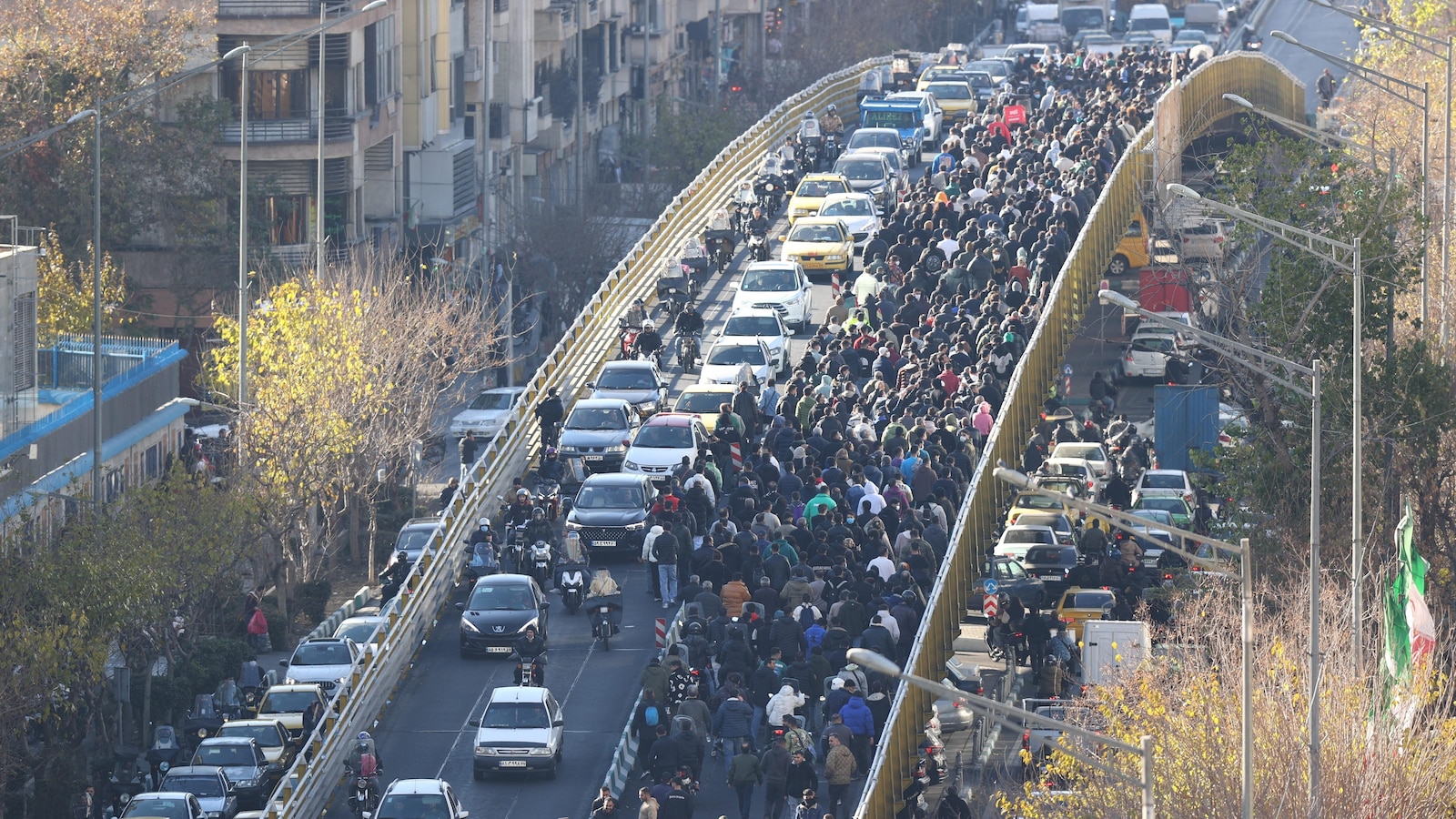
Seven fatalities reported amid escalating protests in Iran’s economic crisis.
Escalating Protests in Iran Highlight Economic Strain
Protests across Iran have intensified, fueled by growing dissatisfaction over the nation’s deteriorating economic conditions. Originating in urban centers, demonstrators are increasingly mobilizing in rural areas, leading to violent clashes that have resulted in fatalities among both security personnel and protestors. As the situation develops, it underscores the widespread discontent with the Iranian government’s handling of economic crises.
Rising Violence Amid Protests
The recent surge in protests has evolved into one of the most significant movements the country has witnessed since 2022, when the tragic death of Mahsa Amini in police custody ignited nationwide demonstrations. Although the unrest has not yet achieved the same intensity as the previous protests surrounding Amini’s death, the violence has spread across various regions. Reports indicate that at least seven individuals have lost their lives, including security forces and civilians, signaling a potential shift toward a more severe governmental crackdown.
The most intense clashes occurred in Azna, located in Lorestan province—approximately 300 kilometers from Tehran. Footage from the area captured scenes of chaos, showcasing fires burning in the streets along with the sounds of gunfire and defiant chants from protesters. Reports from semiofficial media channels suggest that at least three individuals have been killed there, yet the state-run news has been notably sparse in its coverage of the violence, reflecting the risks journalists face in reporting such events.
Geographical Spread of Unrest
In Lordegan, another city that experienced unrest, demonstrators gathered amid audible gunfire, implying a tense standoff between law enforcement and protestors. The Abdorrahman Boroumand Center for Human Rights confirmed two fatalities among demonstrators, further emphasizing the alarming nature of the situation. This city has a history of protests, as seen in 2019 when local residents reacted strongly to a health scandal involving contaminated medical supplies.
Fuladshahr, in Isfahan province, also saw violence as state media reported the death of a man during clashes with police. Activist groups assert that officers opened fire upon demonstrators, indicating a pattern of violent engagements that raises concerns about human rights abuses during these protests. Local authorities have attempted to address the unrest as the situation unfolds, with some suggesting that local grievances relate to economic pressures exacerbated by rampant inflation and currency devaluation.
Government Reaction and Ongoing Economic Challenges
Despite the turmoil, Iran’s reformist President Masoud Pezeshkian has signaled a willingness to negotiate with demonstrators, acknowledging the government’s limited ability to alleviate the economic crisis. The Iranian rial has drastically depreciated, rendering a single dollar worth approximately 1.4 million rials. This economic reality forms a substantial backdrop against which protests continue to evolve.
In response to the demonstrations, Iranian authorities have implemented several arrests and crackdowns, including detaining individuals labeled as monarchists and those affiliated with external groups. Furthermore, the Iranian government is attempting to manage perceptions of the unrest; by declaring public holidays, it aims to dissuade protests from escalating further. However, this strategy has mostly backfired as disaffected groups voice their frustration against the ruling theocracy, revealing cracks in the government’s grip on power.
As these events unfold, the international community is watching closely, recognizing that the socio-economic turmoil may have broader implications for regional stability and security. In a complicated geopolitical landscape marked by ongoing tensions, the situation in Iran could potentially reshape diplomatic dynamics both within the Middle East and beyond.