
MENA and Africa’s AgTech Focus at World Agri-Tech Dubai
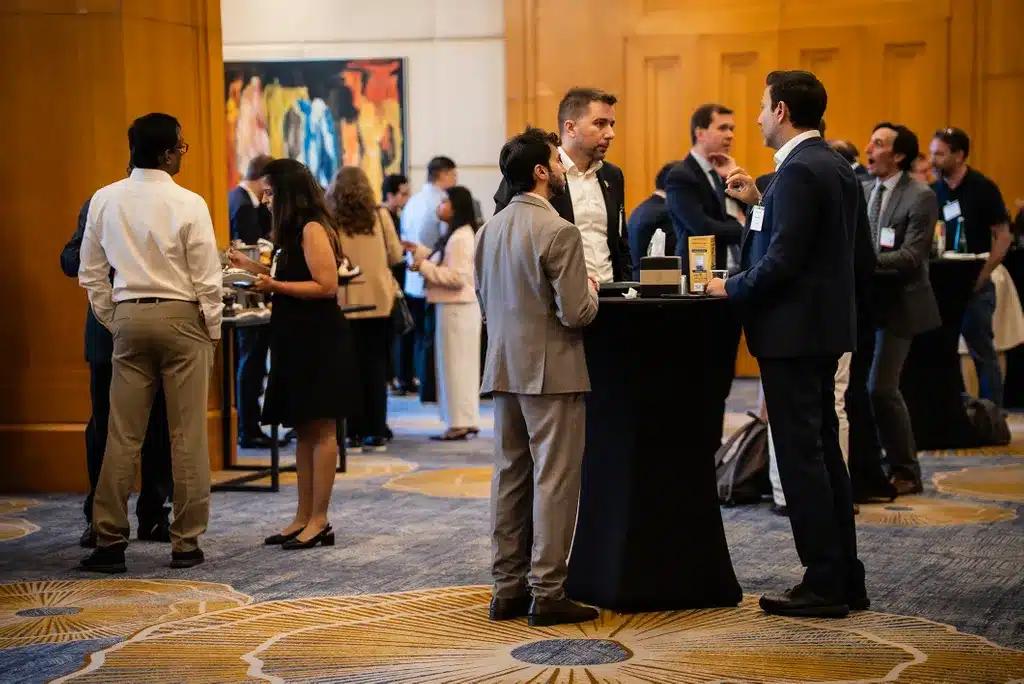
World Agri-Tech Dubai recently gathered a diverse assembly of policymakers, investors, corporations, researchers, and startups from the Middle East, Africa, and beyond. Over the course of two days, the event focused on critical themes like food security, climate adaptability, and enhanced collaboration within the region. A notable emphasis was placed on regenerative agriculture as a viable approach for improving sustainability in arid landscapes. Additionally, discussions highlighted advancements in controlled environment agriculture and vertical farming, recognizing their growing significance in the industry.
The conference, while smaller than its San Francisco counterpart, provided an insightful look into the aspirations and developments in the regional AgTech sector. Attendees engaged in meaningful dialogue about tackling pressing issues such as climate change, water scarcity, and supply chain challenges that are altering food systems in these often harsh environments. The two-day agenda featured a range of sessions aimed at developing effective national strategies for food security, exploring avenues for collaboration among local countries, and pinpointing the role of technological innovation in establishing robust agricultural frameworks.
One of the recurrent themes among speakers was the necessity of adapting agricultural practices to suit the specific conditions of arid and semi-arid regions. Regenerative agriculture emerged as a key topic due to its potential to revitalize soil health, enhance biodiversity, and improve resilience to climate fluctuations. This approach not only addresses immediate agricultural concerns but also fosters long-term sustainability by minimizing the environmental footprint of farming activities.
Moreover, the discussions included a significant focus on controlled environment agriculture and vertical farming as promising solutions. These methods allow for the cultivation of crops in environments that can be carefully regulated for optimal growth, which is especially critical in areas where traditional farming practices may fall short due to climatic constraints. As technological advancements continue to evolve, these innovative strategies can play a pivotal role in ensuring food security and enhancing resilience against external pressures such as climate change.
In summary, World Agri-Tech Dubai offered a comprehensive platform for stakeholders to explore and share insights into the future of agriculture in challenging environments. By prioritizing regional collaboration and innovation, participants collectively considered how to navigate the complexities of food systems while paving the way for a more secure and sustainable agricultural landscape. This event underscored the importance of uniting diverse perspectives to address the pressing challenges faced by the agricultural sector in arid and semi-arid regions, positioning the region for a resilient future.