
Dubai’s Economy Contracts 2.3% in First Half of 2026 Due to War
Dubai’s economy has recently experienced a notable downturn, reflecting the impact of geopolitical tensions in the region. The emirate’s real Gross Domestic Product (GDP) declined by 2.3% year-on-year in the first half of 2026, totaling approximately AED473 billion (about $128.8 billion). This downturn can be largely attributed to the ongoing conflict in the Middle East, which has adversely affected trade and overall economic stability.
Factors Contributing to Economic Challenges
The escalating war in the Middle East is a significant factor contributing to Dubai’s economic difficulties. The conflict has disrupted trade routes and diminished investor confidence, altering the landscape of international commerce. As a vital hub for trade and business, any disruption in regional stability can have far-reaching effects on Dubai’s economy.
Additionally, the fallout from the conflict has led to decreased tourism and reduced foreign investments, both of which are critical to Dubai’s economic robustness. The tourism sector, which contributes substantially to the emirate’s GDP, has been particularly hard-hit as tensions deter international travelers. Moreover, businesses are hesitant to invest amid uncertainty, stalling potential growth opportunities.
Sector-Specific Impacts
Different sectors in Dubai’s economy are feeling the impact of this decline. The retail industry, for instance, is experiencing a downturn due to decreased foot traffic from foreign visitors and residents alike. Shopping malls, once bustling with activity, have seen a noticeable drop in patronage, which in turn affects local businesses reliant on tourism.
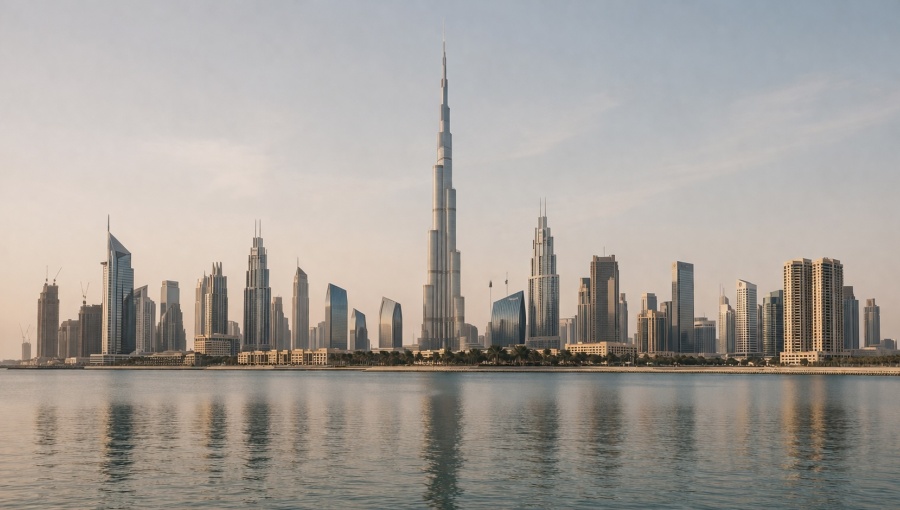
The real estate sector is also showing signs of strain. While Dubai has long been known for its impressive skyline and thriving property market, the current climate has led to slowed sales and a potential decrease in property values. Many developers are reassessing their plans, with some choosing to postpone or scale back projects as they navigate the uncertain market conditions.
Government Initiatives and Future Outlook
In response to the economic challenges, the Dubai government is taking proactive measures to stimulate growth and rebuild investor confidence. Initiatives aimed at bolstering tourism, such as promotional campaigns and partnerships with international airlines, aim to attract visitors back to the emirate. Furthermore, policymakers are considering various economic reforms to encourage foreign investment and support local businesses.
Looking ahead, the recovery of Dubai’s economy will largely depend on the resolution of geopolitical tensions in the region. If stability can be restored, it could pave the way for a resurgence in trade, tourism, and investment. Business analysts remain cautiously optimistic, suggesting that Dubai’s resilience and adaptability will ultimately help it bounce back from this setback.
In conclusion, while Dubai faces substantial economic challenges triggered by external conflicts, its strategic initiatives may help mitigate the impacts over time. The emirate’s adaptability, combined with a proactive governmental approach, points toward a potential recovery, emphasizing Dubai’s enduring significance as a global business hub.