
Dubai’s Fourth Corridor to Aid Residents of Remote Neighborhoods
For residents of Dubai’s outer communities, the daily struggle with lengthy commutes has become a common challenge. From school drop-offs to office trips, long travel times significantly impact their lives. However, many believe the anticipated Fourth Corridor may bring much-needed relief to these areas—improving connectivity and reducing travel times for everyone involved.
The Impact of the Fourth Corridor
This new 80-kilometer road project, recently approved by Dubai Crown Prince Sheikh Hamdan bin Mohammed bin Rashid Al Maktoum, is set to become the fourth major artery connecting the emirate. Existing routes like Sheikh Zayed Road, Sheikh Mohammed bin Zayed Road, and Emirates Road have long dominated travel in the region. The Fourth Corridor’s construction holds promise for easing congestion and streamlining access across the city, particularly for those residing in more remote neighborhoods.
Residents like Damien Dexter Goveas, a 17-year-old student and long-time resident of Damac Hills 2, share positive expectations for the corridor. “Traveling anywhere in the city takes at least 45 minutes,” he noted, lamenting the inconvenient connectivity. Goveas anticipates that the new road will significantly reduce his commuting time to school and improve connections to other parts of the emirate, from downtown activities to his educational commitments in Al Twar.
Real Estate Developments and Property Value
The Fourth Corridor is also expected to boost property values in the surrounding areas. Muhammad, a homeowner in The Valley, expressed initial concerns about the distance from central Dubai. However, after assessing the potential benefits of the completed project in tandem with the Dubai 2040 Urban Master Plan, he feels more confident in his investment. This comprehensive plan aims to enhance accessibility and sustainability across Dubai, making long-term residence in outer communities more appealing.
With a proposed addition of a lane between Emirates Road and Lehbab Road, the journey will become smoother and faster. “This project will also yield quick access to Al Maktoum Airport, Abu Dhabi, Sharjah, and beyond,” Muhammad explained. He believes that improved connectivity will elevate the desirability of properties in the region and transform travel from a drawback into a strong selling point.
The Future of Transportation in Dubai
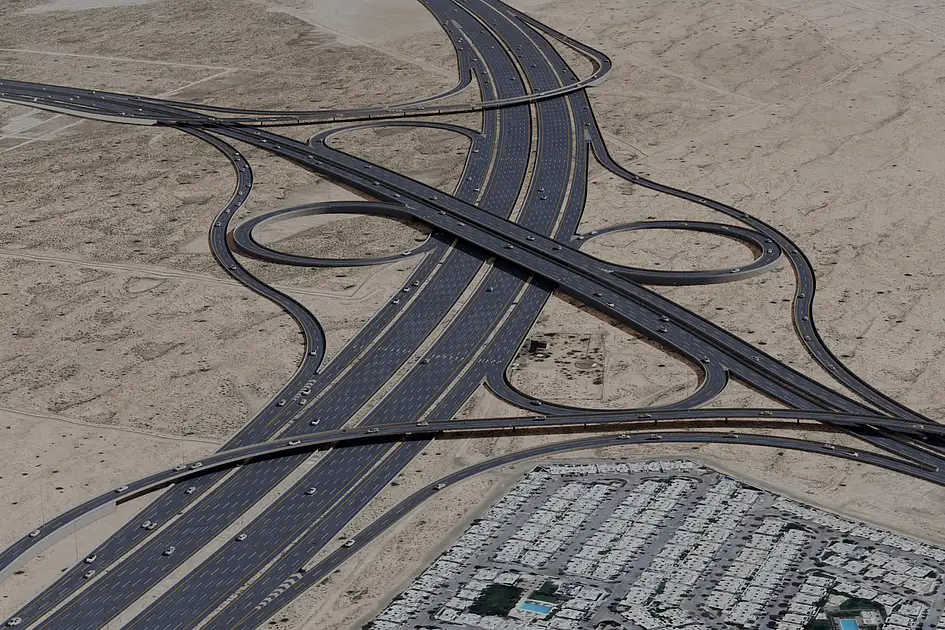
Planning for Phase One of the corridor includes approximately 30 kilometers stretching from Al Shanouf Road in Sharjah to Dubai–Al Ain Road at an investment of around Dh3.5 billion. Phase Two will extend the road by another 50 kilometers to Al Faya Road in Abu Dhabi. With features such as 12 lanes, 72 bridges, and 17 tunnels, the highway is designed to accommodate up to 24,000 vehicles per hour. Notably, it will also connect to prominent transport hubs like Al Maktoum International Airport and the Etihad Rail network.
Experts like Joseph Salem from Arthur D. Little Middle East commend the project as a vital step toward integrated infrastructure planning. “Dubai shows foresight in establishing a transport network that works in harmony rather than as a patchwork of fixes,” he noted. This approach not only addresses current traffic issues but also anticipates future growth in population and economic activity.
In addition to easing car travel, residents like Goveas hope that the completion of the Fourth Corridor will spur improvements to public transport options. With limited transit services currently available, Goveas expressed hopes for the introduction of efficient bus routes connected to key transport nodes. An expanded public transit system could substantially enhance the quality of life for residents in Dubai’s outer communities, making travel more affordable and accessible for everyone.