
Dubai Municipality Quickly Tests Quality of Cooking Oils in Two Minutes
Automated testing has revolutionized quality assessment in laboratories, enhancing efficiency and capacity by a remarkable 900%. This breakthrough allows testing capabilities to expand from just six samples to an impressive 60 samples each day.
Enhanced Efficiency in Oil and Fat Testing
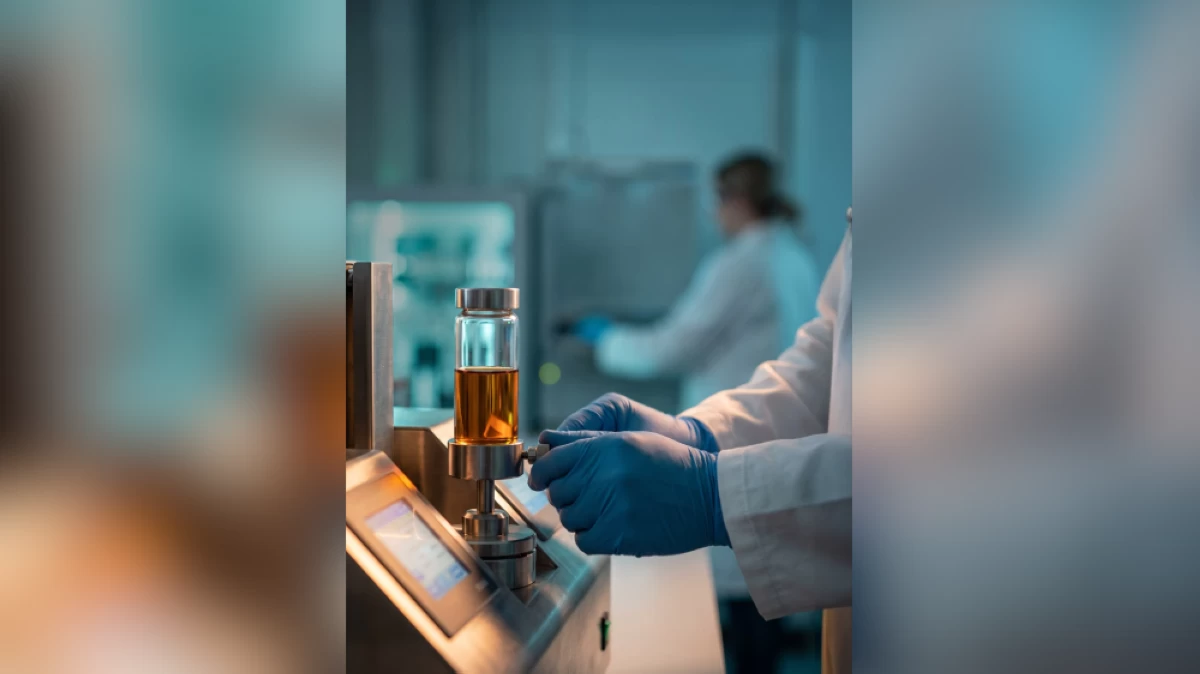
Dubai’s Central Laboratory, under the auspices of the Dubai Municipality, has recently implemented cutting-edge automated technology for analyzing oils and fats. This innovation has dramatically reduced testing durations from two hours to a mere two minutes. This leap in speed not only boosts the laboratory’s productivity but ensures a swift and reliable examination process that is free from human error. As a result, the lab can effectively monitor and detect early indicators of oil quality and oxidation, crucial for maintaining safety during processing and storage.
Significant Capacity Increase for Laboratories
The introduction of automated testing technology marks a substantial evolutionary step in the assessment of oil and fat quality. By synthesizing complex data and automating result generation, the technology optimizes the sampling process, thereby escalating daily output significantly. This increase from six to sixty samples per day enables the Dubai Central Laboratory to manage a larger volume of tasks more adeptly, thus improving response times and overall efficiency.
Environmentally Friendly Testing Practices
The new technology not only enhances the laboratory’s operational capacity but also aligns with sustainable practices. Traditional testing methods often rely on chemical consumables, leading to unnecessary waste and environmental concerns. In contrast, the automated approach minimizes these chemical requirements, resulting in a more resource-efficient operation. This shift not only meets international accuracy and reliability standards but also significantly mitigates the laboratory’s ecological footprint.
Supporting Food Safety and Consumer Confidence
Eng. Hind Mahmoud Ahmed, the Director of Dubai Central Laboratory, highlighted the significance of this technological adoption in advancing the laboratory’s testing capabilities. She emphasized that this innovation not only accelerates laboratory workflows but also maintains rigorous standards necessary for ensuring food safety and consumer protection. By enabling faster analysis and increasing testing volume, the laboratory is better equipped to respond swiftly to evolving dynamics in the food manufacturing sector.
Moreover, the implementation of such technology fosters a stronger sense of consumer confidence in the safety and quality of food products available in Dubai. With enhanced capabilities, regulatory authorities can identify potential quality concerns more swiftly, ensuring compliance with internationally approved standards and specifications.
In conclusion, Dubai Central Laboratory is committed to refining its technical capabilities through ongoing investments in innovative technology that enhances accuracy, efficiency, and sustainability. These transformative strides contribute significantly to consumer protection and ensure the highest quality and safety standards for products available in Dubai.