
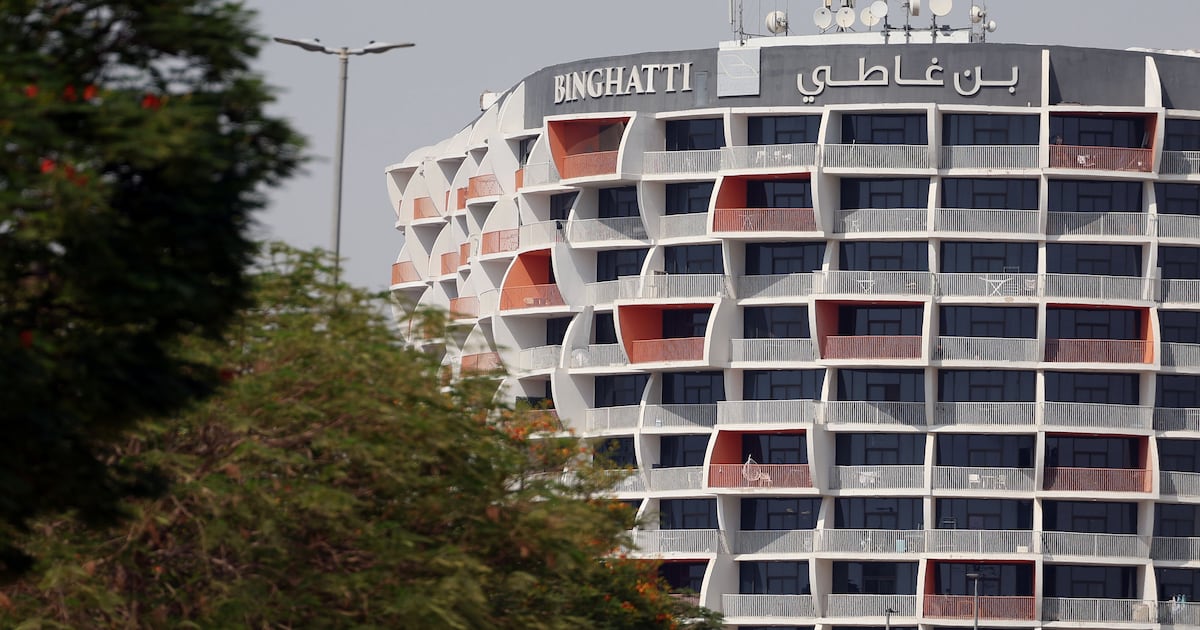
Moody’s Evaluates Downgrading Binghatti Ratings Due to Iran Conflict
The real estate sector is experiencing significant challenges, particularly for developers attempting to keep up with sales and manage cash flows effectively. In a market characterized by shifting demands and economic fluctuations, these hurdles can profoundly impact a developer’s sustainability and growth.
Challenges in Real Estate Development
The real estate market has become increasingly competitive, making it hard for developers to maintain steady sales. Economic uncertainties, changing consumer preferences, and rising interest rates all contribute to an environment where potential buyers are hesitant to invest. As a result, many developers find themselves grappling with reduced cash flows, limiting their ability to fund new projects or sustain ongoing operations. The need for a strong marketing strategy and understanding of market trends is more crucial than ever, as developers seek to navigate this complex landscape.
Impact on Financial Stability
Maintaining financial stability during turbulent times is essential for any developer. The inability to secure consistent sales can lead to increased debt levels, making it harder for businesses to invest in opportunities that might arise. Failure to generate sufficient cash flow can hamper operational capabilities, forcing developers to re-evaluate their existing projects or scale back. Companies that have not established a financial cushion are often the hardest hit, as the volatility can quickly erode their resources.
Strategies for Adaptation
To successfully weather the storm, developers must adopt innovative strategies that align with current market conditions. This might include diversifying their portfolios to include more residential or rental properties, appealing to a broader range of consumers. Additionally, leveraging technology for enhanced marketing efforts can improve visibility and reach, ultimately facilitating sales. Understanding buyer expectations and integrating sustainable practices can also create a competitive advantage, drawing customers who value eco-friendly living spaces.
The Importance of Market Analysis
A thorough market analysis allows developers to stay ahead of trends and anticipate shifts in consumer demand. This involves not only examining current market conditions but also predicting future trends based on economic indicators. By staying informed, developers can make necessary adjustments to their offerings, ensuring they meet evolving buyer preferences. Furthermore, regular assessments can help identify potential pitfalls early, allowing for proactive measures to mitigate financial risks.
In summary, the real estate development industry is navigating a challenging landscape, marked by fluctuating sales and cash flow issues. By implementing effective strategies and conducting thorough market analyses, developers can better position themselves for success, ultimately thriving despite the obstacles ahead. For those in the field, adapting to these changes is not just an option—it’s a necessity for long-term viability.