
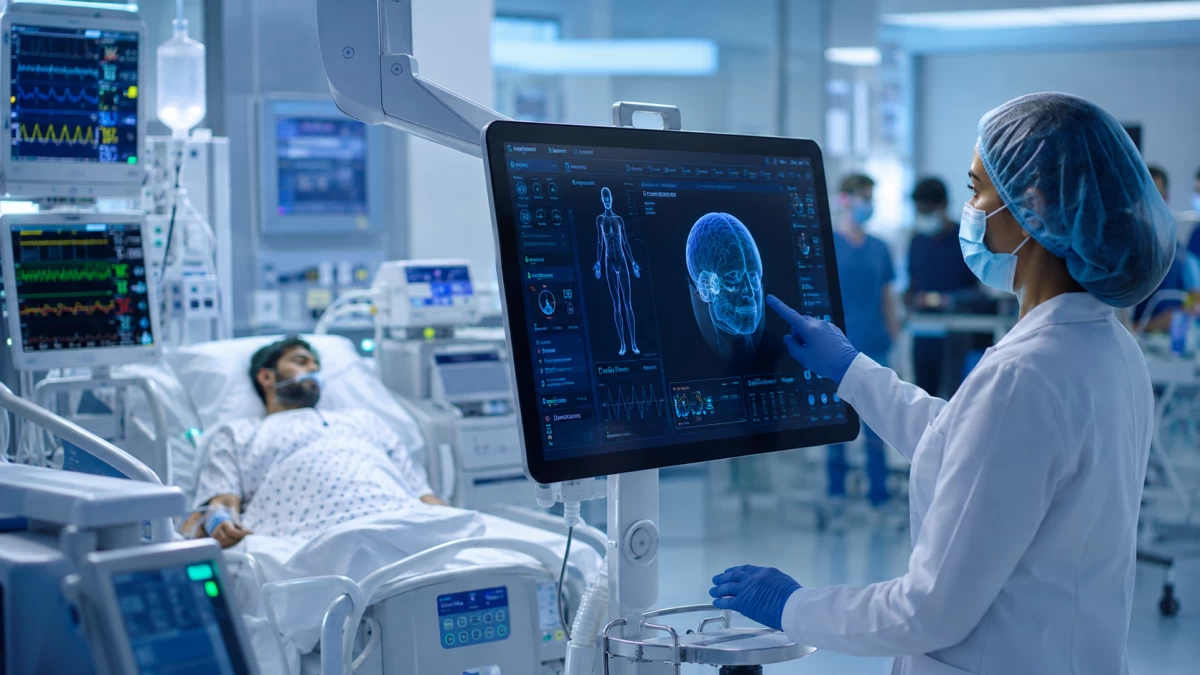
Smart tech and algorithms drive UAE healthcare’s digital shift.
Abu Dhabi is at the forefront of a transformative shift in healthcare, deploying cutting-edge digital tools that reshape patient care. By leveraging advanced algorithms and smart technology, the UAE’s healthcare system is striving to enhance operational efficiency, refine diagnostic processes, and elevate critical-care responses. This progressive digital ecosystem not only improves patient outcomes but also integrates technology to create a more responsive healthcare model.
Innovative Tools in Abu Dhabi’s Healthcare Facilities
Cleveland Clinic Abu Dhabi exemplifies the utilization of advanced digital tools in its medical practices. The facility employs Transpara, a sophisticated technology that analyzes digital mammograms to swiftly identify potential abnormalities before a clinician’s review. In emergency scenarios, the AI-powered ARTIS Icono 3D imaging system plays a vital role in supporting stroke interventions. Additionally, intelligent radiotherapy planning software adjusts cancer treatment doses in real-time, ensuring the safety of healthy tissues during therapy.
Sheikh Shakhbout Medical City takes patient care a step further by offering smart inpatient rooms equipped with contactless sensors to monitor vital signs and predict fall risks. The hospital also features the mobiCARE device, which allows for continuous ECG monitoring and real-time data transmission, enhancing the speed and accuracy of medical responses.
Advanced Technologies Across Various Healthcare Institutes
In a proactive approach to sepsis management, both Sheikh Khalifa Medical City and Al Ain Hospital have adopted advanced algorithms and smart alert systems that can detect the risk of septic shock hours ahead of actual onset. This capability enables healthcare providers to initiate timely clinical interventions, significantly reducing patient complications. Furthermore, Al Dhafra Hospitals utilize connected digital diagnostic kits that stream live audio and video to remote consultants, while Corniche Hospital implements wireless fetal monitoring systems and early-warning algorithms for managing pregnancy complications.
Tawam Hospital in Al Ain employs innovative Histotripsy technology, a non-invasive method that uses focused acoustic waves to treat liver tumors, enhancing patient safety and reducing recovery time. This reflects a broader trend within the UAE to incorporate technologies that prioritize patient well-being.
Digital Health Initiatives Across the UAE
Across the emirates, digital health implementations continue to flourish. In Dubai, Rashid Hospital and Dubai Hospital are integrating wireless patient-monitoring networks and intelligent triage software that streamlines emergency care processes, leading to shorter wait times. Al Jalila Children’s Specialty Hospital is also enhancing pediatric care through algorithm-assisted digital EEG devices, which can forecast epileptic seizures before they occur.
In Sharjah, healthcare facilities are utilizing computer vision solutions in operating theatres and intensive care units, ensuring high safety standards. Hospitals like Khorfakkan and Kalba are adopting wireless fetal monitoring systems, alongside digital tools for accurate vital-sign tracking. Meanwhile, in Ajman, Sheikh Khalifa bin Zayed Hospital is focused on preventing bedsores through digital screening equipment and smart beds equipped with sensors.
Umm Al Qaiwain’s Sheikh Khalifa General Hospital is embracing smart software in its dialysis and intensive care services, facilitated by wearable patches that monitor vital signs. Ras Al Khaimah’s Saqr Hospital leverages wireless monitoring networks, while Fujairah Government Hospital utilizes digital imaging capsules for non-invasive gastrointestinal examinations.
These developments reflect the UAE’s commitment to building an integrated, future-ready healthcare system. By harnessing the power of digital innovation, the nation aims to enhance efficiency, improve patient outcomes, and provide faster, more precise, and proactive care across its extensive healthcare network.